
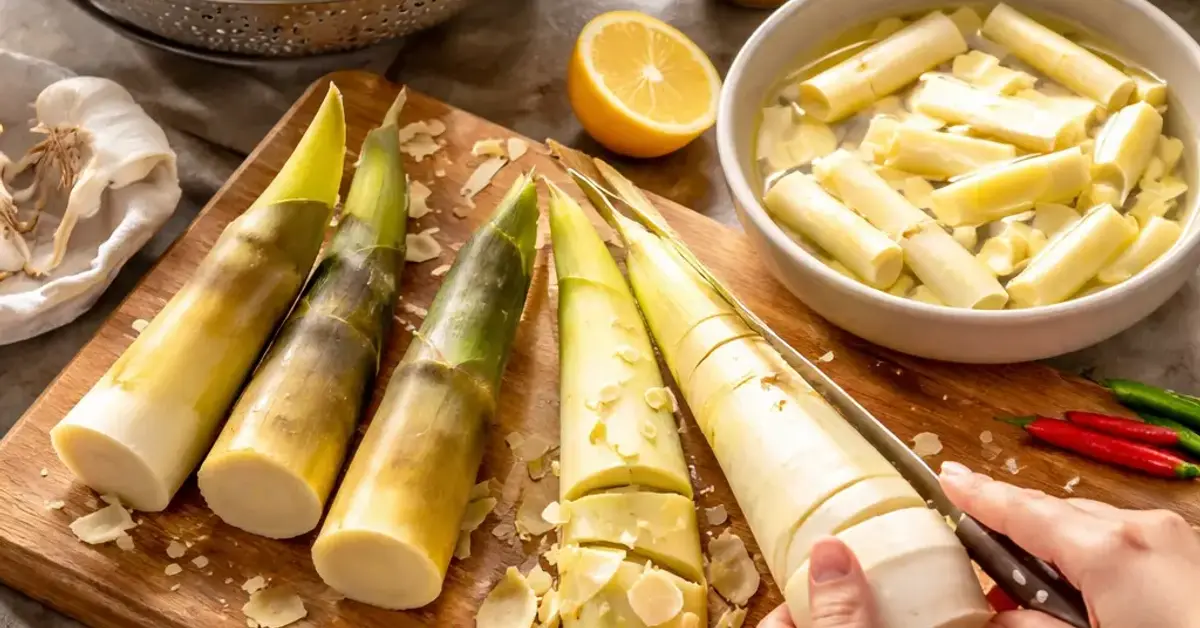
Rebung prepping guide Key Takeaways
Rebung —young bamboo shoots—are a delicious, crunchy ingredient in many Asian dishes, but they require proper handling to remove bitterness and toxins.
- Wear gloves when handling raw rebung to avoid skin irritation from natural compounds.
- Always boil rebung thoroughly to neutralize hydrocyanic acid and soften the texture.
- Soak boiled shoots in cold water to preserve crunch and remove any residual bitterness.
What Exactly Is Rebung and Why Does Prepping Matter?
Rebung is the Indonesian and Malay word for young bamboo shoots that have just emerged from the ground. They are prized in Southeast Asian cooking for their crisp texture and ability to soak up flavors in curries, stir-fries, and soups. But here’s the catch: raw rebung contains compounds that can be toxic if not handled correctly. A little upfront effort with how to peel rebung and boil it makes all the difference between a tender, tasty ingredient and a bitter, unsafe one. For a related guide, see 10 Rebung Mistakes to Avoid (And How to Fix Each One).
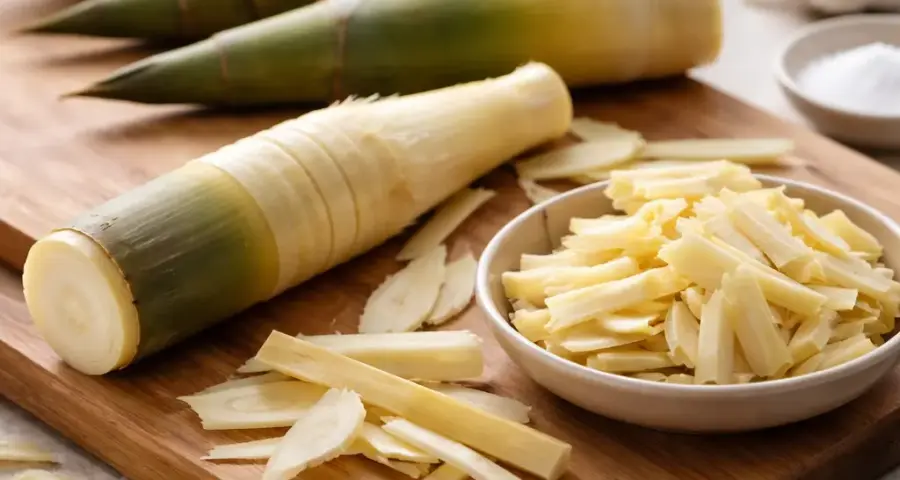
What You’ll Need Before You Start Prepping Bamboo Shoots
Before diving into the steps, gather a few tools and ingredients. This rebung prepping guide assumes you have fresh shoots, but the same method works for store-bought ones.
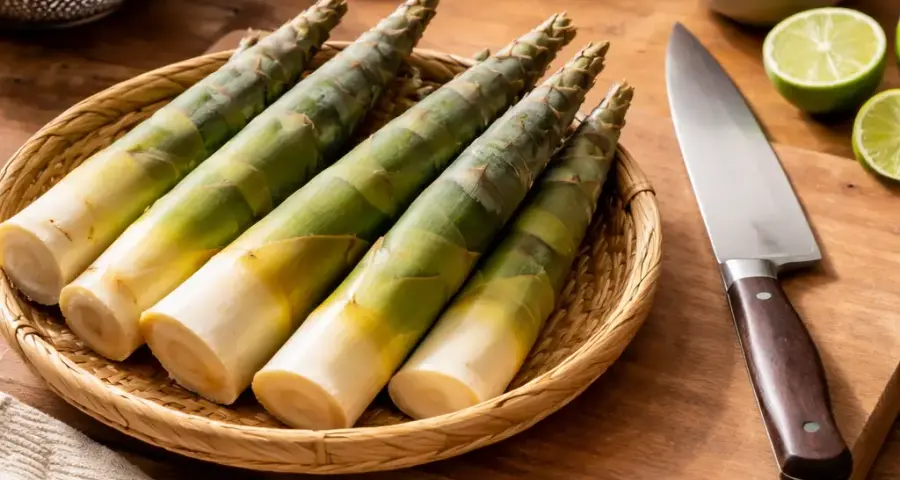
- Fresh rebung (look for firm, tightly wrapped shoots with no soft spots)
- Sharp chef’s knife or cleaver
- Cutting board (preferably plastic or bamboo—avoid wood for easy cleanup)
- Large pot for boiling
- Kitchen gloves (highly recommended)
- Cold water and salt (optional)
Step-by-Step: How to Peel Rebung Like a Pro
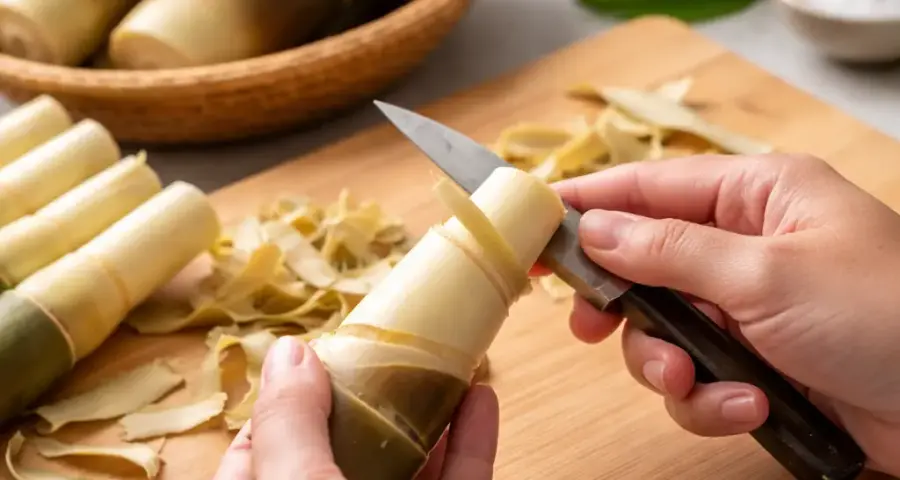
Step 1: Remove the Outer Layers by Hand
Start by pulling off the tough, fibrous outer husks. They resemble thick cabbage leaves but are much tougher. Peel away layer by layer until you reach the pale, tender inner shoot. If you hit resistance, use a knife to make a shallow cut lengthwise and then peel. For first-time cook rebung, it helps to work over a garbage bowl—those husks pile up fast.
Step 2: Trim the Base and Tip
Cut off about 1–2 cm from the very bottom of the shoot—it’s often woody and bitter. Also slice off the top tip where the leaves taper to a point. What remains is the edible core, which should feel firm but not rock-hard.
Step 3: Slice or Halve Depending on Your Recipe
Now decide how you’ll use the rebung. For stir-fries, slice it into thin matchsticks. For curries or stews, cut it into bite-sized chunks or wedges. The thinner the cut, the faster it cooks and the more surface area there is to absorb seasoning. If you’re unsure, keep pieces uniform so they cook evenly.
Boiling: The Non-Negotiable Step in Prepping Bamboo Shoots
Boiling is where the magic—and safety—happens. Raw rebung contains taxiphyllin, a cyanogenic glycoside that breaks down into toxic hydrogen cyanide when ingested. Don’t panic: a proper boil neutralizes it completely. This is the most critical part of any rebung prepping guide.
How to Boil Rebung Correctly
Place the peeled and cut shoots in a large pot and cover them with cold water. Add a teaspoon of salt per liter of water—this helps draw out bitterness. Bring to a rolling boil, then reduce to a simmer. Let them cook for 15–20 minutes, depending on thickness. Drain the water (do not reuse it—it contains toxins) and rinse the shoots with cold water. You can repeat this step if you prefer a milder flavor.
How to Test for Doneness
Pierce a piece with a fork or knife tip. It should slide in easily with slight resistance, like a tender carrot. If it feels crunchy or squeaky against your teeth, it needs more time.
Common Mistakes First-Time Cooks Make When Prepping Rebung
Skipping the Gloves
The fuzzy hairs on raw bamboo shoots contain silica crystals that can cause itching or a mild rash. Gloves are cheap insurance against an uncomfortable evening.
Not Boiling Long Enough
A quick blanch isn’t enough. Undercooked rebung can cause digestive upset and tastes intensely bitter. Stick to the 15–20 minute simmer.
Using the Boiling Water for Soup
Tempting as it is to save that flavorful liquid, never reuse the first boil water. It contains water-soluble toxins. Always drain and rinse.
Storing Prepped Rebung for Later Use
Boiled rebung keeps in the fridge for up to five days when submerged in fresh cold water (change the water daily). For longer storage, freeze the boiled shoots in an airtight container—they’ll keep for three months. Thaw overnight in the fridge before using. This makes prepping bamboo shoots in bulk a smart time-saver. For a related guide, see Avoid This Mistake: 5 Best Ways to Store Fresh Rebung Without a Fridge.
Useful Resources
For more detailed food science on cyanogenic glycosides in bamboo shoots, the World Health Organization’s guide on reducing cyanide in food is an authoritative source. If you want to explore traditional Southeast Asian recipes using bamboo shoots, check out SBS Food’s how-to prepare bamboo shoots article for inspiration and cultural context.
Frequently Asked Questions About Rebung prepping guide
Do I really need to wear gloves when handling fresh rebung ?
Yes. The outer husk has fine silica hairs that can cause skin irritation. Gloves prevent itching and redness.
Can I eat bamboo shoots raw?
No. Raw bamboo shoots contain toxins that must be broken down by heat. Always boil them before eating.
Why does my boiled rebung still taste bitter?
Bitterness usually means insufficient boiling or old shoots. Try slicing thinner and boiling for an additional 10 minutes.
How long should I boil rebung for?
Typically 15–20 minutes after reaching a boil. Thicker pieces may need up to 25 minutes.
Can I season the water when boiling rebung ?
Yes, adding salt helps reduce bitterness. Avoid strong spices in the first boil—they won’t penetrate enough.
Is it safe to reuse the boiling water?
No. The water contains dissolved cyanogenic compounds. Always discard it.
How do I know if rebung is fresh?
Look for firm, tightly layered husks without discoloration or sliminess. Fresh shoots feel heavy for their size.
Can I freeze boiled rebung ?
Yes. Drain and pack boiled shoots in airtight containers. They keep for up to three months.
Should I peel the entire shoot down to the core?
Yes, remove all fibrous outer layers until you reach the pale, tender center. Any tough green parts remain bitter.
Can I use frozen rebung directly in a stir-fry?
Thaw them first in the refrigerator overnight. Frozen shoots release water and may make your dish soggy if added straight.
What dishes use rebung most often?
Indonesian sayur lodeh, Thai bamboo shoot curry, Filipino ginataang labong, and Chinese stir-fries are common.
Is there a difference between young and mature bamboo shoots?
Yes. Young shoots (rebung) are tender and milder. Mature shoots are woody and require much longer cooking.
Do I need to soak rebung after boiling?
Soaking in cold water for 10–15 minutes after boiling helps stop the cooking process and maintains crunch.
Can I can or jar boiled rebung ?
Home canning is not recommended due to the risk of botulism. Stick to refrigeration or freezing.
What does rebung smell like while cooking?
It has a distinct earthy, slightly sweet aroma. If it smells sour or pungent, the shoots may be spoiled.
Can I peel rebung ahead of time?
Peeled raw rebung discolors quickly. Peel just before boiling, or store peeled shoots in acidulated water for a few hours.
Are canned bamboo shoots a good substitute?
Yes, they are pre-cooked and safe to eat directly. Rinse them to remove brine before using.
How do I cut rebung for soup?
Slice into thin rounds or half-moons about 0.5 cm thick. This allows them to cook quickly and blend into broth.
Can I use a vegetable peeler on rebung ?
Not effectively. The tough outer layers require a knife or manual peeling—a peeler will break or slip.
What if my hands still itch even after wearing gloves?
Wash your hands immediately with soap and cool water. Apply a mild hydrocortisone cream if irritation persists.