
rebung storage guide Key Takeaways
A smart rebung storage guide helps you decide whether to keep fresh bamboo shoots, open a can, stash some in the freezer, or use dried strips — each form suits different recipes, timelines, and flavor profiles.
- Fresh rebung offers the best crunch and flavor but needs immediate use or proper blanching; this rebung storage guide explains the steps to keep it at peak quality.
- Canned bamboo shoots are convenient and shelf-stable, ideal for quick curries and stir-fries, though they lose some original texture.
- Frozen rebung preserves taste well for months if blanched correctly, making it a smart middle-ground option for regular cooks.
What This Rebung Storage Guide Covers
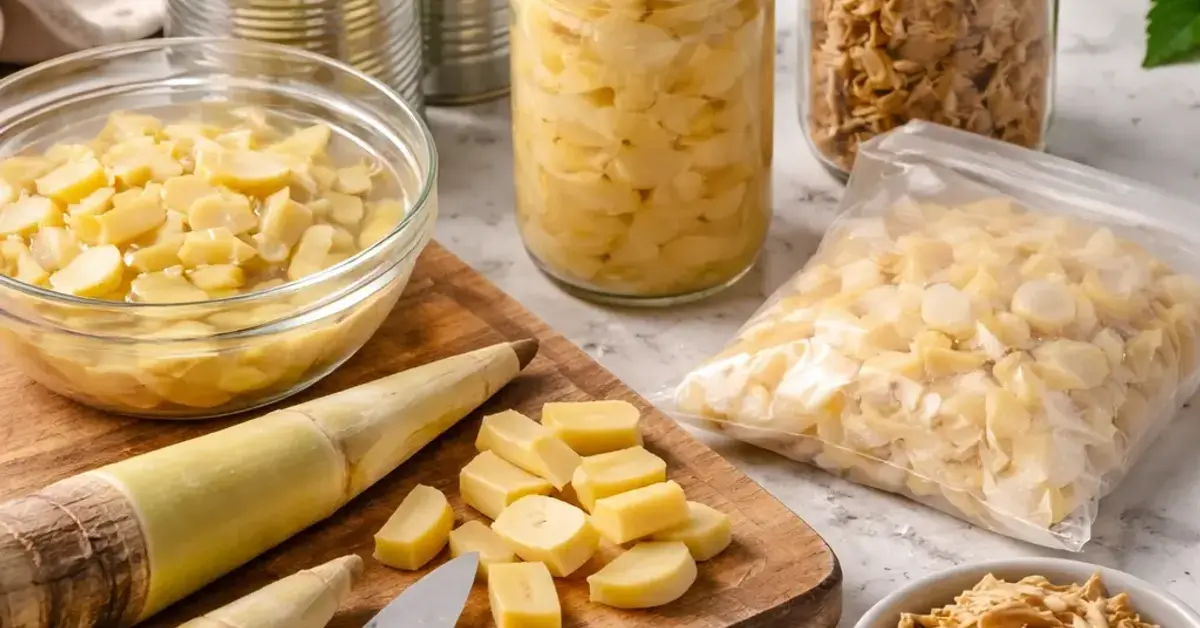
Bamboo shoots, known as rebung in many Southeast Asian kitchens, are a versatile ingredient that appears in curries, stir-fries, soups, and pickles. The form you choose — fresh, canned, frozen, or dried — directly influences your cooking flexibility, prep time, and final dish. This rebung storage guide walks you through the characteristics of each form, weighs pros and cons, and provides a quick decision table to match your needs. You will also learn practical tips for extending shelf life and preserving the delicate, grassy flavor that makes rebung special. For a related guide, see 7 Easy Ways to Store Fresh Rebung Without a Fridge.
Fresh Rebung: Peak Flavor With a Short Window
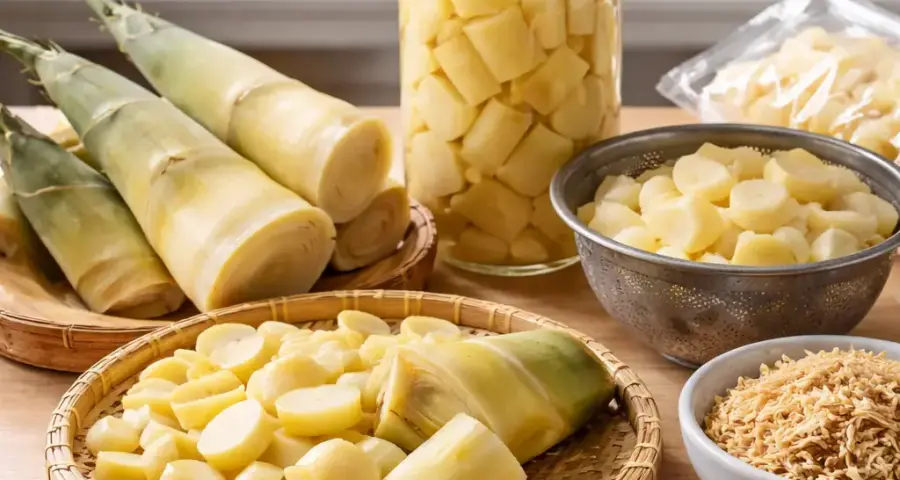
Fresh bamboo shoots are prized for their crisp texture and mild, nutty taste. However, they require immediate attention after harvest or purchase. If left at room temperature, fresh rebung can turn bitter, tough, and spoil within a few days.
How to Store Fresh Rebung
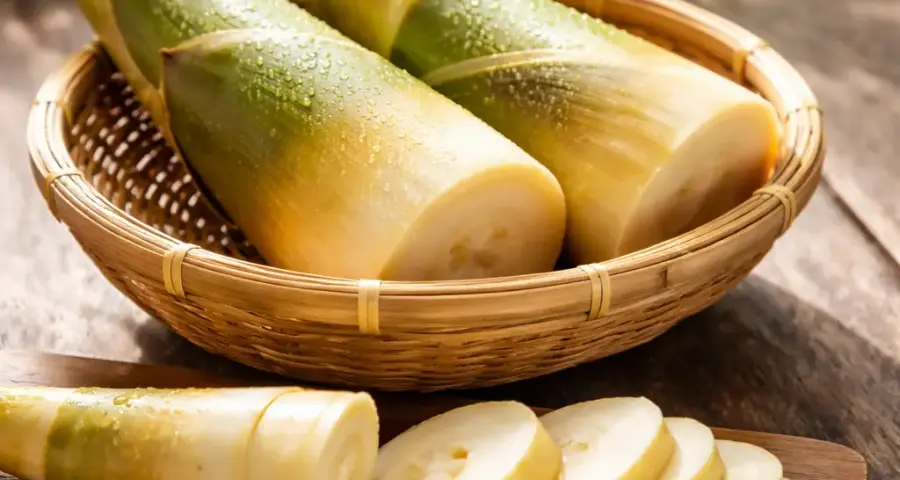
First, remove the outer leaves and trim the base. Blanch the shoots in boiling water for 10–15 minutes to neutralise natural toxins and reduce bitterness. After blanching, plunge them into ice water to stop cooking. Pat dry, then wrap in a damp paper towel and place inside a perforated plastic bag in the refrigerator. Stored this way, fresh rebung stays good for up to one week.
Pros and Cons of Fresh Rebung
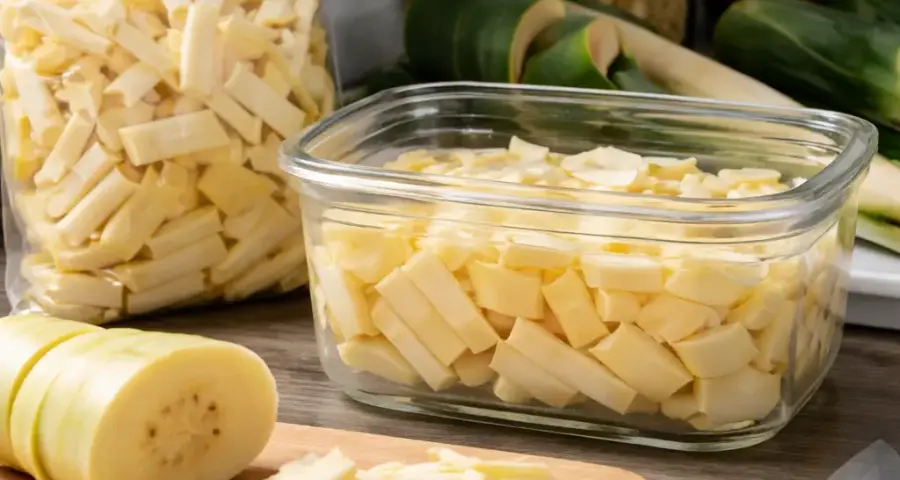
Pros: Superior crunch, pure bamboo flavour, no additives, and the ability to control texture by adjusting cooking time. Cons: Short shelf life, requires prepping and blanching, seasonal availability, and takes up fridge space.
Canned Bamboo Shoots: Convenience That Lasts
Canned rebung is the most accessible form for many home cooks. It is already cooked, shelf-stable, and ready to use straight from the can. The trade-off is a softer texture and a slightly muted flavour compared to fresh or frozen.
How to Store Canned Rebung
Unopened cans can be stored in a cool, dry cupboard for up to two years. Once opened, transfer any unused shoots to an airtight container, cover with fresh water, and refrigerate. Change the water every day to keep them fresh for up to one week.
Pros and Cons of Canned Bamboo Shoots
Pros: Long shelf life unopened, no prep needed, always available, and inexpensive. Cons: Softer texture, can taste of brine or metallic notes, and some brands add preservatives or excess sodium.
Frozen Rebung: A Balanced Choice for Regular Cooks
Freezing lets you enjoy the taste of fresh rebung for months. The key is to blanch the shoots before freezing to preserve colour, texture, and flavour. Frozen rebung works well in soups, stews, and stir-fries where the shoot will be cooked further. For a related guide, see Smart Freezing of Rebung Stock: 5 Steps to Keep Texture Crispy.
How to Freeze Rebung Correctly
Blanch cleaned, sliced shoots in boiling water for 5 minutes. Drain and plunge into ice water. Drain thoroughly, then spread the pieces on a baking sheet lined with parchment paper. Freeze until solid, about 2 hours. Transfer to freezer-safe bags or containers, removing as much air as possible. Label with the date and use within 6 months for best quality.
Pros and Cons of Frozen Bamboo Shoots
Pros: Convenient portion control, retains more texture than canned, no added chemicals, and lasts several months. Cons: Requires blanching before freezing, can develop slight ice crystals if not sealed well, and texture softens more than fresh after thawing.
Dried Rebung: Umami Powerhouse With Long Storage
Dried bamboo shoots are dehydrated strips that deliver an intense, earthy umami note. They are a staple in traditional dishes like bamboo shoot curry and braised meats. Dried rebung must be rehydrated before use, but its shelf life can extend up to two years when stored properly.
How to Store Dried Rebung
Keep dried shoots in an airtight container away from direct sunlight, heat, and moisture. A cool, dark pantry or a cupboard works well. For extended storage, you can vacuum-seal the container or place a food-safe silica gel packet inside to absorb excess humidity.
Pros and Cons of Dried Bamboo Shoots
Pros: Longest shelf life of any form, concentrated flavour, lightweight, and no refrigeration needed. Cons: Requires soaking and boiling for rehydration (usually 30–60 minutes), tougher texture, and less suitable for quick dishes.
Comparison Table: Choose the Right Form for Your Needs
| Form | Shelf Life (unopened/stored) | Best For | Prep Required | Texture |
|---|---|---|---|---|
| Fresh | 1 week (refrigerated) | Stir-fries, salads, tempura | Blanching, peeling | Crisp, crunchy |
| Canned | 2 years (pantry) / 1 week (fridge after opening) | Quick curries, soups, fried rice | None (drain and rinse) | Soft, tender |
| Frozen | 6 months (freezer) | Stews, braises, long-cook curries | Blanching before freezing | Moderately firm |
| Dried | 2 years (pantry) | Slow-cooked curries, braised meats | Soaking and boiling | Chewy, dense |
Tips for Maximizing Shelf Life and Flavor of Rebung Storage Guide Recommendations
No matter which form you choose, a few universal habits will keep your rebung tasting its best. Always use clean utensils when handling any preserved food to avoid introducing bacteria. For frozen shoots, squeeze out as much air as possible from the bag — or use a vacuum sealer — to prevent freezer burn. With dried rebung, check periodically for any signs of mould or off smells; if you live in a humid climate, consider storing the container in the refrigerator. Finally, note that each form may require slight recipe adjustments: for example, reduce salt in dishes using canned shoots, and add dried shoots early in the cooking to give them time to soften.
Useful Resources
For further reading on safe handling and preparation of bamboo shoots, the USDA Food Safety and Inspection Service offers guidelines on vegetable storage and blanching times. Another excellent reference is BBC Good Food’s guide to bamboo shoots, which covers basic cooking techniques and recipe ideas.
Frequently Asked Questions About rebung storage guide
Can I eat fresh rebung without blanching?
No, fresh bamboo shoots contain natural toxins that can cause bitterness and digestive upset. Always blanch them before eating or cooking.
How long does fresh rebung last in the refrigerator?
When blanched, dried, and wrapped properly, fresh rebung keeps for up to one week in the fridge.
Can I freeze canned bamboo shoots?
Yes, you can freeze canned shoots after draining and rinsing, but their texture will become softer after thawing. Use frozen canned shoots in cooked dishes rather than salads.
What is the best way to thaw frozen rebung?
Thaw frozen bamboo shoots in the refrigerator overnight, or add them directly to simmering soups and curries without thawing.
Do dried bamboo shoots need to be refrigerated?
No, store dried rebung in an airtight container in a cool, dark pantry. Refrigeration is optional but can help in very humid climates.
How do I rehydrate dried rebung?
Soak dried shoots in warm water for 30 minutes, then boil them for 15–20 minutes until tender. Drain and use as desired.
Can I use the water from canned shoots for cooking?
It is best to rinse and drain canned shoots to remove excess sodium and metallic notes. The liquid is not recommended for recipes.
What is the shelf life of unopened canned rebung?
Unopened canned bamboo shoots typically last 1–2 years past the printed date when stored in a cool, dry place.
Can I eat raw frozen rebung after thawing?
Yes, if you blanch the shoots before freezing, they are safe to eat after thawing, though their texture will be softer than fresh.
Why does my fresh rebung smell sour?
A sour smell indicates spoilage from bacterial growth. Discard the shoots immediately and do not consume them.
Can I dry fresh bamboo shoots at home?
Yes, slice blanched shoots thinly and dry in a dehydrator at 50°C (120°F) for 6–8 hours, or in an oven on the lowest setting with the door ajar.
Do frozen shoots lose flavor over time?
Frozen shoots gradually lose some flavor and texture after 6 months, so use them within that period for best results.
Is it safe to store canned shoots in the tin?
Once opened, transfer unused shoots to a glass or plastic container. Do not store them in the open can to avoid metallic taste and oxidation.
Can I blanch and freeze fresh rebung without slicing?
You can blanch whole small shoots, but slicing them first ensures even freezing and quicker thawing for recipes.
What recipes suit dried rebung best?
Dried bamboo shoots excel in slow-cooked curries, braised pork or chicken, and stews where they can absorb flavors and become tender.
How do I know if canned shoots are spoiled?
If the can is bulging, leaking, or smells off when opened, discard it. Also, any mould or slime means the product is unsafe.
Can I mix different forms of rebung in one dish?
Yes, combining fresh and dried shoots can add both crunch and deep umami, but adjust cooking times so each form reaches the right doneness.
Does freezing affect the nutritional value of rebung?
Freezing preserves most nutrients, though a small amount of vitamin C may be lost during blanching. It remains a nutritious choice.
Can I use frozen shoots without thawing?
Yes, add frozen shoots directly to hot soups, curries, or stir-fries. Increase cooking time by a few minutes to account for the cold.
What is the ideal humidity for storing dried shoots?
Keep dried rebung in an environment with relative humidity below 60% to prevent mould growth and maintain crispness.