
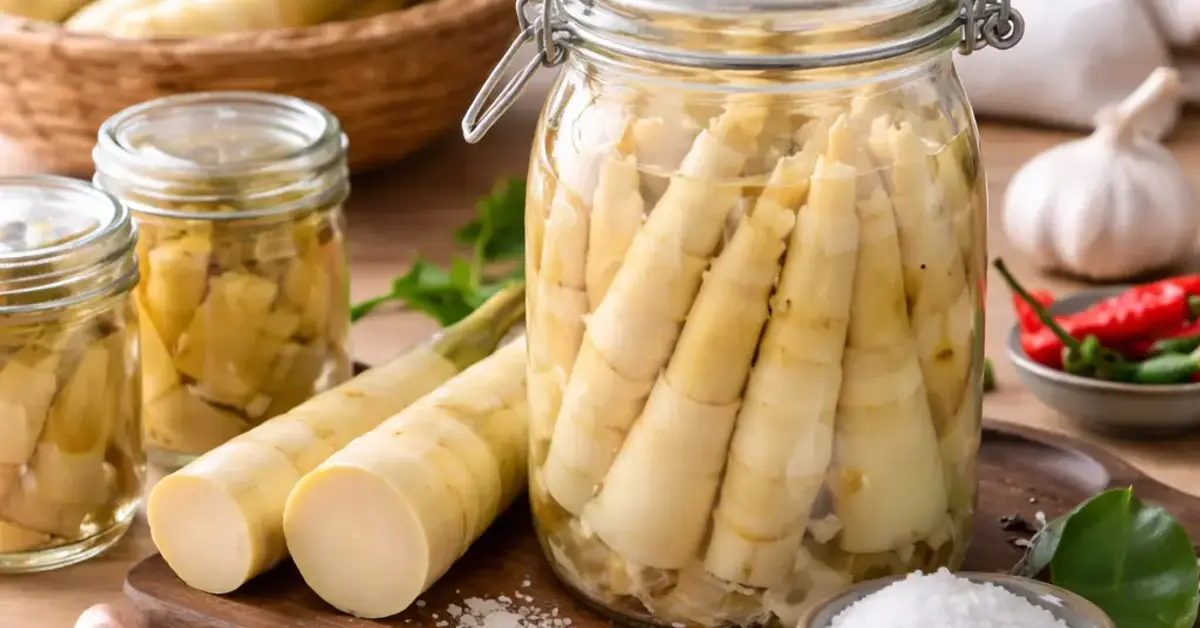
salted bamboo shoots Key Takeaways
Learning how to make salted bamboo shoots at home is a rewarding way to stretch your harvest and enjoy that fresh, tender crunch all year.
- The secret to great salted bamboo shoots lies in using young, tender shoots and a precise salt ratio.
- Proper fermentation and storage prevent spoilage and keep your bamboo shoots crisp for months.
- Avoiding three common mistakes ensures food safety and superior flavor.
Why Preserve Bamboo Shoots with Salt?
Fresh bamboo shoots are only available for a short season, usually late spring to early summer. They are highly perishable and can turn bitter or woody within days. Salt preservation — also called brining or lacto-fermentation — naturally inhibits harmful bacteria while allowing beneficial microbes to develop complex, savory flavors. The result is a pantry staple that adds authentic umami to stir-fries, soups, and braised dishes.
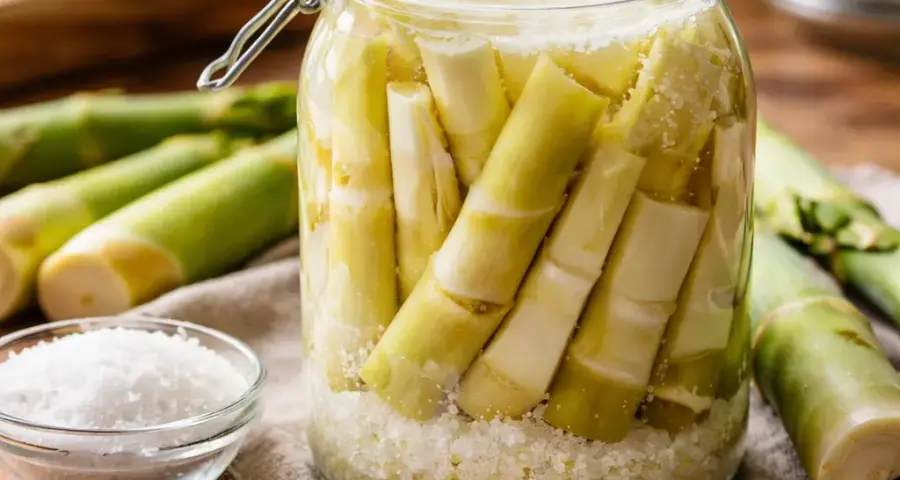
This method requires only three ingredients: bamboo shoots, salt, and water. No special equipment or chemical preservatives are needed. With a little patience, you can stock your pantry with salted bamboo shoots that taste almost as fresh as the day you harvested them. For a related guide, see 7 Fermenting Bamboo Shoots Mistakes to Avoid for Best Rebung Asin.
What You’ll Need Before Starting
Before you begin, gather the following items. Having everything ready makes the process smooth and reduces the chance of contamination.
- Fresh bamboo shoots – Choose young, tender shoots (about 6–8 inches tall) that feel firm and have tightly wrapped leaves. Avoid any with yellowing or soft spots.
- Coarse sea salt or kosher salt – Do not use iodized table salt, as the iodine can discolor the shoots and inhibit fermentation. The salt-to-water ratio is critical: use 1 cup of salt per 4 cups of water for the brine.
- Filtered or spring water – Chlorinated tap water can kill the good bacteria needed for fermentation. Let tap water sit out overnight to dechlorinate, or use bottled spring water.
- Clean glass jars or ceramic crocks – Avoid metal containers, which can react with the salt and cause off-flavors.
- A weight – A clean glass jar filled with water or a food-grade fermentation weight to keep the bamboo shoots submerged under the brine.
- A clean cloth or fermentation lid – To cover the jar while allowing gases to escape.
Step-by-Step Guide to Making Salted Bamboo Shoots
Follow these steps carefully to create safe, delicious salted bamboo shoots for long-term storage.
Step 1: Prepare the Bamboo Shoots
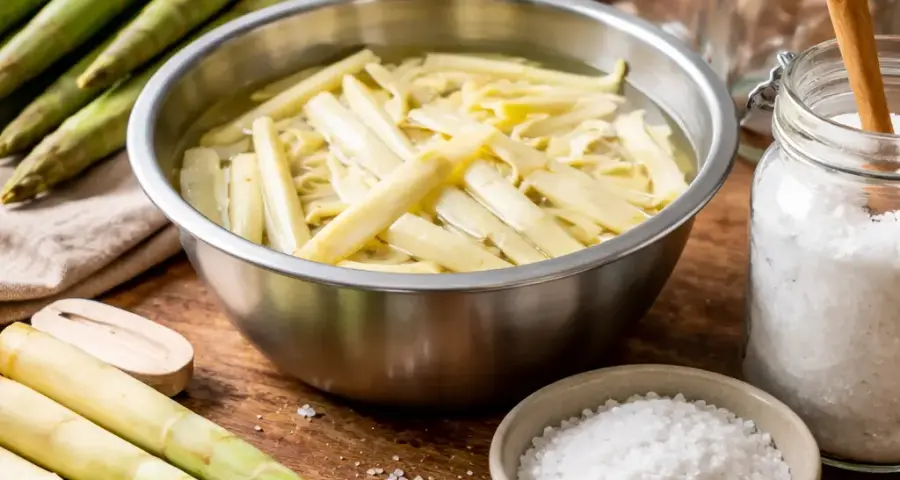
Remove the tough outer layers of the bamboo shoots until you reach the tender, pale inner core. Trim off the base if it feels woody. Slice the shoots into uniform pieces — about 1/2-inch thick rings or strips work well for even brining. Rinse the pieces under cold water to remove any dirt or sap.
Step 2: Blanch to Remove Bitterness
Bamboo shoots contain natural toxins and bitter compounds that must be neutralized. Bring a large pot of water to a rolling boil. Add the sliced shoots and blanch for 10–12 minutes. Drain and let them cool completely. This step is non-negotiable for both safety and taste.
Step 3: Prepare the Brine
In a separate pot, combine 4 cups of filtered water with 1 cup of coarse salt. Heat gently and stir until the salt fully dissolves. Remove from heat and allow the brine to cool to room temperature. Do not pour hot brine over the bamboo shoots, as this can cause them to become mushy.
Step 4: Pack the Jars
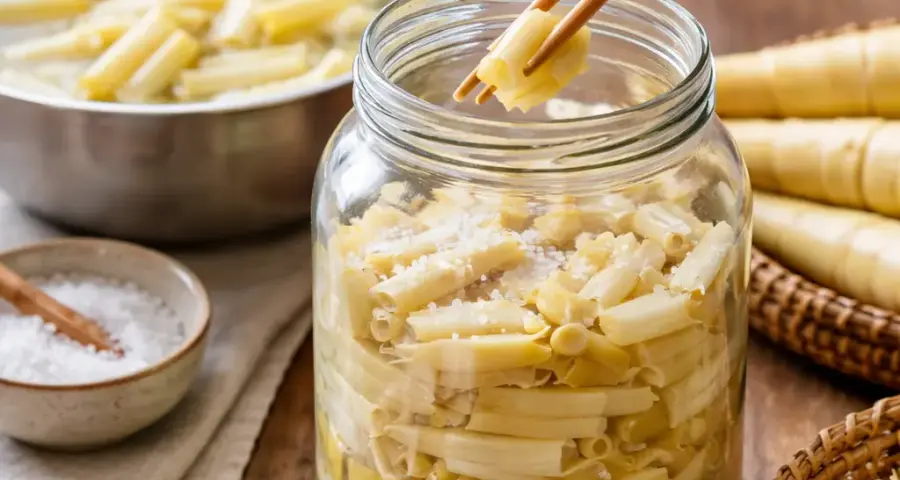
Pack the blanched, cooled bamboo shoot pieces tightly into your clean glass jars. Leave about 1 inch of headspace at the top. Pour the cooled brine over the shoots until they are completely submerged. Use your weight to hold the shoots below the brine surface — any exposure to air can lead to mold.
Step 5: Ferment (Optional but Recommended)
If you want a deeper, tangier flavor, let the jars sit at room temperature (60–75°F) for 3–7 days. Check daily: you should see small bubbles forming, which indicates active fermentation. Taste a piece after a few days; when the flavor is pleasantly sour and the texture is tender-crisp, move on to the next step. If you prefer a neutral salty taste, skip the room-temperature rest and go straight to cold storage.
Step 6: Store for the Long Term
Seal the jars with tight-fitting lids and transfer them to the refrigerator or a cool root cellar (below 50°F). Properly fermented salted bamboo shoots will keep for 6 months or more in the fridge. Always use a clean utensil to remove shoots from the jar to avoid introducing contaminants.
3 Common Mistakes to Avoid
Even experienced home preservers can run into trouble. Avoid these three pitfalls to ensure your salted bamboo shoots stay safe and delicious.
Mistake #1: Using Too Little Salt
Salt is the primary preservative in this recipe. If you skimp on salt, dangerous bacteria like Clostridium botulinum can survive and multiply. Always use the 1:4 salt-to-water ratio and never reduce the salt amount. If you’re sensitive to salt, you can rinse the shoots before eating; never reduce the salt in the brine.
Mistake #2: Forgetting to Blanch
Skipping the blanching step is a serious safety error. Raw bamboo shoots contain cyanogenic glycosides that can cause bitterness and even toxicity if consumed in large quantities. Blanching neutralizes these compounds and also softens the shoots so they absorb brine evenly. For a related guide, see Dehydrating Bamboo Shoots: Easy Oven and Sun Drying Guide.
Mistake #3: Exposing the Shoots to Air
Mold and yeast thrive on oxygen. If any piece of bamboo shoot floats above the brine surface, it will quickly spoil. Always use a weight to keep the shoots fully submerged. If you see mold, skim it off immediately. If the mold returns or the brine becomes slimy, discard the entire batch.
How to Use Salted Bamboo Shoots in Cooking
Once preserved, salted bamboo shoots are incredibly versatile. Here are a few ways to incorporate them into your meals.
- Rinse before use – Soak the shoots in fresh water for 15–30 minutes to remove excess salt, then drain.
- Stir-fries – Add sliced shoots to vegetable or meat stir-fries during the last few minutes of cooking.
- Soups and stews – Drop them into broths, curries, or hot pots. They absorb flavors beautifully.
- Braised dishes – Simmer with soy sauce, ginger, and garlic for a simple side dish.
Troubleshooting Common Problems
Even careful preservers sometimes encounter issues. Here’s how to handle them.
- Brine turned cloudy? Light cloudiness during fermentation is normal. If the brine develops a foul odor, discard the batch.
- Shoots are too salty? Soak them longer in fresh water, changing the water once or twice.
- Mold on the surface? Skim it off immediately. If mold reappears or the shoots smell off, throw them out.
- Shoots became mushy? This usually happens if the brine was too hot when poured or if the shoots were over-blanched. Next time, cool both completely before combining.
Useful Resources
For more detailed information on food fermentation and safety, check these trusted resources.
- National Center for Home Food Preservation – Fermenting Vegetables – Research-based guidelines for safe fermentation at home.
- Kitchn – How to Make Lacto-Fermented Vegetables – A clear primer on the fermentation process with practical tips.
Frequently Asked Questions About salted bamboo shoots
What are salted bamboo shoots ?
Salted bamboo shoots are bamboo shoots that have been preserved in a salt brine, often through lacto-fermentation, to extend their shelf life and develop a tangy, savory flavor.
How long do salted bamboo shoots last?
When stored properly in the refrigerator or a cool root cellar, salted bamboo shoots can last 6 months to 1 year. Always check for off smells or mold before use.
Can I reuse the brine?
It’s not recommended to reuse the brine from a batch of salted bamboo shoots. The brine may harbor bacteria from the previous batch and the salt concentration can become unbalanced.
Do I need to refrigerate salted bamboo shoots ?
Yes, after the initial fermentation period, salted bamboo shoots must be kept in the refrigerator or a consistently cool (below 50°F) location to prevent spoilage.
Can I use table salt instead of sea salt?
Table salt usually contains iodine and anti-caking agents that can discolor the bamboo shoots and inhibit fermentation. Coarse sea salt or kosher salt is preferred.
Do I need to peel bamboo shoots before brining?
Yes, remove the tough outer layers until you reach the tender, pale inner core. The outer leaves are fibrous and inedible.
What is the ideal salt-to-water ratio?
The standard ratio for salted bamboo shoots is 1 cup of coarse salt per 4 cups of water. This creates a brine with roughly 20% salinity, which is effective for preservation.
Can I ferment bamboo shoots without salt?
No. Salt is essential for controlling harmful bacteria and allowing beneficial lactobacillus to thrive. Without salt, the bamboo shoots will spoil quickly.
How do I know if the fermentation is working?
You should see small bubbles forming in the jar within 24–48 hours at room temperature. The brine may become slightly cloudy, and a pleasantly sour smell will develop.
Can I use tap water for the brine?
Chlorinated tap water can inhibit fermentation. Let tap water sit out for 24 hours to allow chlorine to dissipate, or use filtered or spring water.
What if I see mold on the surface?
If mold appears on the brine surface, skim it off immediately with a clean spoon. Make sure the bamboo shoots are still fully submerged. If mold returns or the brine smells foul, discard the batch.
Can I preserve bamboo shoots in vinegar instead of salt?
Yes, you can pickle bamboo shoots in vinegar, but that is a different preservation method with a different flavor profile. This guide focuses on salt preservation.
Do I need to sterilize the jars?
Washing jars in hot, soapy water and rinsing well is sufficient. For extra safety, you can boil the jars for 10 minutes, but full sterilization is not required for fermentation.
Can I add spices to the brine?
Absolutely. Garlic, ginger, chili flakes, or bay leaves are popular additions that infuse extra flavor into your salted bamboo shoots.
How do I use salted bamboo shoots in recipes?
Rinse the shoots to remove excess salt, then add them to stir-fries, soups, curries, or braised dishes. They pair well with soy sauce, ginger, and sesame oil.
Can I freeze salted bamboo shoots ?
Freezing is not recommended because the texture becomes soft and watery after thawing. The brine method is designed for refrigerator storage.
Why are my bamboo shoots bitter after preservation?
Bitterness can result from using mature shoots, skipping the blanching step, or using too little salt. Make sure to blanch thoroughly and use the correct salt ratio.
Can I can salted bamboo shoots in a water bath?
Salted bamboo shoots are not suitable for water bath canning. The high salt content and low acidity can allow hazardous bacteria to survive. Stick to refrigeration or fermentation.
What is the difference between salted bamboo shoots and pickled bamboo shoots?
Salted bamboo shoots rely on salt brine for preservation, often with fermentation, while pickled bamboo shoots use vinegar and sugar. They have different flavors and uses in cooking.
Are salted bamboo shoots healthy?
Bamboo shoots are low in calories and rich in fiber. The fermentation process adds beneficial probiotics. However, the high sodium content means they should be consumed in moderation.