
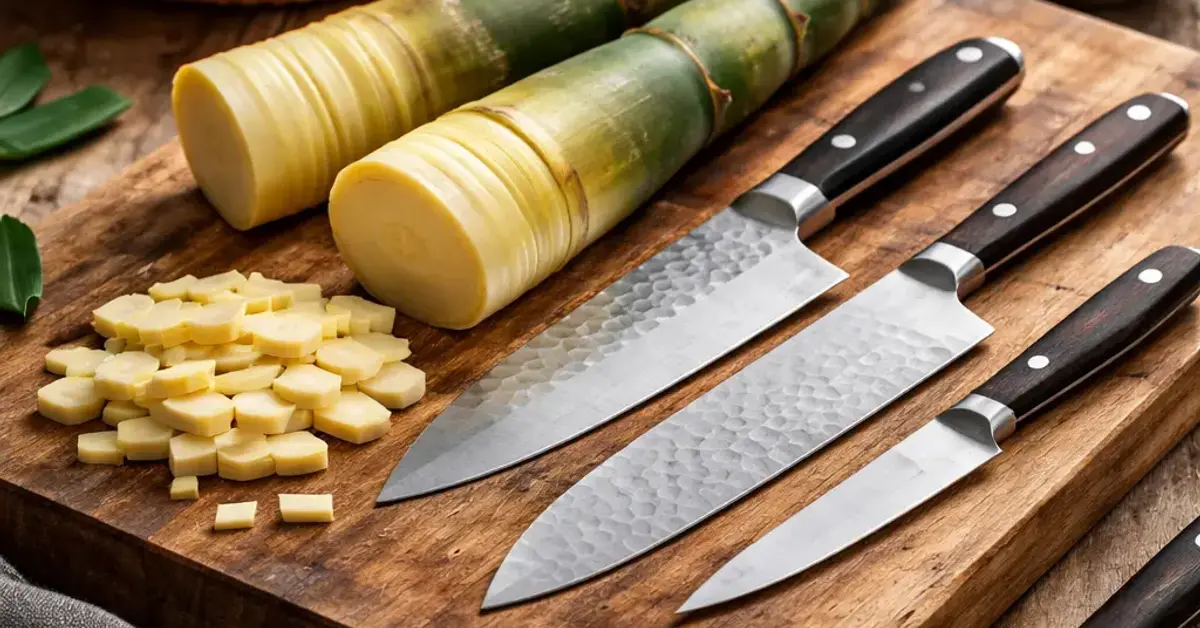
knives for cutting bamboo shoots Key Takeaways
Selecting the right knives for cutting bamboo shoots can make the difference between clean, safe slices and frustrating, uneven cuts.
- The best knives for cutting bamboo shoots balance a thin, sharp edge with enough blade weight to power through tough fibers.
- Santoku, Nakiri, and Chinese cleaver styles each offer distinct advantages for bamboo preparation.
- Proper care—including immediate rinsing, hand washing, and periodic honing—extends knife life and improves cut quality.
Why Choosing the Right Knives for Cutting Bamboo Shoots Matters
Bamboo shoots are a staple in many Asian cuisines, prized for their crisp texture and mild, earthy flavor. However, their dense, layered structure can quickly dull a poorly designed blade and make slicing a frustrating task. A dedicated bamboo shoot knife or a well-suited general-purpose chef’s knife reduces effort, improves safety, and produces uniform pieces that cook evenly. Whether you are preparing fresh shoots for stir-fries, salads, or pickling, the right tool transforms the process from a chore into a pleasure. For a related guide, see Dehydrating Bamboo Shoots: Easy Oven and Sun Drying Guide.
What Makes Bamboo Shoots Challenging to Cut
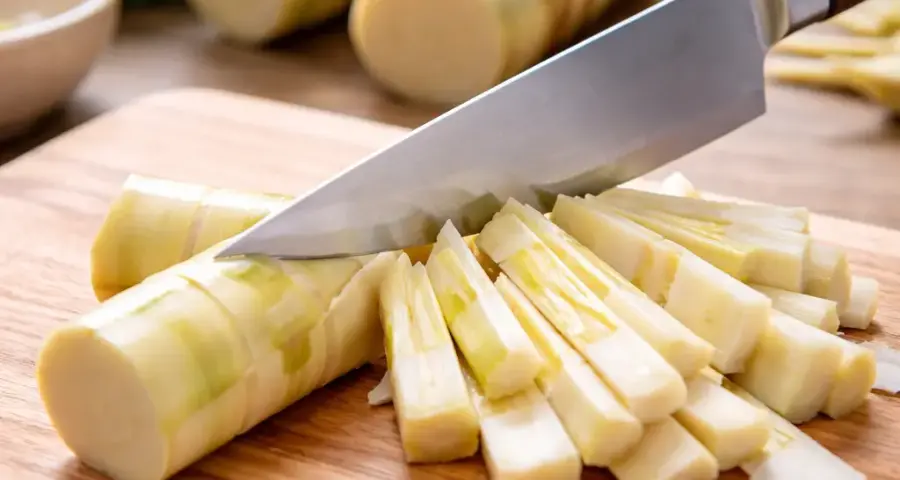
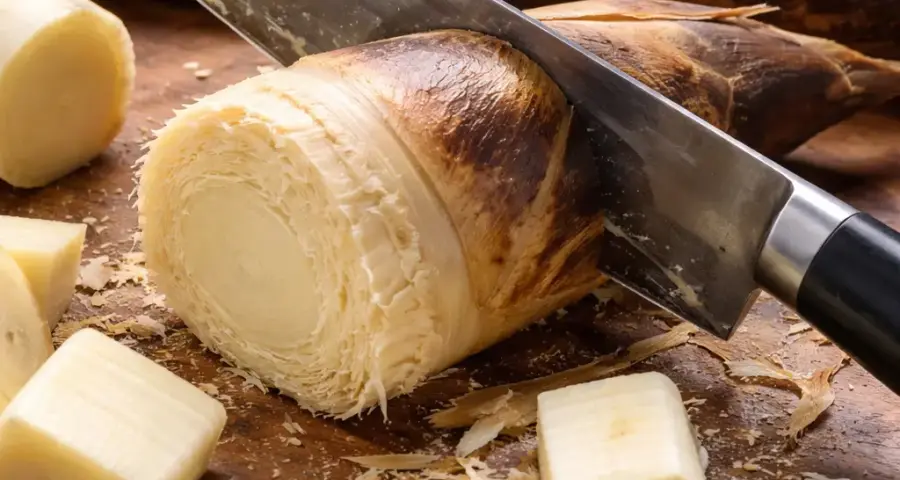
Bamboo shoots have a tough outer husk and a firm inner core composed of overlapping fibers. The outer layers can be brittle, while the interior requires a blade that can slice cleanly without crushing. A knife with a thin, sharp edge and a slight curve or flat profile helps navigate these textures. Blades that are too thick tend to wedge and split the shoot, while overly flexible blades may buckle under pressure.
Comparing Blade Types for the Best Knife for Cutting Bamboo Shoots
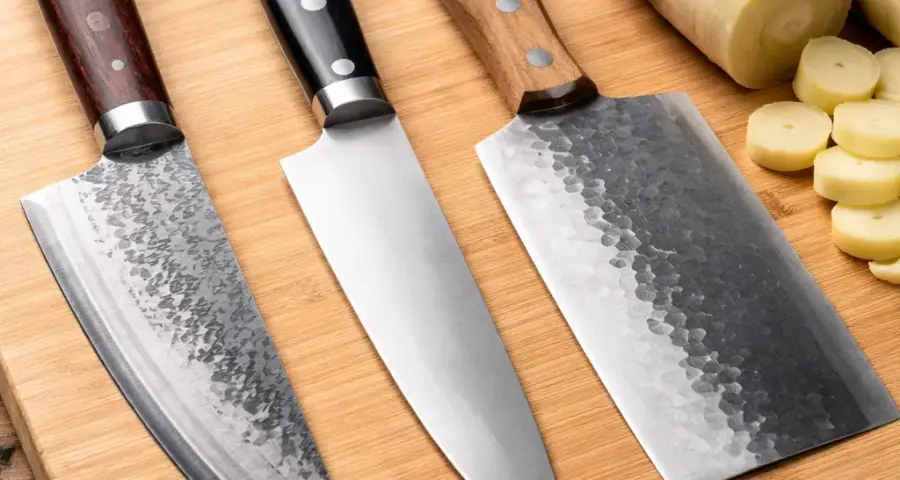
Different blade shapes offer distinct advantages when preparing bamboo shoots. Below is a comparison of the three most popular styles among home cooks and professionals.
| Blade Type | Best For | Key Advantage | Potential Drawback |
|---|---|---|---|
| Santoku | All-purpose slicing, dicing, and chopping | Versatile; thin edge glides through fiber | Shorter blade may require more passes on large shoots |
| Nakiri | Vegetable prep, straight cuts | Flat edge allows clean, full-contact slices | No tip for detailed work |
| Chinese Cleaver (Caidao) | Heavy chopping, crushing garlic, scooping ingredients | Wide blade protects knuckles; weight powers through tough shoots | Heavier; requires more wrist strength |
Why the Nakiri Excels as a Bamboo Shoot Knife
The Nakiri’s flat, rectangular blade makes direct contact with the cutting board along its entire length, allowing you to slice bamboo shoots with a straight up-and-down motion. This design reduces the need for a rocking chop and helps maintain even thickness. Many cooks find the Nakiri’s light weight and straight edge ideal for bamboo shoot preparation tools.
When a Santoku Works Just as Well
If you prefer one knife for multiple tasks, a Santoku with a granton edge (scalloped indentations) reduces friction and prevents starchy bamboo residue from sticking to the blade. Look for a blade length between 16 cm and 18 cm for good maneuverability.
Key Features of the Best Knife for Cutting Bamboo Shoots
Beyond blade shape, several features determine whether a knife performs well with bamboo shoots. Consider these factors before making a purchase.
Edge Retention
The abrasive fibers in bamboo shoots can dull a soft steel blade quickly. Look for knives made from high-carbon stainless steel (e.g., VG-10, AUS-8, or SG2) that hold an edge through multiple prep sessions. Harder steels (Rockwell hardness of 58–62) resist wear longer but may be more brittle if abused.
Blade Weight and Balance
A heavier blade (200–250 grams) can power through dense shoots with less effort, but it should be well-balanced to avoid wrist fatigue. Test the knife by holding it at the handle—if it tips forward, it may tire your hand during long prep sessions. A balanced bamboo shoot knife feels like a natural extension of your arm.
Handle Comfort and Grip
Bamboo shoots can be slippery after peeling, so a secure grip is essential. Handles made from textured synthetic materials (e.g., Pakkawood, Micarta, or rubberized composites) offer good traction even when wet. Avoid smooth, round handles that can twist in your hand.
Step-by-Step Care for Your Knife for Cutting Bamboo Shoots
Proper maintenance keeps your blade sharp and safe. Follow these steps after each use.
Step 1: Rinse Immediately
Bamboo shoots contain starch and tannins that can stain and corrode steel if left to dry. Rinse the blade under warm water immediately after cutting.
Step 2: Hand Wash Only
Never put a quality knife in the dishwasher. High heat and harsh detergents damage the edge and handle. Wash with mild soap and a soft sponge, then dry with a towel.
Step 3: Hone Before Each Session
Use a honing steel to realign the edge before every use. A few light strokes on each side keep the blade performing like new.
Step 4: Sharpen When Needed
When honing no longer restores sharpness, use a whetstone (1000–3000 grit). Sharpen at a 15–20 degree angle, applying even pressure. If you are not confident, take the knife to a professional sharpener.
Step 5: Store Safely
Store your knives for cutting bamboo shoots in a knife block, magnetic strip, or blade guard. Loose storage in a drawer dulls the edge and risks injury.
Top Pick Summary: Our Recommended Bamboo Shoot Knife
After evaluating blade shape, edge retention, balance, and handle comfort, the Tojiro DP Nakiri (170 mm) stands out as the best knife for cutting bamboo shoots for most home cooks. Its VG-10 stainless steel core holds a razor edge, the flat blade glides through fibrous shoots, and the Pakkawood handle offers a secure grip. For those who prefer a heavier option, the Shibazi F208 Chinese Cleaver provides excellent value and power. Whichever you choose, invest in a quality knife and maintain it well—your bamboo shoot dishes will thank you. For a related guide, see Knife Sharpening Guide: 5 Smart Tips for Tough Bamboo Shoots.
Useful Resources
For further reading on knife steel types and sharpening techniques, see Chef Knives To Go’s Steel Guide. For authentic bamboo shoot preparation methods, visit Serious Eats’ Bamboo Shoot Prep Guide.
Frequently Asked Questions About knives for cutting bamboo shoots
What is the best knife for cutting bamboo shoots ?
A Nakiri or Santoku with a thin, sharp edge is widely considered the best knife for cutting bamboo shoots because of its flat profile and ability to slice cleanly through dense fibers.
Can I use a regular chef’s knife to cut bamboo shoots?
Yes, a standard chef’s knife works, but the curved blade may produce uneven slices. A Nakiri or Santoku offers better control for this specific task.
Which bamboo shoot knife is best for beginners?
A medium-weight Santoku (around 170 mm) is forgiving, versatile, and easy to handle, making it an excellent starting point.
Do I need a special knife for bamboo shoots?
Not necessarily, but a dedicated vegetable knife like a Nakiri makes the task significantly easier and safer.
How often should I sharpen my bamboo shoot preparation tools ?
With regular use, sharpen every 2–4 weeks. Honing before each session prolongs the edge between sharpenings.
What steel type is best for cutting bamboo shoots?
High-carbon stainless steel (VG-10, AUS-8, or SG2) provides excellent edge retention and corrosion resistance.
Is a Chinese cleaver good for bamboo shoots?
Yes, a Chinese cleaver’s weight and wide blade are very effective, especially for larger shoots. Just ensure the blade is sharp.
Can I use a ceramic knife on bamboo shoots?
Ceramic blades are very sharp but brittle. They can chip on tough bamboo fibers, so a metal blade is generally safer.
What size blade is best for bamboo shoot prep?
A blade between 165 mm and 180 mm provides enough length to cut through most shoots without being unwieldy.
Should I choose a carbon steel or stainless steel knife for bamboo?
Stainless steel is easier to maintain because bamboo’s acidic moisture can stain carbon steel quickly. Stainless is recommended for most users.
How do I clean a knife after cutting bamboo shoots?
Rinse under warm water, hand wash with mild soap, and dry immediately to prevent staining or rust.
Can I slice bamboo shoots with a mandoline instead of a knife?
Yes, a mandoline produces very even slices, but exercise extreme caution with the sharp blade and the shoot’s slippery surface.
What is the best way to cut bamboo shoots for stir-fry?
Slice them into thin, uniform matchsticks or diagonal slices using a Nakiri or Santoku for consistent cooking.
Do I need to peel bamboo shoots before cutting?
Yes, remove the tough outer husk and any hard base before slicing the tender inner flesh.
Can a dull knife cause injury when cutting bamboo?
Absolutely. Dull blades require more force and are more likely to slip, increasing the risk of cuts.
What is the best handle material for a bamboo shoot knife ?
Textured synthetic materials like Pakkawood or rubberized composites offer secure grip even when wet.
Are expensive knives worth it for bamboo shoots?
A mid-range knife ($50–$100) with good steel and comfortable handle is often sufficient. High-end knives offer better edge retention but require careful maintenance.
Can I cut frozen bamboo shoots with a regular knife?
It is possible but not recommended—frozen shoots are extremely hard and can damage the edge. Thaw first.
What’s the difference between a Nakiri and a Santoku for bamboo?
A Nakiri has a completely flat edge for straight cuts, while a Santoku has a slight curve that allows a rocking motion. Both work well.
Where can I buy a quality bamboo shoot knife ?
Specialty kitchen stores, online retailers like Chef Knives To Go or Cutlery and More, and direct from Japanese knife makers offer excellent options.