
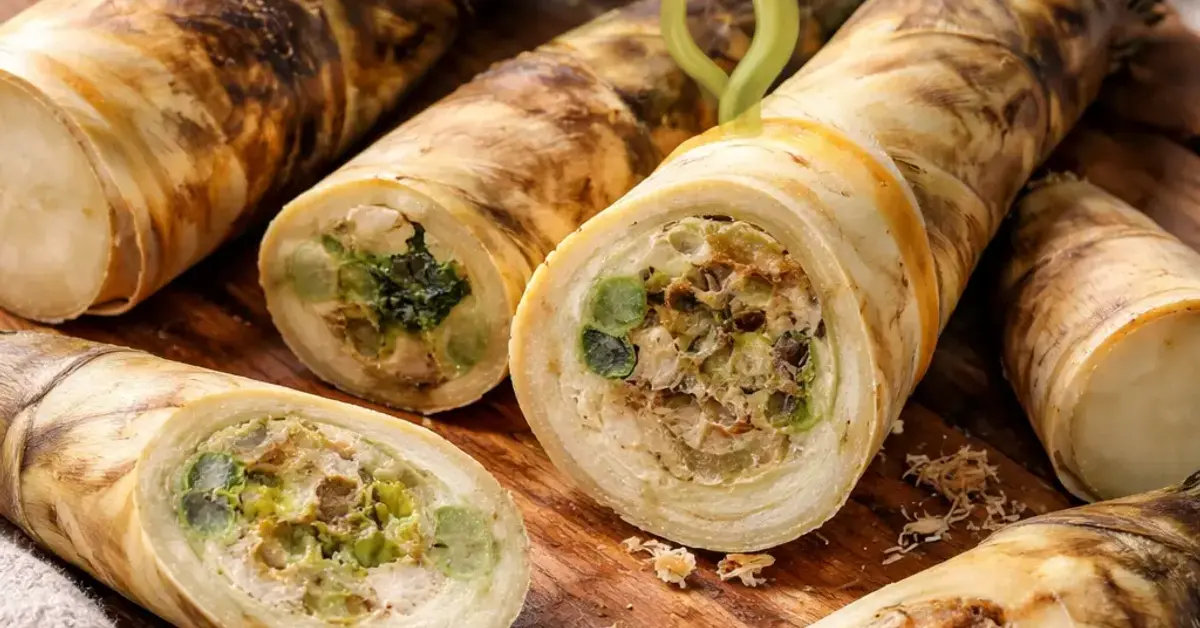
when a bamboo shoot is too old to eat Key Takeaways
Fresh bamboo shoots are crisp, pale yellow, and smell like earth — but once they turn green, develop tough rings, or smell sour, they’re past their prime.
- Key insight 1: Green spots or a greenish hue on the shoot indicate chlorophyll buildup — a sign of age and bitterness.
- Key insight 2: Fibrous rings near the base and a sour, off odor mean the shoot is degrading and should be discarded.
- Key insight 3: A soft, rubbery texture instead of firm, crispness also means when a bamboo shoot is too old to eat for safety and flavor.
Why Understanding when a bamboo shoot is too old to eat Matters
Bamboo shoots are a spring delicacy in many Asian cuisines, prized for their tender crunch and subtle sweetness. But they age fast. A shoot that looks promising on the outside can hide tough, fibrous layers and a bitter taste once you peel it. Knowing the visual cues helps you avoid wasting money or ruining a dish. For a related guide, see 7 Mistakes to Avoid When Cutting Bamboo Shoots from Garden to Wok.
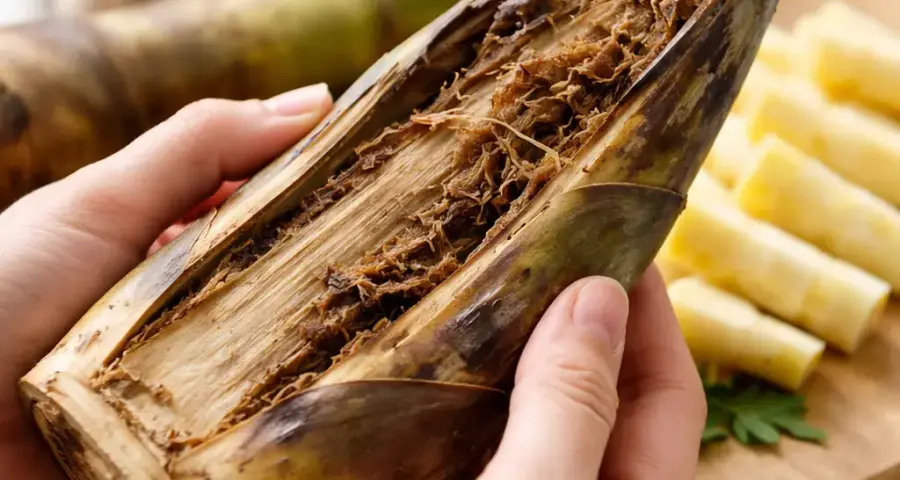
Using an old shoot doesn’t just affect texture — it can also introduce an unpleasant sourness that masks other flavors. In some cases, overly mature shoots contain higher levels of cyanogenic glycosides, which can cause digestive discomfort if not properly cooked. So learning how to tell if a bamboo shoot is old is both a taste and safety skill.
7 Visual Signs That Tell You when a bamboo shoot is too old to eat
These signs range from obvious color changes to subtle textural clues. Go through them in order — if you spot one or more, it’s time to compost that shoot.
Sign 1: Greenish Hue or Green Spots on the Skin
A fresh bamboo shoot should have a pale yellow to light beige outer layer. If you see any green tint — especially near the tip or on the sides — that means the shoot has been exposed to sunlight and started photosynthesizing. This process triggers chlorophyll production and increases bitterness.
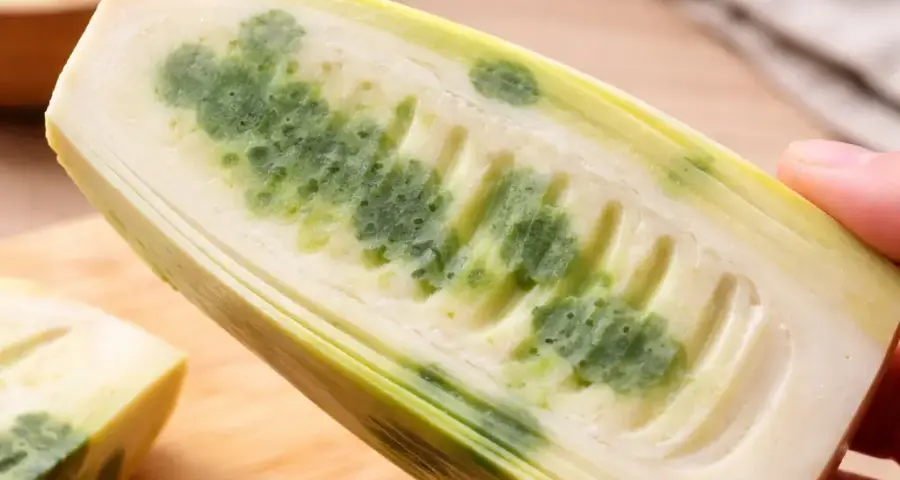
Small green spots are also a warning. Even if the rest of the shoot looks cream-colored, those spots indicate the shoot is older than ideal. When you spot green, you’re looking at one of the clearest indicators of how to tell if bamboo shoot is old.
Sign 2: Brown, Dry, or Cracked Outer Leaves
The husk-like leaves around the shoot protect the tender core. In a young, fresh shoot, these leaves are moist, tightly wrapped, and light brown or pale tan. As the shoot ages, the leaves turn dark brown, become papery dry, and may start cracking or peeling away.
Gently squeeze the shoot — if the outer leaves feel crispy or fall off easily, that’s a sign of age. A healthy shoot will have leaves that cling to the body.
Sign 3: Soft, Spongy, or Rubber-Like Feel at the Base
Pick up the shoot and press the bottom inch with your thumb. It should be firm — almost hard — like a carrot. If it gives easily and feels spongy or rubbery, the shoot is too old. The core is breaking down internally, which affects flavor and safety.
This is one of the easiest tests. Once a shoot feels soft, when a bamboo shoot is too old to eat is no longer a question — it’s a decision to toss it.
Sign 4: Visible Fibrous Rings When Cut Crosswise
Slice the shoot about an inch above the base and look at the cut surface. A young shoot will show a solid, creamy interior with barely visible fiber lines. An old shoot displays distinct concentric rings — like tree rings — that are tough and stringy.
These rings are the vascular bundles that have thickened with age. They don’t soften much during cooking and will leave you chewing on woody bits. If you see prominent rings, the shoot is past its prime.
Sign 5: Sour or Fermented Smell
Fresh bamboo shoots have a clean, earthy aroma — like damp soil or fresh vegetables. As they age, natural sugars ferment, and the smell turns sour, tangy, or even like spoiled cabbage. If you catch a whiff of something off, trust your nose.
A sour smell can also indicate bacterial growth, especially if the shoot was stored improperly. When combined with a soft base or green spots, it’s a definite sign to discard the shoot.
Sign 6: Excess Moisture or Slimy Patches
Old shoots often leak liquid at the cut ends or develop a slimy film on the outer leaves. This happens as cell walls break down. If the shoot feels wetter than normal or has sticky patches, it’s deteriorating.
Slide your finger across the surface. If it feels slippery, that’s slime — a clear microbial red flag. Don’t risk eating it.
Sign 7: Hollow or Cracked Interior After Cutting
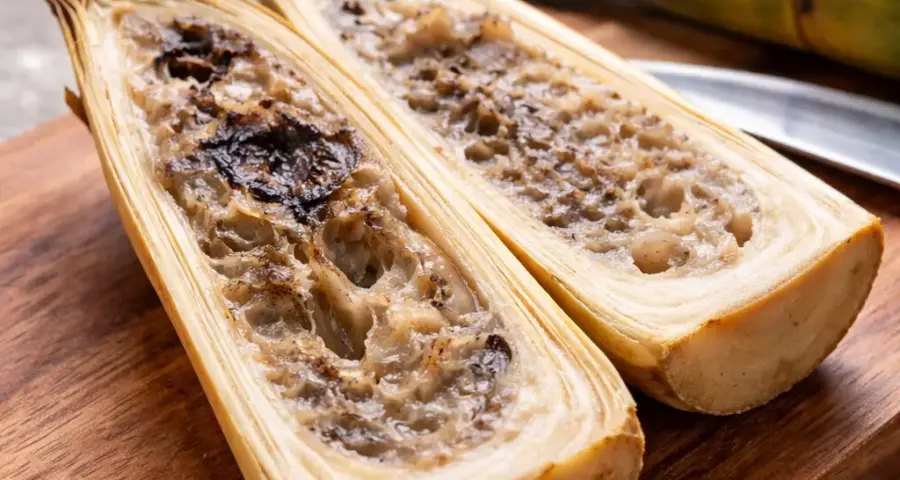
Once you slice open the shoot, check the center. A young shoot has a solid, moist core. An old one may have a hollow center, cracks, or darkened patches near the middle. This internal breakdown also leads to a bitter aftertaste.
If you see a hole in the center, especially with dark edges, the shoot is too old for the pot.
How to Choose a Fresh Bamboo Shoot: A Quick Visual Guide for Bamboo Shoots
To avoid guessing, use this simple checklist when shopping:
- Color: Pale yellow to cream — no green.
- Leaves: Moist, tightly layered, light brown.
- Feel: Heavy for its size, firm at the base.
- Smell: Earthy, not sour.
- Cut test: Solid interior, subtle fiber lines only.
Mastering this visual guide for bamboo shoots will keep your stir-fries, soups, and curries tender and delicious.
What to Do If You Suspect a Shoot Is Too Old
If only one sign is present — like a slightly green tip — you may still salvage it. Trim off the green part and peel deeper into the shoot. If the flesh underneath is cream-colored and smells fine, you can use it. But if two or more signs appear, especially sour smell or soft base, discard the whole shoot.
Once you confirm how to tell if bamboo shoot is old, you’ll waste less and cook better. And remember: proper boiling (for at least 20 minutes) neutralizes toxins in even slightly older shoots, but it won’t fix a truly old, fibrous one.
Useful Resources
For a deeper look at bamboo shoot varieties and preparation, check out the Spruce Eats guide to bamboo shoots. For food safety notes on fresh bamboo, see FoodSafety.gov vegetable storage tips.
Frequently Asked Questions About when a bamboo shoot is too old to eat
Can you eat a bamboo shoot if it has a few green spots?
Yes, but trim away the green parts completely and taste a small raw piece — if bitter, boil it thoroughly. Green spots mean the shoot is borderline, but often still usable after heavy peeling.
How long do fresh bamboo shoots last in the fridge?
Unpeeled, fresh shoots last about 1 week in the refrigerator. Once peeled, they should be used within 2 days or blanched and frozen for up to 3 months.
Is it safe to eat bamboo shoots that smell sour?
No. A sour smell indicates fermentation or spoilage. Eating them could cause stomach upset. Discard any shoot that smells sour or like vinegar.
Does boiling fix an old, fibrous bamboo shoot?
Boiling softens the fibers slightly, but if the shoot has thick fibrous rings, it will remain chewy. Boiling cannot reverse age-related toughness.
What does a fresh bamboo shoot look like inside?
Fresh shoots have a pale cream to ivory interior with very faint, thin fiber lines. The center is solid, not hollow, and moist without being slimy.
Can bamboo shoots be eaten raw?
No. Raw bamboo shoots contain cyanogenic glycosides, which release cyanide when eaten. Always boil fresh shoots for at least 20 minutes before consuming. For a related guide, see Boiling Bamboo Shoots: Avoid Toxicity With Proven Times and Doneness Tests.
How can you tell if canned bamboo shoots are old?
Check the can for dents, rust, or bulging. After opening, the shoots should look pale yellow, smell neutral, and feel firm. Discolored or mushy shoots should be discarded.
Do older bamboo shoots cause more bitterness?
Yes. As shoots age, they produce more bitter compounds called taxiphyllin. Boiling reduces bitterness but cannot eliminate it entirely in very old shoots.
What is the best way to store bamboo shoots to keep them fresh?
Keep unpeeled shoots in a paper bag in the fridge. Do not wash until ready to use. Peeled shoots should be submerged in cold water and changed daily — use within 2 days.
Can you use bamboo shoots after they start turning brown?
Light browning on the cut ends is normal oxidation. But if the browning penetrates deep into the flesh or is accompanied by soft spots, the shoot is aging.
What does it mean if a bamboo shoot feels light?
A lightweight shoot likely has a hollow or drying interior, a sign of age. Fresh shoots feel heavy for their size because the core is packed with moisture.
Are small bamboo shoots always younger and better?
Not always. Size depends on the bamboo species. But within the same type, smaller shoots tend to be more tender. Always use the visual signs, not just size.
Can you eat the outer leaves of a bamboo shoot?
No. The outer leaves are tough and inedible. Peel them away to reach the tender core. Only the inner pale flesh is eaten.
Does freezing affect bamboo shoot quality?
If you blanch them first, frozen shoots retain good texture for 3 months. Without blanching, they become mushy. Freezing does not improve an already old shoot.
What is the white powder sometimes found on bamboo shoots?
That’s a natural starch called tyrosine. It’s harmless and washes off. It does not indicate age or spoilage.
Can old bamboo shoots make you sick?
Potentially. Overly mature shoots may harbor higher toxin levels or bacterial growth if stored too long. Sour-smelling or slimy shoots should never be eaten.
Do you need to remove the fibrous outer ring of a bamboo shoot?
Yes. The outermost ring of the inner flesh is often tougher. Peel one or two extra layers until you reach the tender core.
Can you use bamboo shoots that have been cut and turned pink?
A pinkish tint on cut surfaces is natural oxidation in some varieties. If the shoot smells fresh and is firm, it’s safe — just trim away any discolored parts.
What is the best season for fresh bamboo shoots?
Spring is prime season for most varieties, especially late March to May in temperate regions. Fall shoots also appear in some species but are generally smaller.
How can I make old bamboo shoots less fibrous?
Slice them very thin across the grain and boil for 30 minutes. Still, if the signs of age are strong, it’s better to discard the shoot rather than force it.