
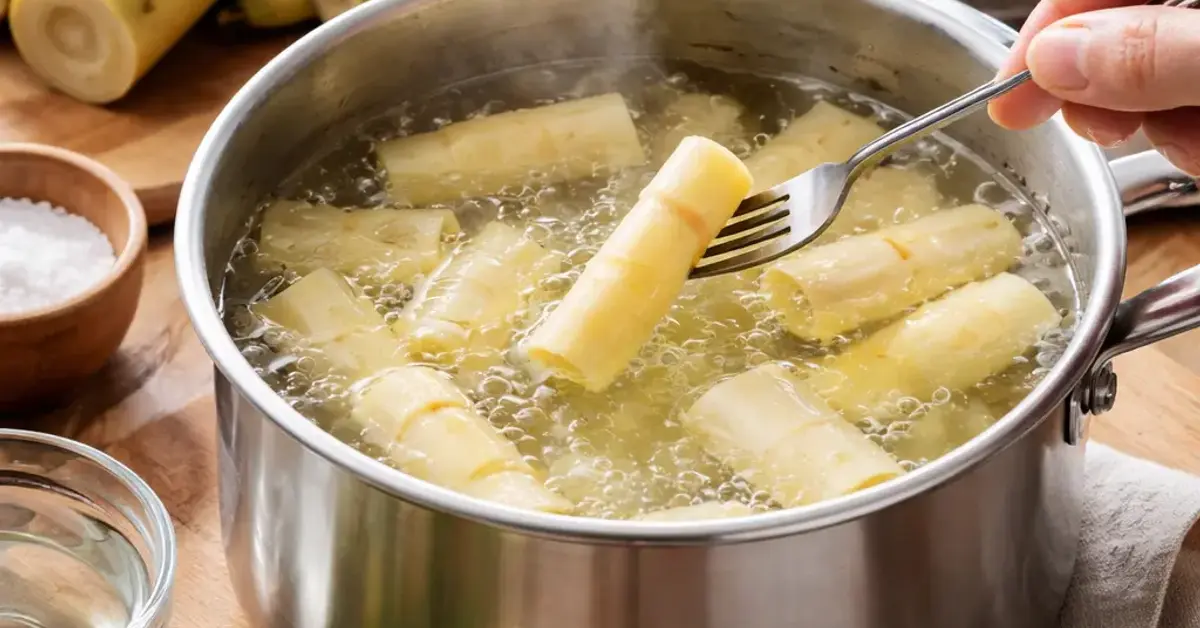
boiling bamboo shoots Key Takeaways
Raw bamboo shoots contain taxiphyllin, a cyanogenic glycoside that breaks down into toxic hydrogen cyanide.
- Boiling bamboo shoots requires two to three water changes for fresh shoots to eliminate bitterness and cyanide.
- Total boiling time ranges from 20 to 40 minutes, depending on shoot size and freshness.
- Use the fork-tender test and a smell check to confirm safety before eating.
Why Proper Boiling Bamboo Shoots Is Essential
Bamboo shoots are a crisp, mild vegetable popular in Asian stir-fries, soups, and salads. But eating them raw or undercooked can cause serious health risks because of naturally occurring cyanide compounds. Thorough boiling bamboo shoots neutralizes these toxins, softens the texture, and removes the harsh, grassy flavor. For a related guide, see Fresh vs. Canned Bamboo Shoots: 5 Key Differences and Best Choice.
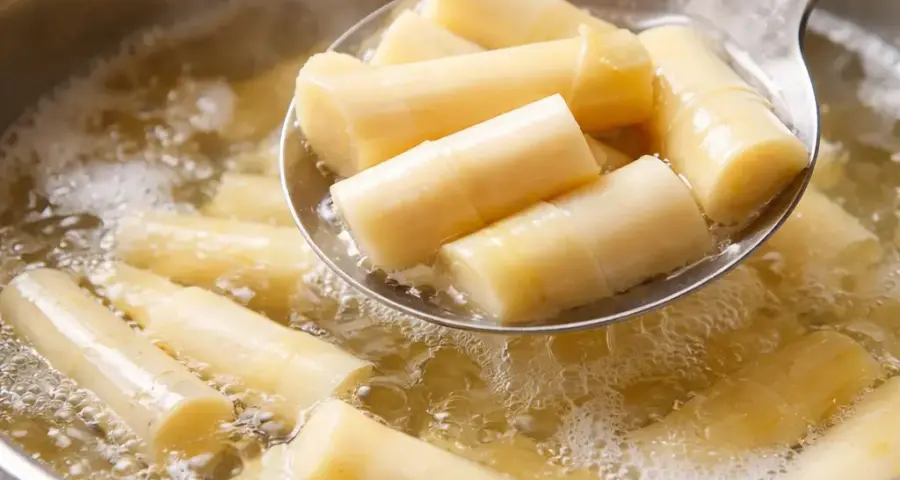
The key is understanding that not all bamboo shoots are the same. Young, tender shoots from spring harvest need less cooking than older, fibrous shoots. Fresh whole shoots also require more water changes than pre-sliced or jarred varieties. This guide assumes you are starting with whole, fresh bamboo shoots.
Step-by-Step Process for How to Boil Bamboo Shoots Safely
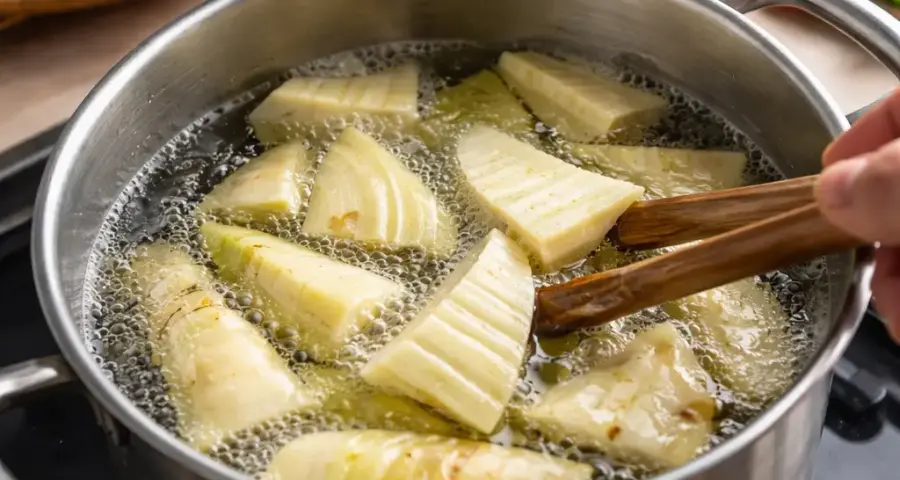
Step 1: Prepare the Shoots
Rinse the shoots under cold water to remove dirt. Trim off the woody base — usually about ½ inch from the bottom. Peel away the tough outer leaves until you reach the pale, tender inner layers. Slice the shoot lengthwise if it is thicker than your thumb to help heat penetrate evenly.
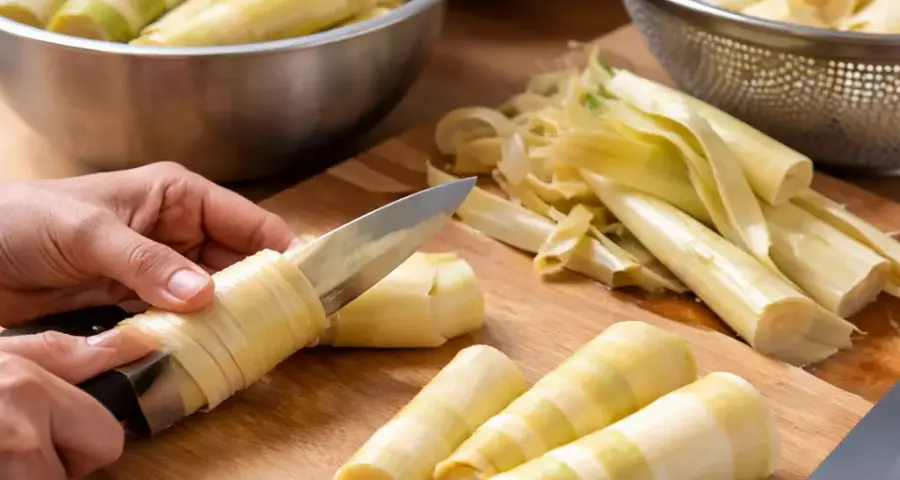
Step 2: First Boil — The Detoxification Phase
Place the prepared shoots in a large pot and cover them with cold water by at least two inches. Bring to a rolling boil over high heat, then reduce to a steady boil. Cook for 10 to 15 minutes. This first boil breaks down the cyanogenic glycosides and releases them into the water.
After boiling, drain the water completely. The water will be yellow-brown and smell slightly grassy — that is the toxins leaving the shoots.
Step 3: Water Change #1 — Removing Bitterness
Add fresh cold water to the pot, again covering the shoots by two inches. Bring to a boil and cook for another 10 to 12 minutes. Drain again. At this point, most of the bitterness and cyanide is gone. If the shoots are large or particularly fibrous, you may need a third water change.
Step 4: Optional Water Change #2 — Extra Assurance
For large shoots or if you are sensitive to bitterness, repeat the fresh-water boil for 8 to 10 minutes. After draining, the shoots should appear pale cream or light yellow, and the water should be almost clear with only a mild earthy scent.
Bamboo Shoot Doneness Test — How to Know They’re Ready
Instead of guessing, use these three reliable checks:
- Fork test: Pierce the thickest part of the shoot with a fork or skewer. It should slide in with gentle resistance — not mushy, but not hard. If the fork bounces off, boil another 5 minutes and test again.
- Color check: Fully cooked shoots turn a uniform pale ivory or light yellow. Dark yellow or brownish sections indicate undercooking.
- Smell test: Properly boiled shoots smell mild and slightly sweet. If you detect a strong grassy or ammonia-like odor, continue boiling with fresh water for another 5 minutes.
Food and Agriculture Organization guidelines on cyanide in bamboo shoots confirm that boiling in multiple water changes reduces cyanide content to safe levels.
Recommended Water Changes for Bamboo Shoots by Type
Different bamboo shoot forms require different treatment. Here is a quick reference:
| Shoot Type | Number of Water Changes | Total Boil Time |
|---|---|---|
| Fresh whole shoots (spring harvest) | 2 to 3 | 30 to 40 minutes |
| Fresh sliced shoots | 2 | 20 to 25 minutes |
| Dried bamboo shoots | 3 (after rehydrating) | 35 to 45 minutes |
| Store-bought vacuum-packed (ready-to-cook) | 1 (blanch only) | 5 to 7 minutes |
Always start counting from the moment the water reaches a full boil. For dried shoots, rehydrate in warm water for 4 to 6 hours before the first boil.
Troubleshooting Common Problems with Boiling Bamboo Shoots
Shoots Still Bitter After Boiling
Bitterness usually means insufficient water changes or undercooking. Try a fourth water change with a longer boil of 12 minutes. Adding a teaspoon of salt to the water can also help draw out remaining bitterness.
Shoots Too Mushy
Overcooking turns bamboo shoots into a soft, unappealing texture. Stick to the recommended times and check with the fork test at the earliest recommended minute. Remove from heat as soon as the fork meets light resistance. For a related guide, see Cock Brand Canned Bamboo Shoot Tips (454g) – Honest Review and Taste Test.
Odd Smell After Cooking
A strong grassy or sour smell indicates that the shoots were not boiled long enough or that the water was not changed. Discard that batch of water and give the shoots one more fresh-water boil for 10 minutes. If the smell persists, the shoots may be spoiled — do not eat them.
Optimization Tips for Best Flavor and Texture
- Add aromatics: Throw in a few slices of ginger or a bay leaf during the last water change to infuse a gentle flavor.
- Use a heavy-bottomed pot: This prevents scorching and ensures even heat distribution.
- Cool rapidly after boiling: Plunge the cooked shoots into an ice bath to stop the cooking process and preserve crispness.
- Store properly: Keep boiled bamboo shoots in a covered container with fresh water in the refrigerator. Change the water daily and use within a week.
For more detailed science on the detoxification process, the National Institutes of Health study on cyanide in bamboo shoots explains how heat and water exchange remove the toxin.
Useful Resources
For further reading on bamboo shoot preparation and safety, explore these credible sources:
- FAO Guidelines on Cyanogenic Glycosides in Foods — Official information on safe processing of cyanide-containing plants, including bamboo shoots.
- Detoxification of Bamboo Shoots by Boiling (PubMed) — Peer-reviewed study confirming the effectiveness of multiple water changes.
Frequently Asked Questions About boiling bamboo shoots
Do I need to boil bamboo shoots before eating them?
Yes, raw bamboo shoots contain cyanogenic glycosides that can cause serious illness. Boiling bamboo shoots in multiple water changes neutralizes these toxins and makes them safe to eat.
How many water changes are needed for boiling bamboo shoots ?
Fresh whole shoots typically require two to three water changes. Sliced shoots need two changes. Dried shoots need three changes after rehydration. Vacuum-packed shoots need only one quick blanch.
How long should I boil bamboo shoots?
Total boiling time ranges from 20 to 40 minutes, depending on the size and type of shoot. Young, sliced shoots cook in about 20 minutes; whole, older shoots may need up to 40 minutes.
What is the bamboo shoot doneness test ?
The most reliable bamboo shoot doneness test is the fork test: pierce the thickest part; it should slide in with gentle resistance. The shoot should also be pale cream and smell mildly sweet.
Can I eat bamboo shoots without boiling?
No, eating raw or undercooked bamboo shoots risks cyanide poisoning. Always boil them in fresh water changes as described in this guide.
What happens if I don’t change the water when boiling bamboo shoots ?
If you do not change the water, the toxins released into the water reabsorb into the shoots. The shoots will remain bitter and potentially unsafe.
Do canned bamboo shoots need to be boiled?
Canned bamboo shoots are already fully cooked and safe to eat straight from the can. A quick rinse is enough; boiling is optional for texture preference.
How do I store boiled bamboo shoots?
Place cooled, boiled shoots in a sealed container with fresh water and refrigerate. Change the water daily. They stay fresh for up to one week.
Can I freeze boiled bamboo shoots?
Yes, freeze boiled bamboo shoots in airtight bags or containers. Thaw in the refrigerator before use. They may be slightly softer after freezing.
Why are my bamboo shoots still bitter after boiling?
Bitterness usually indicates insufficient water changes or undercooking. Try a fourth water change with a longer boil of 12 minutes. Adding a pinch of salt can help.
Should I peel bamboo shoots before boiling?
Yes, remove the tough outer leaves until you reach the pale, tender inner layers. Trim the woody base as well.
Can I boil bamboo shoots with the skin on?
No, the outer skin is fibrous and inedible. Always peel bamboo shoots before boiling.
How do I know if bamboo shoots are spoiled?
Spoiled shoots have a strong sour or ammonia-like smell, slimy texture, or dark discoloration. Discard them immediately.
Is the first boil water safe to reuse?
No, the first boil water contains the highest concentration of cyanide compounds and should be discarded. Never reuse it for cooking or drinking.
Can I add salt to the water when boiling bamboo shoots ?
Yes, adding a teaspoon of salt during the second or third water change can help reduce bitterness and season the shoots lightly.
How do I reduce the grassy smell of bamboo shoots?
Proper boiling with multiple water changes eliminates most of the grassy odor. Adding a slice of ginger during the last boil can also help.
Should I boil bamboo shoots covered or uncovered?
Boil them uncovered to allow volatile compounds to escape. Covering the pot traps odors and may intensify bitterness.
Can I use bamboo shoot boiling water for soup stock?
No, the water from boiling bamboo shoots contains toxic compounds and should always be discarded, especially the first two changes.
How do I cook bamboo shoots for stir-fry?
First boil and drain the shoots using the steps above, then slice them into strips or cubes. Add them to your stir-fry during the last 2 minutes of cooking to retain their crunch.
What is the difference between fresh and dried bamboo shoot boiling time?
Dried shoots require rehydration (4–6 hours in warm water) followed by three water changes and a total boil time of 35 to 45 minutes. Fresh shoots need 20 to 40 minutes.