
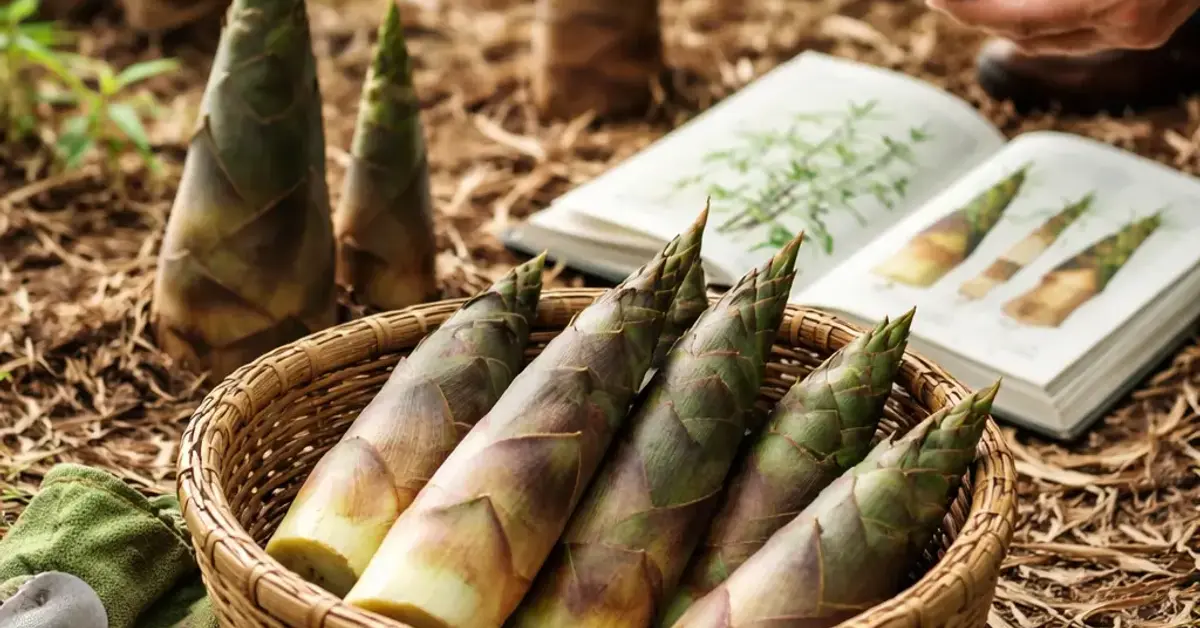
identifying edible bamboo shoots Key Takeaways
Foraging for bamboo shoots is a rewarding spring tradition, but eating the wrong species can lead to serious illness.
- Mistaking toxic species for safe ones is the #1 risk when identifying edible bamboo shoots ; know the key visual differences before you cut.
- Harvest timing and shoot size directly affect both safety and flavor—waiting too long produces bitter, tough shoots.
- Proper preparation neutralizes natural toxins found in even edible varieties, a step many new foragers skip.
What Makes identifying edible bamboo shoots So Tricky?
Bamboo is one of the fastest-growing plants on Earth, with over 1,400 species worldwide. While many produce edible shoots, a handful contain taxiphyllin, a cyanogenic glycoside that releases hydrogen cyanide when the raw plant tissue is damaged. Incorrectly identifying edible bamboo shoots can mean the difference between a delicious seasonal harvest and a trip to the emergency room. Experienced foragers agree: knowing exactly which species grow in your region and how to distinguish them from look-alikes is the foundation of safe foraging. For a related guide, see Boiling Bamboo Shoots: Avoid Toxicity With Proven Times and Doneness Tests.
Why Most Mistakes Happen
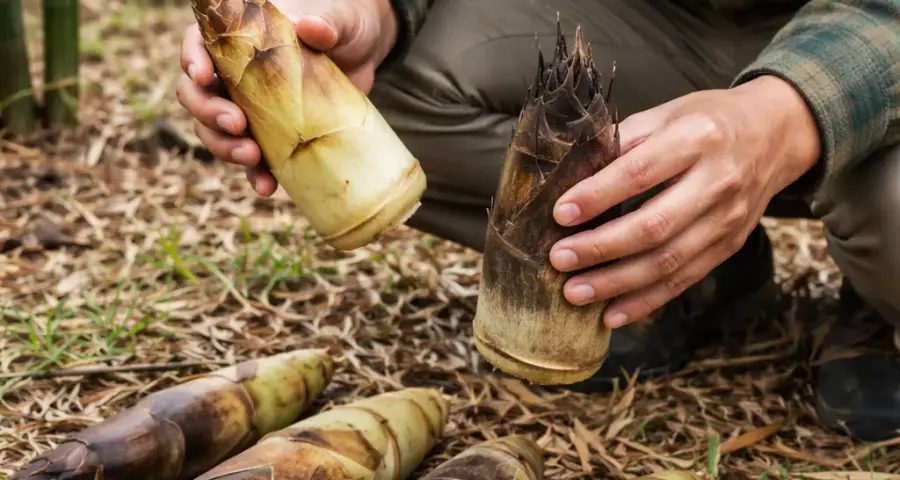
New foragers often assume all bamboo shoots are safe because bamboo is a common food in Asian cuisines. But many ornamental species sold in nurseries—such as certain Phyllostachys varieties with high cyanide levels—are not intended for consumption. Relying on appearance alone, without checking shoot color, sheath pattern, and stem node arrangement, leads to dangerous misidentification. For a related guide, see How to Harvest Bamboo Shoots Without Killing the Parent Plant: 5 Safe Steps.
The Top 5 Risky Mistakes in identifying edible bamboo shoots
These are the most frequent and hazardous errors foragers make. Avoid each one to keep your harvest safe.
Mistake #1: Confusing Toxic Ornamental Species with Edible Ones
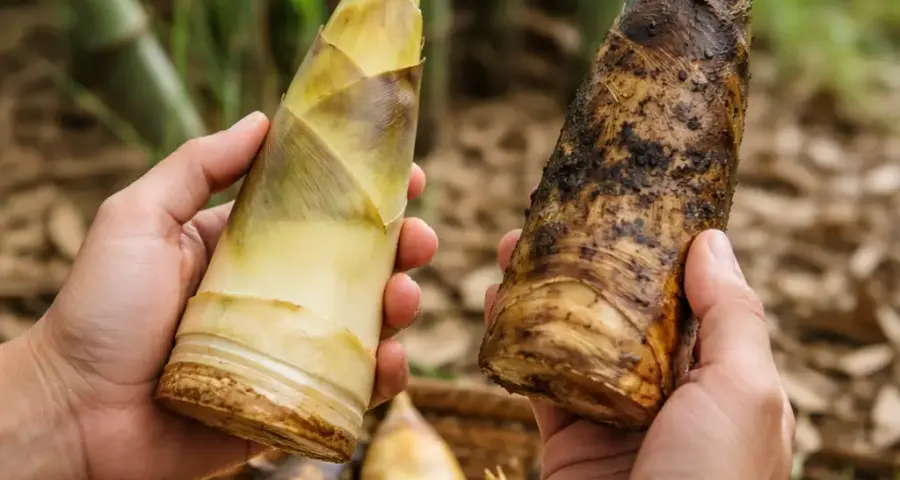
The most dangerous mistake is picking shoots from species like Bambusa vulgaris (common bamboo) or certain Dendrocalamus species that contain high levels of cyanide. Edible standby such as Phyllostachys edulis (Moso bamboo) and Phyllostachys dulcis (sweet bamboo) have smooth, hairless culm sheaths with a distinctive pattern, while toxic varieties often show a waxy bloom, dense hairs, or a purplish tint on the shoot tip. Always cross-reference with a reliable regional guide before harvesting.
Mistake #2: Harvesting Shoots That Are Too Tall
Edible bamboo shoots must be cut when they are still young and tender—ideally when they are less than 30 cm (12 inches) tall and the tip has not yet unfurled fully. Once the shoot exceeds 45 cm, the internal fiber toughens and the concentration of cyanogenic compounds can increase. Shoots that are taller than your knee are generally too old and potentially unsafe.
Mistake #3: Ignoring the Shoot’s Geographic Origin
Not all bamboo species grow in all climates. For example, Fargesia species, common in cold mountain regions, are rarely edible and often bitter or toxic. Meanwhile, clumping tropical species like Dendrocalamus asper require specific preparation. Research what grows locally and consult a US Forest Service guide to regional bamboo species before you head out.
Mistake #4: Relying on Smell or Taste Tests in the Field
Some foragers believe that a bitter or almond-like taste indicates a toxic shoot. In reality, the cyanide compounds in bamboo shoots are often tasteless or masked by other flavors. Never taste raw bamboo shoots to determine safety. The only reliable method is proper visual identification based on published botanical keys.
Mistake #5: Skipping the Boiling Process
Even shoots from fully edible species contain trace amounts of cyanide. Boiling fresh shoots in water for at least 20 minutes, then discarding the water, reduces these compounds to safe levels. Consuming raw or undercooked bamboo shoots can cause nausea, dizziness, and in extreme cases, respiratory failure. This step is non-negotiable for all foraged bamboo.
How to Correctly identify edible bamboo shoots Step by Step
Follow this three-step checklist to minimize risk during your next foraging trip.
Step 1: Study the Culm Sheath
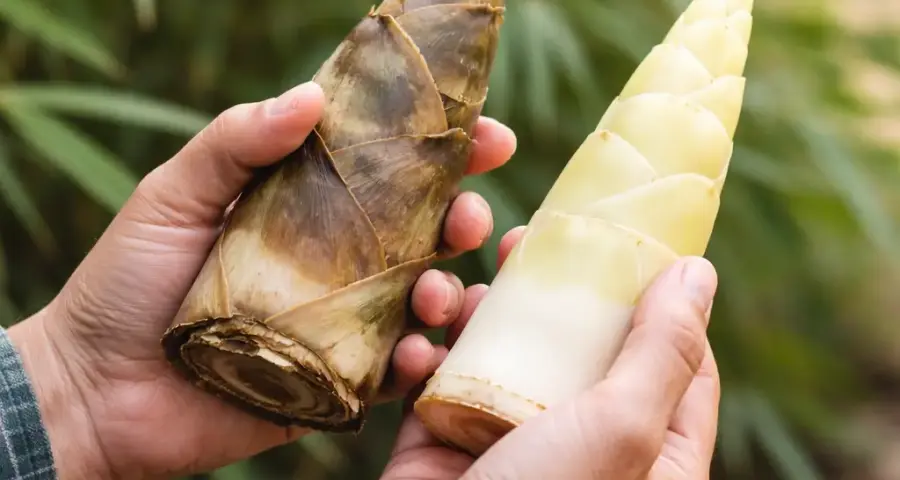
The protective sheath covering the shoot is your primary identification feature. Edible species typically have smooth, green to brown sheaths with a uniform, non-waxy surface. Toxic varieties often show a powdery bloom (like on a grape) or dense bristles. Take a photo and compare with a trusted field guide or app like iNaturalist.
Step 2: Check the Node Pattern
Cut a cross-section about 2 cm from the tip. Edible shoots have a solid, creamy interior with a characteristic star-shaped pattern of vascular bundles. Any shot that shows a hollow core or a dark, ringed pattern should be discarded immediately.
Step 3: Confirm the Species with a Second Source
Never rely on a single photo or memory. Use at least two independent references—such as a printed field guide and an online database—to confirm your identification. If in doubt, leave the shoot in the ground.
Safe Harvesting and Preparation Guidelines
Once you have correctly identified edible bamboo shoots, follow these handling rules to maintain safety and flavor.
| Step | Action | Why It Matters |
|---|---|---|
| Harvest | Cut shoots at ground level with a sharp knife when 15–25 cm tall. | Minimizes damage to the clump and ensures tender texture. |
| Clean | Remove all outer sheaths and rinse thoroughly with cold water. | Removes dirt, insects, and surface bacteria. |
| Boil | Submerge in boiling water for 20 minutes. Discard the water. | Destroys cyanogenic glycosides and softens fibers. |
| Store | Refrigerate boiled shoots in fresh water; change water daily. | Prevents spoilage; use within 5 days. |
Useful Resources
For deeper knowledge, refer to these authoritative sources:
- The Nature Conservancy: Bamboo Foraging Safety Tips — A practical overview of species to avoid and safe harvesting practices.
- FAO Guide to Bamboo Species and Their Uses — Comprehensive technical reference covering hundreds of edible and non-edible varieties worldwide.
Frequently Asked Questions About identifying edible bamboo shoots
identifying edible bamboo shoots correctly is a skill that improves with practice and careful study. By avoiding these five common mistakes, following a systematic identification process, and always cooking your harvest thoroughly, you can enjoy wild bamboo shoots safely throughout the season. For a related guide, see 7 Essential Tips for Safe Wild Rebung Cleaning in the Field.
Frequently Asked Questions About identifying edible bamboo shoots
Can you eat all types of bamboo shoots?
No. Only certain species produce shoots safe for human consumption. Many ornamental and tropical varieties contain toxic levels of cyanide.
What is the most common edible bamboo shoot?
Phyllostachys edulis, commonly known as Moso bamboo, is the most widely foraged edible shoot, especially in East Asia and North America.
How tall should bamboo shoots be when harvested?
Harvest shoots when they are 15 to 30 cm (6 to 12 inches) tall and still tightly wrapped in sheaths. Taller shoots become fibrous and more toxic.
What does a toxic bamboo shoot look like?
Toxic shoots often have a bluish or purplish tint, a waxy coating, dense hairs on the sheath, or a hollow center when cut crosswise.
Can you get sick from eating raw bamboo shoots?
Yes. Raw bamboo shoots contain cyanogenic glycosides that can cause nausea, headache, and respiratory distress. Always boil before eating.
How long should you boil bamboo shoots?
Boil shoots for at least 20 minutes in a large pot of water. Discard the water completely after boiling.
Is it safe to eat canned bamboo shoots?
Commercially canned bamboo shoots are pre-cooked and safe to eat without further boiling, but rinsing is recommended.
Can you eat bamboo shoots from your backyard?
Only if you positively identified the species as edible. Many bamboo varieties planted for landscaping are ornamental and unsafe.
What part of the bamboo plant is edible?
Only the young, tender shoots (the new growth that emerges from the ground) are edible. The mature stems and leaves are not.
How do you tell edible bamboo shoots from toxic ones?
Check the culm sheath color and texture, cut a cross-section to see the interior pattern, and confirm with a field guide or expert.
Are there any bamboo shoots that are always safe?
No species is 100% safe in all conditions. Even edible types require proper harvest timing and cooking to eliminate toxins.
Can you forage bamboo shoots in winter?
Bamboo shoots typically emerge in spring. Winter harvesting is not possible in temperate climates; shoots appear only during the growing season.
What tools do I need for foraging bamboo shoots?
A sharp knife or pruning saw, gloves (to protect from sharp sheaths), a basket, and a field guide or plant identification app.
Can eating too many bamboo shoots be harmful?
Even properly cooked shoots should be eaten in moderation. Overconsumption may cause digestive upset due to their high fiber content.
Do all bamboo shoot species need boiling?
Yes. All foraged bamboo shoots should be boiled to reduce naturally occurring toxins, regardless of species.
What is the best bamboo species for eating?
Phyllostachys dulcis (sweet bamboo) and Phyllostachys edulis (Moso) are two of the most flavorful and widely foraged edible species.
Can you freeze bamboo shoots after boiling?
Yes. After boiling and cooling, shoots can be frozen in airtight containers for up to six months.
How do bamboo shoots taste?
They have a mild, slightly sweet flavor with a crisp texture, similar to a cross between asparagus and water chestnut.
Are bamboo shoots keto-friendly?
Yes. Bamboo shoots are low in carbohydrates and calories, making them suitable for ketogenic and low-carb diets.
What should I do if I accidentally eat a toxic bamboo shoot?
Seek medical attention immediately. Symptoms can include burning in the mouth, nausea, dizziness, and difficulty breathing. Bring a sample of the shoot if possible.