
Fermenting Bamboo Shoots Key Takeaways
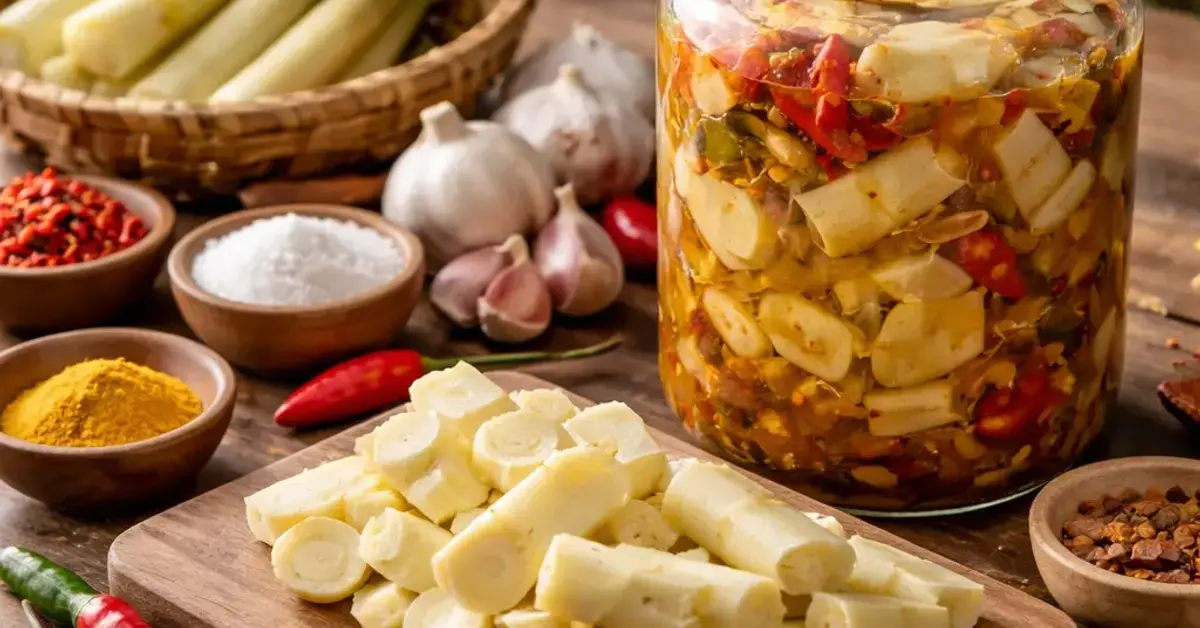
Fermenting bamboo shoots into rebung asin (salted) or rebung pedas (spicy) is a traditional Indonesian preservation method that transforms tender bamboo shoots into a tangy, umami-packed ingredient.
- Use fresh, young bamboo shoots for the best texture and to avoid bitterness in your fermenting bamboo shoots .
- Maintain proper salt concentration (2–3% by weight) to inhibit harmful bacteria while allowing beneficial lacto-fermentation.
- Store the fermentation jar in a cool, dark place (18–22°C) and burp it daily to release pressure and prevent spoilage.
Why Fermenting Bamboo Shoots Requires Careful Technique
Fermenting bamboo shoots is a time-honored practice in Indonesian kitchens, especially on Java and Sumatra. The process yields rebung asin (salty, mild) or rebung pedas (spicy with chili), both prized for their complex flavor and long shelf life. However, bamboo shoots contain natural toxins like taxiphyllin, a cyanogenic glycoside, that must be neutralized through proper preparation. Without the right approach, your batch can turn bitter, slimy, or even unsafe to eat. This guide walks you through the essential steps and the 7 mistakes to avoid for perfect results every time. For a related guide, see Sous-Vide Bamboo Shoots: 5 Mistakes to Avoid for Perfect Texture.
Mistake 1: Using Old or Wooden Bamboo Shoots
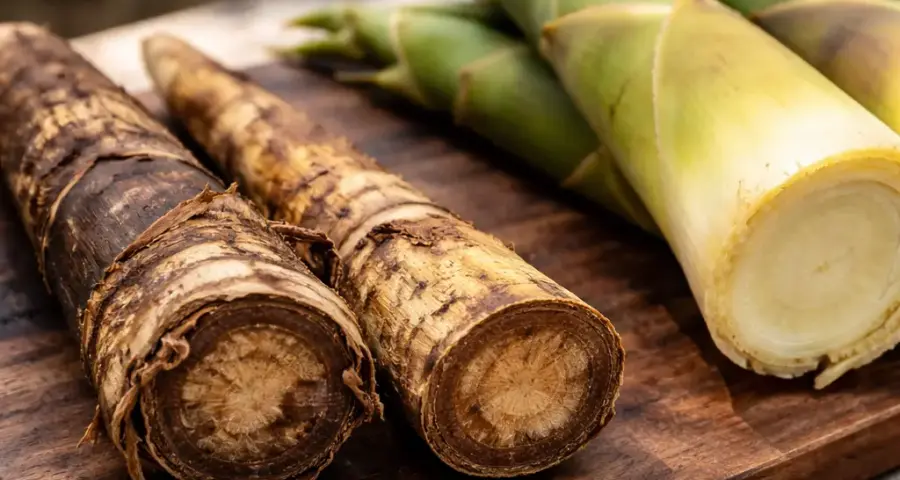
The foundation of successful fermenting bamboo shoots is fresh, young shoots. Old shoots become fibrous, bitter, and resistant to fermentation. Look for shoots with tightly closed tips, no browning, and a firm texture. If the shoot feels woody or has visible fibers, choose another batch. Young shoots, about 15–25 cm long, contain less of the bitter compound and ferment more evenly.
Mistake 2: Skipping the Pre-Boiling Step
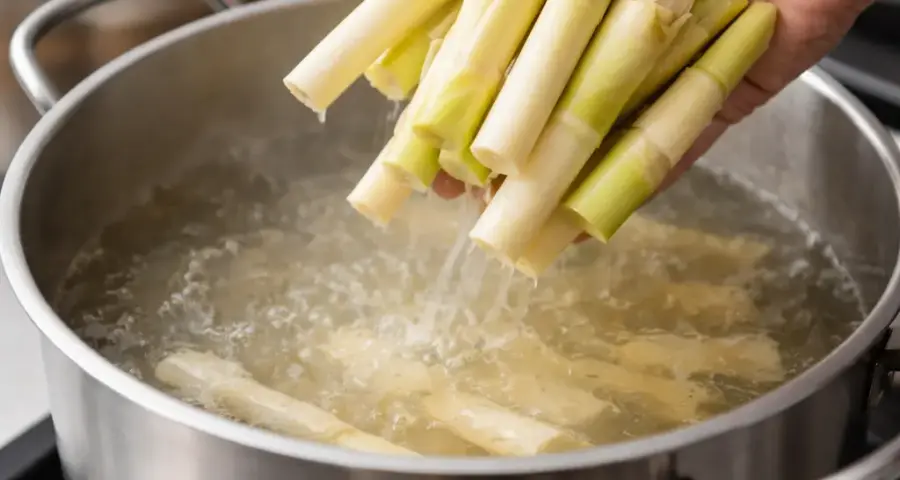
Raw bamboo shoots must be boiled to break down the cyanogenic glycosides. Slice the shoots thinly, then boil them in salted water for 10–15 minutes. Discard the water and rinse the shoots with cold water. This step also softens the shoots slightly, making them more receptive to the brine. Never skip this detoxification — it is non-negotiable for safety in fermenting bamboo shoots.
Mistake 3: Incorrect Salt Ratio for Brine
Salt is the key controller of fermentation. Too little salt invites mold and harmful bacteria; too much inhibits beneficial lactobacilli. For rebung asin, use 2–3% salt by weight of the prepared shoots (e.g., 20–30 grams of salt per kilogram of shoots). For rebung pedas, you can reduce salt slightly to 2% since the chili adds antimicrobial properties. Dissolve the salt in a small amount of warm water before mixing it with the shoots, or use a dry-salting method where you massage salt directly into the sliced shoots.
Mistake 4: Using Chlorinated Tap Water
Chlorine kills the beneficial bacteria needed for fermentation. Always use filtered, boiled-and-cooled, or bottled spring water when preparing your brine. If you must use tap water, let it sit uncovered for 24 hours to allow chlorine to evaporate. This small step dramatically improves the success rate of fermenting bamboo shoots.
Mistake 5: Packing the Jar Incorrectly
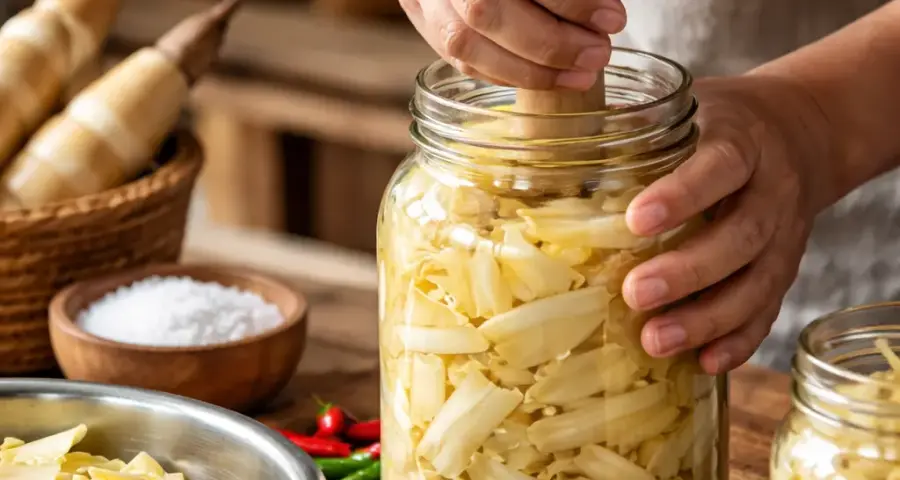
Proper packing ensures all shoots remain submerged under the brine, preventing mold. Use a wide-mouth glass jar or ceramic crock. Pack the shoots tightly, leaving about 2–3 cm of headspace. Pour the brine over the shoots until they are fully covered. Use a weight (a clean glass disk, a ziplock bag filled with brine, or a fermentation weight) to keep the shoots submerged. Air exposure is the #1 cause of surface mold.
Mistake 6: Fermenting at the Wrong Temperature
Temperature directly affects fermentation speed and flavor. Ideally, keep the jar at 18–22°C (65–72°F). Temperatures above 25°C can cause rapid fermentation, leading to off-flavors and a mushy texture. Below 15°C, fermentation stalls. Place the jar in a pantry or basement away from direct sunlight. If your climate is warm, consider shorter fermentation times (3–5 days) or using an air-conditioned space.
Mistake 7: Ignoring Signs of Spoilage
Even with perfect technique, spoilage can happen. Learn to recognize it early. Signs of spoilage include: an overpowering ammonia smell, visible black or green mold, slimy texture, or a soft, mushy consistency. A small amount of white kahm yeast (a dry, white film) is usually harmless — simply skim it off. But if the batch smells rotten or shows colored mold, discard it immediately. Always trust your nose.
Rebung Asin vs Rebung Pedas: Making Your Choice
Once you master the basic fermenting bamboo shoots technique, you can customize the flavor. Rebung asin uses only salt and water, producing a clean, salty-tangy profile that works well in stir-fries and soups. Rebung pedas adds fresh red chilies, bird’s eye chilies, and sometimes garlic or ginger to the brine. The chili not only adds heat but also contributes antimicrobial compounds, helping preserve the shoots. Both varieties ferment beautifully in 5–7 days at room temperature. Taste daily after day 4 — when the shoots have a pleasant sourness and still retain some crunch, they are ready.
Serving Suggestions for Fermented Bamboo Shoots
Fermented bamboo shoots shine in Indonesian dishes. Use rebung asin in sayur lodeh (coconut milk vegetable stew), tumis rebung (stir-fried shoots with shrimp paste), or as a filling for lumpia. Rebung pedas is excellent as a side dish with steamed rice and fried tempeh, or spooned over grilled fish. Refrigerate after fermentation — it will keep for 2–3 months in the fridge. The flavor continues to develop over time. For a related guide, see Harvest Wild Rebung Indonesia: Best Season and Timing Guide.
Useful Resources
For more depth on Indonesian fermented foods, including safety guidelines and regional variations, consult these authoritative sources:
- ScienceDirect: Cyanogenic Glycosides in Bamboo Shoots — Explains the toxic compounds and how cooking neutralizes them.
- Fermentation Association: Lacto-Fermentation Basics — Covers salt ratios, brine preparation, and troubleshooting for all fermented vegetables.
Frequently Asked Questions About Fermenting Bamboo Shoots
Is it safe to eat raw bamboo shoots after boiling?
No, bamboo shoots must be boiled before any further processing, including fermentation. Raw shoots contain cyanogenic glycosides that can cause digestive upset. Boiling for 10–15 minutes breaks down these compounds, making the shoots safe.
How long does it take to ferment bamboo shoots into rebung asin?
At room temperature (18–22°C), fermentation typically takes 5–7 days. Warmer temperatures speed it up, but you risk off-flavors. Taste daily after day 4 — stop when the shoots are pleasantly tangy but still crisp.
What salt is best for fermenting bamboo shoots?
Use non-iodized salt like sea salt, kosher salt, or pickling salt. Iodized salt can inhibit fermentation and cause discoloration. Avoid table salt with anti-caking agents.
Can I use a plastic container for fermentation?
Glass or ceramic is best. Plastic can absorb flavors, scratch easily (harboring bacteria), and may leach chemicals. If you must use food-grade plastic, ensure it is BPA-free and used only for fermentation.
Why does my rebung asin smell bad?
A strong ammonia or rotten egg smell indicates spoilage. Discard the batch. Common causes: too little salt, insufficient submersion, or contamination from unclean equipment. Review your technique and start fresh.
Can I ferment bamboo shoots without salt?
No, salt is essential to select for beneficial bacteria and inhibit pathogens. Salt-free fermentation is risky with bamboo shoots due to their natural toxins and low acidity. Stick to the recommended 2–3% salt ratio.
What is the difference between rebung asin and rebung pedas?
Rebung asin is fermented with only salt and water, resulting in a mild, salty-tangy flavor. Rebung pedas includes fresh chilies (and sometimes garlic or ginger) in the brine, adding heat and complexity.
How do I store fermented bamboo shoots after opening?
Keep the jar refrigerated and ensure the shoots remain submerged in the brine. Use a clean utensil each time you remove some. Properly stored, they stay good for 2–3 months.
Can I reuse the brine for a new batch?
It is not recommended. The brine contains live bacteria but also potential contaminants from the first batch. Fresh brine ensures consistent salt concentration and reduces contamination risk.
Do I need to burp the jar during fermentation?
Yes, burping (opening the lid briefly each day) releases carbon dioxide buildup, preventing pressure explosions. If you use an airlock, you can skip burping, but check the water seal weekly.
Why are my bamboo shoots still bitter after fermentation?
Bitterness usually comes from old or improperly boiled shoots. Always use young shoots and boil them thoroughly. If bitterness persists, increase the pre-boil time or change the water halfway through boiling.
Can I add spices like turmeric or lemongrass?
Yes, whole spices (not powdered) can be added for flavor. Turmeric, lemongrass, and bay leaves are common. Avoid adding fresh garlic or ginger in large quantities, as they can encourage mold. Add them after fermentation if desired.
What is kahm yeast and is it dangerous?
Kahm yeast is a white, dry film that forms on the surface of fermented foods. It is harmless but can impart a yeasty off-flavor. Skim it off promptly and ensure the brine level is adequate to prevent reoccurrence.
How do I know if my fermentation is working correctly?
You should see bubbles forming within 24–48 hours, indicating active fermentation. The brine may become slightly cloudy, and the shoots will develop a pleasant sour aroma. If no bubbles appear after 3 days, check your salt ratio and temperature.
Can I ferment bamboo shoots in a vacuum-sealed bag?
Yes, vacuum-sealed fermentation is possible but less common. It reduces oxygen exposure and the need for brine submersion. However, it requires precise salt measurement and is harder to monitor for spoilage.
Is it safe to eat fermented bamboo shoots during pregnancy?
Fermented foods are generally safe if prepared hygienically and consumed in moderation. However, pregnant women should ensure the shoots were thoroughly boiled before fermentation to eliminate toxins. Consult a healthcare provider if uncertain.
Can I ferment bamboo shoots with other vegetables?
Yes, you can add carrots, green beans, or cabbage to the same brine for a mixed ferment. Keep in mind that different vegetables have different densities and may require slightly different fermentation times.
Why did my ferment turn pink?
A pink or red discoloration on the surface is usually a sign of yeast or bacterial contamination. It is often harmless but indicates the brine level was low or the container was not clean. Skim the pink layer off; if it returns, discard the batch.
Can I make rebung asin without refrigeration after fermentation?
Fermented bamboo shoots will continue to ferment and soften at room temperature. Refrigeration slows this process significantly. For long-term storage without refrigeration, you would need to can them after fermentation, following proper pressure canning guidelines.
What dishes use rebung asin and rebung pedas traditionally?
Rebung asin is a key ingredient in sayur lodeh and tumis rebung. Rebung pedas is often served fresh as a side dish with nasi liwet or alongside grilled fish. Both are popular in Javanese and Sundanese cuisine.