
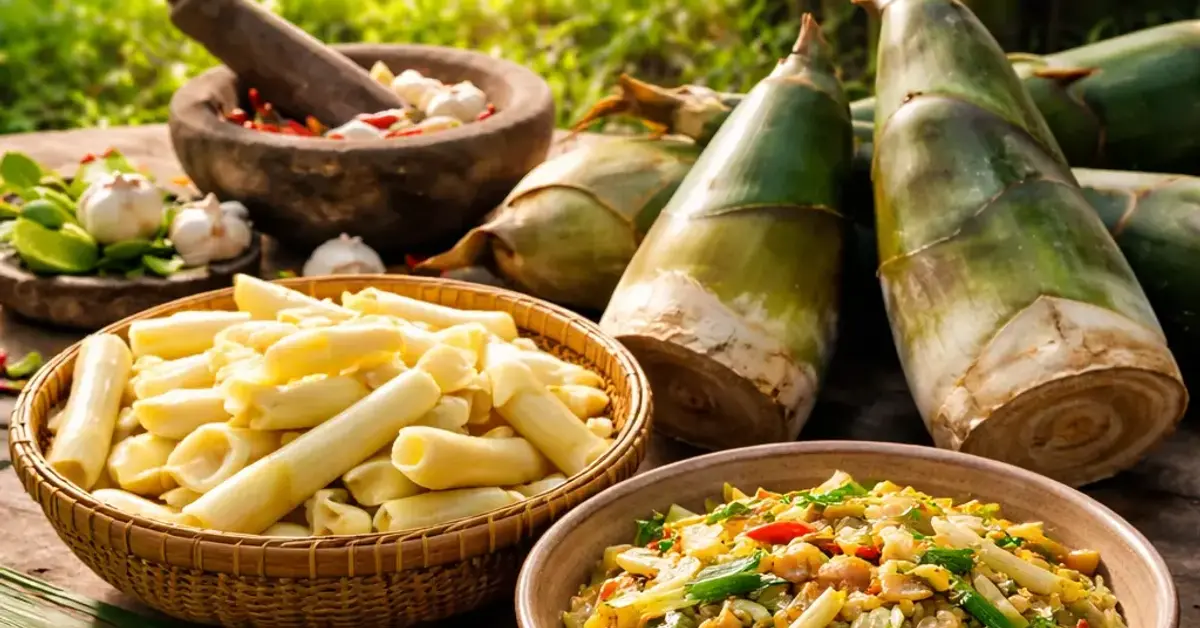
Rebung in East Nusa Tenggara Key Takeaways
Rebung in East Nusa Tenggara (bamboo shoots) is a cherished seasonal ingredient in traditional NTT cuisine .
- Always boil rebung for at least 20 minutes to eliminate cyanogenic compounds before cooking.
- The peak season runs from December to April, aligning with the rainy season in NTT.
- Popular local dishes include se’i babi with rebung and kuah asam rebung.
What Makes Rebung in East Nusa Tenggara Unique?
Bamboo shoots, known locally as rebung, grow abundantly across the islands of East Nusa Tenggara (NTT). Unlike the milder shoots found in Java, NTT’s bamboo varieties tend to have a slightly firmer texture and more pronounced earthy flavor. This makes them a perfect companion for the region’s bold, smoky, and spice-forward dishes. For a related guide, see 7 Essential Minangkabau Rebung Dishes You Must Try.
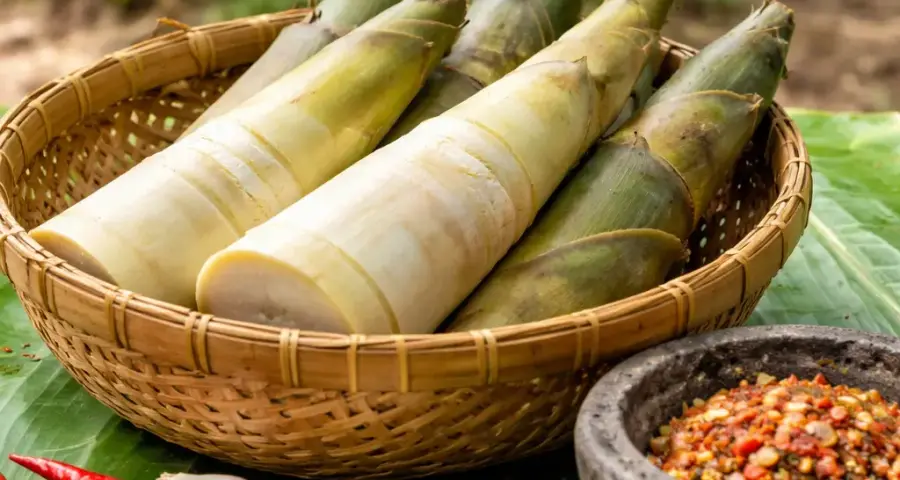
In NTT, rebung is more than just a vegetable. It is a symbol of the rainy season and a key ingredient in many traditional ceremonies. Families gather to harvest, prepare, and preserve rebung, passing down techniques from one generation to the next. For travelers and food lovers, understanding this ingredient opens a window into the heart of NTT’s culinary heritage.
Types and Harvesting Seasons for Bamboo Shoots in NTT
Several bamboo species grow in NTT, each producing shoots at slightly different times. The most common varieties include Dendrocalamus asper (bambu betung) and Bambusa vulgaris (bambu ampel). The shoots of betung are prized for their large size and crisp texture, while ampel shoots are smaller and more tender. For a related guide, see Rebung Storage: Month‑by‑Month Guide for Year‑Round Use.
Peak Season and Harvesting Tips
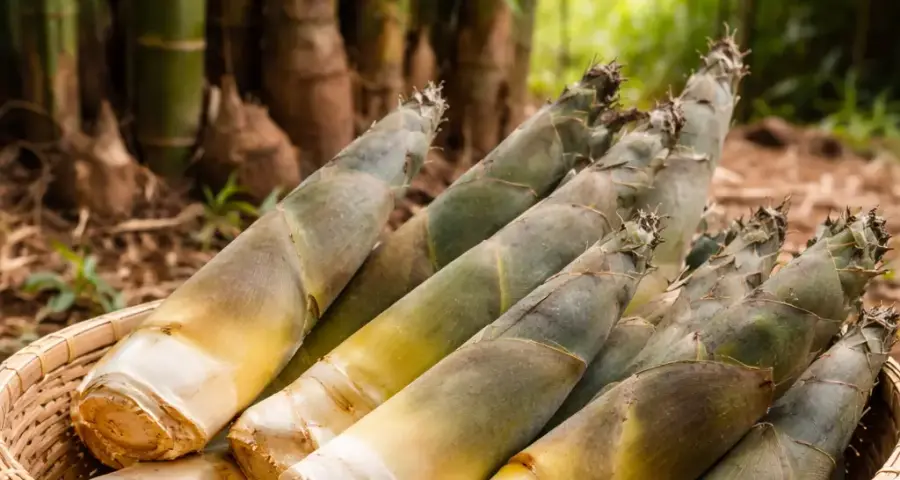
The rebung NTT season typically begins with the first rains in December and lasts until April. During this window, local markets overflow with fresh shoots. Harvesting is done early in the morning before the shoots break the soil surface, ensuring maximum tenderness.
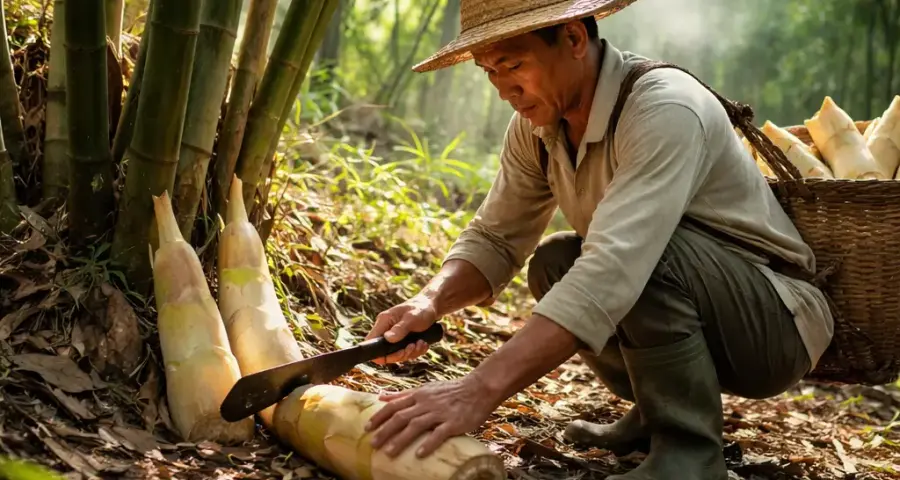
When selecting fresh rebung, look for shoots that are firm, tightly layered, and free from blemishes. The cut end should appear moist, not dry or discolored. Avoid shoots with a sour or ammoniacal smell, as these indicate spoilage.
| Bamboo Species | Common Name | Texture | Best Use |
|---|---|---|---|
| Dendrocalamus asper | Bambu betung | Firm, crunchy | Curries, stir-fries |
| Bambusa vulgaris | Bambu ampel | Tender, soft | Salads, soups |
Traditional Preparation Methods to Ensure Safety
Raw bamboo shoots contain cyanogenic glycosides, which can release hydrogen cyanide when consumed. In NTT, locals have perfected simple yet effective methods to neutralize these toxins. The most critical step is extended boiling.
Step-by-Step: Boiling and Soaking
First, peel away the tough outer layers and slice the tender inner shoot into thin strips or chunks. Boil the slices in a large pot of water for at least 20 minutes. Discard the water, then soak the shoots in cold water for another 10 minutes. This double process removes bitterness and renders the shoots completely safe to eat.
Some households in NTT add a handful of salt or a piece of tamarind to the boiling water. This is believed to further reduce bitterness and add a subtle tang. After soaking, drain the shoots and pat them dry before using them in any rebung recipe Indonesia.
Fermentation: A Traditional Preservation Technique
In parts of Flores and Timor, women ferment boiled rebung in earthenware jars with salt and rice washing water. This process produces a sour, umami-rich condiment called rebung asin. It can be stored for months and is used to flavor stir-fries and stews when fresh shoots are out of season.
Nutritional Benefits of Rebung for Local Communities
Bamboo shoots East Nusa Tenggara are not only delicious but also highly nutritious. They are low in calories and fat, making them an excellent choice for a healthy diet. A 100-gram serving provides about 2.6 grams of dietary fiber, which supports digestion and helps maintain stable blood sugar levels.
Rebung is also a good source of potassium, vitamin B6, and copper. Potassium helps regulate blood pressure, while B6 supports brain health and energy metabolism. The shoots contain antioxidants that combat oxidative stress, which is especially valuable in rural communities where access to a variety of fresh produce can be limited.
Popular Local Dishes Featuring Rebung in NTT
NTT’s cuisine is known for its bold use of chili, garlic, and smoky flavors. Rebung fits perfectly into this profile. Here are three iconic dishes that showcase the ingredient.
Se’i Babi with Rebung
Se’i babi is smoked pork from the Rote and Timor regions. When sliced and stir-fried with boiled rebung, chili, and candlenut, it creates a rich, smoky stir-fry that is a Sunday lunch staple in many families. The crunch of the shoots contrasts beautifully with the tender pork.
Kuah Asam Rebung
This sour tamarind soup is a comforting dish enjoyed across the archipelago. In NTT, cooks add fresh or fermented rebung along with fish, okra, and a touch of turmeric. The shoots absorb the tangy broth, offering a burst of flavor in every bite.
Rebung Tumis Pedas
A simple stir-fry of rebung with bird’s eye chili, garlic, and shrimp paste. This is a quick weekday meal that highlights the natural texture of the shoot. Served with steamed rice and fried ikan teri (anchovies), it is a beloved everyday dish throughout NTT.
Where to Find and Buy Rebung in NTT
Fresh rebung in East Nusa Tenggara is easiest to find in traditional markets during the rainy season. In Kupang, the Oebobo Market and Inpres Market are excellent spots. On Flores, the markets in Ende and Maumere often have large piles of freshly harvested shoots in the early morning.
During the dry season, look for pre-cut, vacuum-sealed rebung in supermarkets such as Hypermart in Kupang. Fermented rebung asin is sold by weight in many pasar tradisional and can be found year-round. If you are traveling to NTT, ask your homestay host or local guide to point you to the nearest market—they will likely offer to take you there.
Cooking Tips and Proper Storage for Rebung
To get the best out of your rebung, follow these practical tips. Always pre-boil and soak the shoots, even if the package says “ready to cook.” Additional boiling ensures any residual bitterness is gone. Do not overcook after the initial boil; add the shoots to your dish in the last 5–10 minutes of cooking to maintain a pleasant bite.
Storage Guidelines
Fresh, unpeeled shoots can be kept in the refrigerator for up to one week. Wrap them loosely in a damp cloth and place them in the crisper drawer. Once peeled and boiled, store the shoots in a sealed container covered with cold water. Change the water daily, and use the shoots within four days. For longer storage, blanch and freeze the shoots in airtight bags for up to three months.
Avoiding Common Mistakes
Do not skip the initial boiling step—eating raw or undercooked rebung can cause stomach discomfort. Also, avoid using aluminum cookware when boiling shoots, as the tannins can cause discoloration and a metallic taste. Stick to stainless steel or enamel pots.
Useful Resources
For more on the nutritional profile of bamboo shoots, refer to the USDA FoodData Central database. To explore traditional NTT cooking methods, the blog Jejak Jalanan offers authentic recipes and travel stories from the region.
Appreciating rebung in East Nusa Tenggara means embracing centuries of wisdom in food preparation and a deep connection to the land. When you taste a perfectly cooked shoot—crunchy yet tender, infused with chili and smoke—you understand why locals treasure this humble ingredient. Whether you are exploring the markets of Kupang or cooking at home, let these tips guide you toward a safe and delicious experience.
Frequently Asked Questions About Rebung in East Nusa Tenggara
Is rebung safe to eat raw?
No, raw bamboo shoots contain cyanogenic glycosides that can release hydrogen cyanide. Always boil them for at least 20 minutes before consumption.
What is the peak season for rebung in NTT?
The peak season runs from December to April, during the rainy months when shoots grow most rapidly.
How can I tell if rebung is fresh?
Fresh shoots are firm, tightly layered, and odorless. The cut end should be moist but not slimy or discolored.
What is fermented rebung?
Fermented rebung, or rebung asin, is boiled bamboo shoots preserved in salt and rice washing water. It has a sour, umami flavor and can be stored for months.
Which bamboo species are used for rebung in NTT?
The most common species are Dendrocalamus asper (bambu betung) and Bambusa vulgaris (bambu ampel), each offering different textures.
Can rebung be frozen?
Yes, after boiling and draining, rebung can be frozen in airtight bags for up to three months.
How do I remove the bitterness from rebung?
Boil the shoots for 20 minutes, discard the water, then soak in cold water for 10 minutes. Adding salt or tamarind during boiling helps further reduce bitterness.
What are the health benefits of eating rebung?
Rebung is low in calories, high in fiber, and rich in potassium, vitamin B6, copper, and antioxidants. It supports digestion, heart health, and immune function.
What is se’i babi with rebung?
It is a traditional NTT dish of smoked pork stir-fried with boiled rebung, chili, and candlenut, known for its smoky and spicy flavor profile.
Is rebung commonly used in NTT soups?
Yes, kuah asam rebung is a popular sour soup made with tamarind, fish, okra, and rebung, often served as a comforting meal.
Where can I buy fresh rebung in Kupang?
Visit Oebobo Market or Inpres Market in Kupang. These traditional markets have large supplies during the rainy season.
How long does fresh rebung last in the fridge?
Unpeeled shoots last up to one week in the refrigerator. Peeled, boiled shoots should be submerged in water and used within four days.
Can I use canned bamboo shoots instead of fresh rebung?
Yes, canned shoots are pre-cooked and safe to eat. However, they lack the firm texture and earthy flavor of fresh NTT rebung.
What is the best cooking method for rebung?
Stir-frying and simmering in soups are the most common methods. The key is to pre-boil and then add shoots near the end of cooking to retain crunch.
Do I need to peel rebung before boiling?
Yes, remove the tough outer layers completely until you reach the pale, tender inner core. Then slice as desired.
Is rebung high in calories?
No, bamboo shoots are very low in calories—approximately 27 calories per 100 grams—making them ideal for weight management.
What does rebung taste like?
Rebung has a mild, slightly sweet flavor with a crunchy texture similar to water chestnuts. It absorbs the flavors of the dish it is cooked in.
Are there any risks of eating too much rebung?
When properly prepared, rebung is safe. Overconsumption of raw or undercooked shoots can cause digestive issues due to the cyanogenic compounds.
What is rebung tumis pedas?
It is a spicy stir-fry of boiled rebung with bird’s eye chili, garlic, and shrimp paste—a quick and beloved everyday dish in NTT.
How does NTT rebung differ from Javanese rebung?
NTT rebung tends to have a firmer texture and more pronounced earthy flavor, reflecting the local bamboo varieties and growing conditions.