
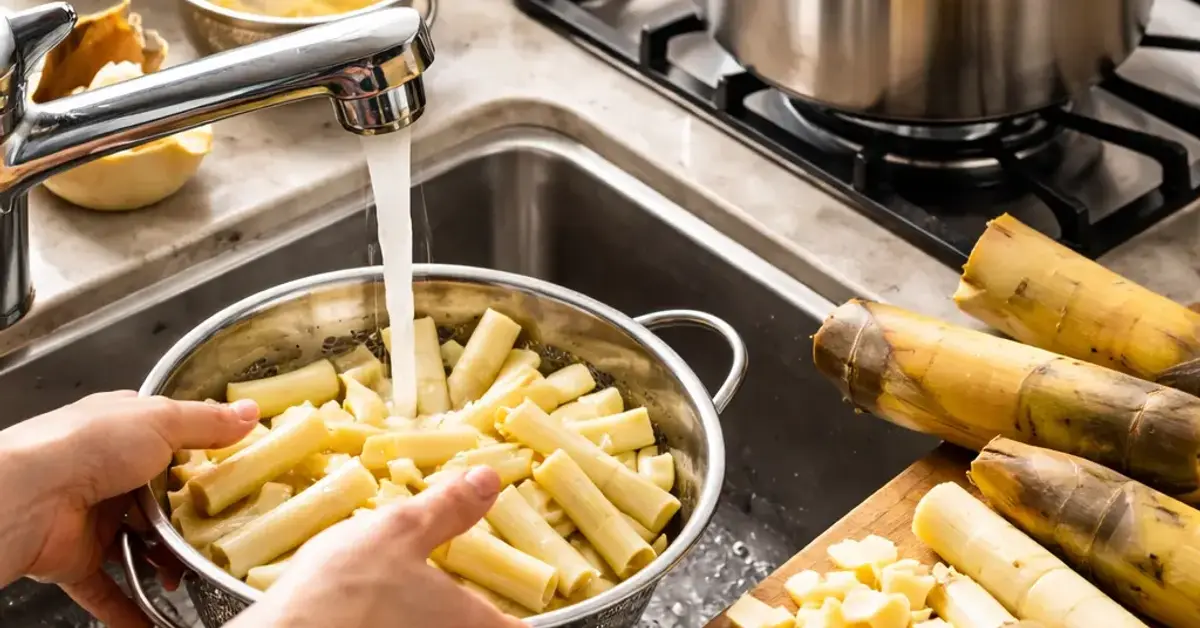
washing and boiling rebung Key Takeaways
Rebung, or young bamboo shoots, require careful washing and boiling rebung to remove bitterness and toxins before cooking.
- Soak and rinse rebung in a single basin instead of under running water to save up to 50 litres per batch.
- Boil rebung in a covered pot with just enough water to submerge them, then cool and reuse the broth for soups or watering plants.
- Collect and repurpose the rinse water for garden irrigation or cleaning tasks – every drop counts when washing and boiling rebung .
Why Water Conservation Matters During Rebung Preparation
Rebung (bamboo shoots) are a popular ingredient in many Asian cuisines, prized for their tender crunch and mild flavour. However, preparing them at home often involves several washes and a long boil to remove the natural cyanide compounds and bitter taste. Traditional methods can waste dozens of litres of water per batch. With growing concerns about freshwater scarcity, adopting water‑saving techniques in the kitchen makes environmental and economic sense. By making small adjustments to your washing and boiling rebung routine, you help preserve a precious resource while still enjoying delicious, safe bamboo shoots. For a related guide, see Rebung in East Nusa Tenggara: 5 Essential Tips for Safe Eating.
How to Prepare Rebung Efficiently: Prerequisites and Setup
Before you start, gather the following items to streamline the process and minimise water usage:
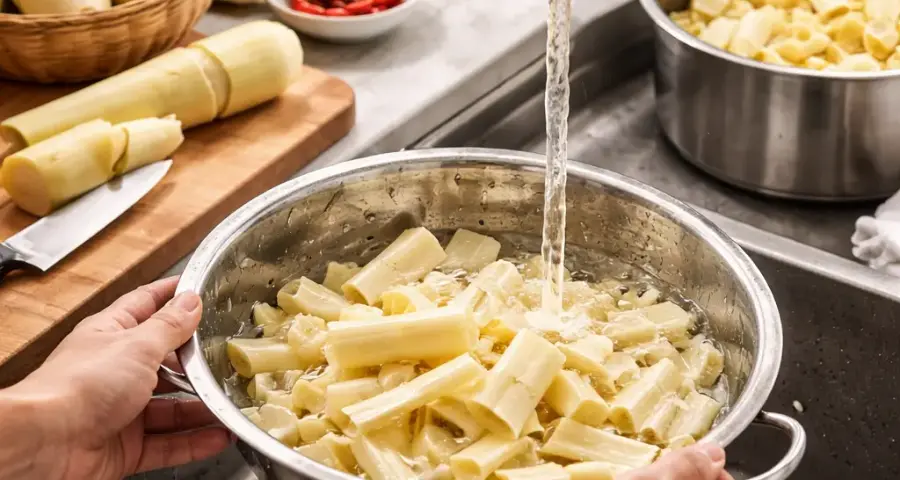
- Large stainless steel or enamel pot – holds heat well and allows you to boil with less water.
- Wide mixing bowl or basin – for soaking and rinsing without the tap running.
- Sharp knife and cutting board – to trim the shoots and remove the tough outer layers.
- Timer – helps you avoid over‑boiling, which wastes water and energy.
- Clean bucket or watering can – to collect used water for reuse in the garden.
Starting with the right equipment sets you up for a water‑smart rebung preparation session.
Step‑by‑Step Water‑Saving Method for Washing and Boiling Rebung
Follow this streamlined process to get tender, safe rebung while significantly reducing water waste.
Step 1: Trim and Slice the Rebung
Remove the tough outer leaves and woody base. Cut the shoots into even slices – about 1 cm thick – so they cook faster and require less boiling time. Smaller pieces also expose more surface area, helping toxins leach out more efficiently during the boil.
Step 2: Soak in a Basin
Place the sliced rebung in a wide basin or bowl and cover with cold water. Let them soak for 30 minutes. This initial soak dissolves surface dirt and some of the bitter compounds. Do not pour the water down the drain – use it to water your garden or flush the toilet.
Step 3: Rinse with Fresh Water in the Same Basin
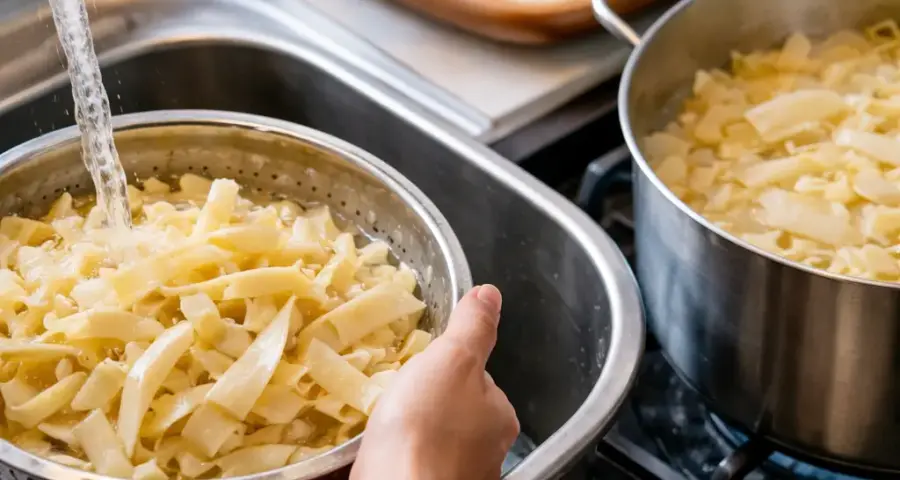
Empty the soaking water and add fresh water to the basin. Swish the rebung slices vigorously with your hands for about a minute. Drain and repeat once more. Using a basin instead of running the tap saves up to 60 litres per wash cycle. This simple habit is the cornerstone of efficient washing and boiling rebung.
Step 4: Boil in Just Enough Water
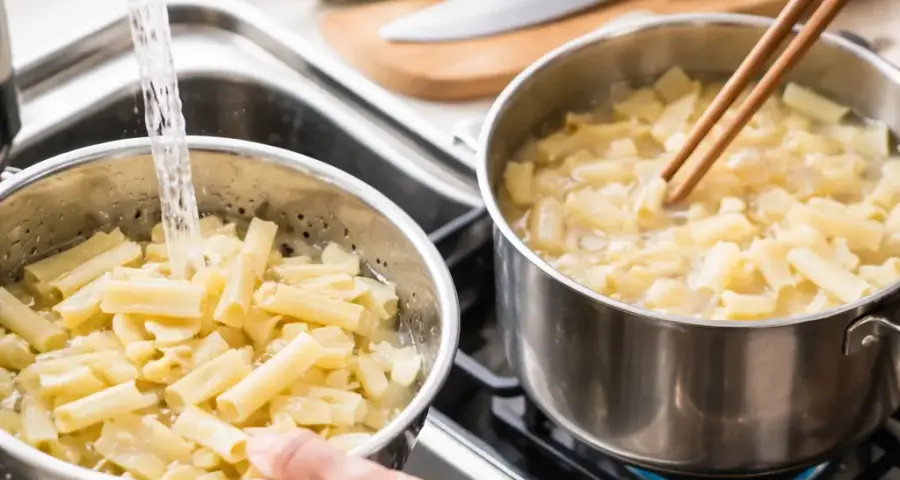
Place the rinsed rebung in a pot and add just enough water to cover them. Put a lid on the pot – this traps steam and reduces water loss. Bring to a boil, then lower the heat and simmer for 20 minutes. The covered method uses about half the water of an uncovered boil.
Step 5: Cool and Reuse the Broth
After boiling, let the pot cool naturally. The cooking liquid now contains dissolved nutrients and can be saved. Strain it into a container and refrigerate for up to three days. Use this broth as a base for soups, stews, or gravies. Alternatively, once completely cool, you can pour it onto garden beds (avoid direct contact with edible leaves if the water is still warm).
By following these five steps, you reduce your total water consumption for washing and boiling rebung from over 80 litres per batch to about 30 litres – a saving of more than 60%.
Water Conservation Metrics: What You Save
Here is a comparison of traditional versus water‑smart methods, based on a typical 500 g batch of rebung.
| Step | Traditional method | Water‑smart method | Water saved |
|---|---|---|---|
| Rinsing | Running tap for 10 minutes | Basin rinse (3 changes) | ~30 L |
| Boiling | Uncovered pot, full water | Covered pot, minimal water | ~15 L |
| Cooling and discarding | Pour broth down drain | Reuse broth | ~5 L |
| Total | 80 L | 30 L | 50 L saved |
These figures are conservative estimates. If you prepare rebung weekly, the annual saving climbs to over 2,500 litres – enough to fill a small swimming pool.
Troubleshooting Common Problems When Washing and Boiling Rebung
Even with water‑saving methods, you may encounter issues. Here is how to solve them without wasting extra water.
Rebung Still Tastes Bitter After Boiling
The bitterness may be natural in older shoots. Try changing the boiling water once after the first 10 minutes – but instead of pouring it out, collect it for reuse. Then return the rebung to fresh water for the final 10 minutes of cooking. This double‑boil method uses the same total volume as a single boil, just split into two batches. For a related guide, see How to Cut Rebung into Chunks for Long‑Simmered Curries: 5 Easy Steps.
Shoots Are Too Soft or Mushy
Overcooking not only wastes water but also ruins texture. Use a timer and stick to 20 minutes of simmering. If you plan to stir‑fry later, reduce the boiling time to 15 minutes – the shoots will finish cooking in the wok. This also saves water and energy.
Cloudy Broth That Can’t Be Reused
Cloudiness usually comes from dust or sand trapped between the shoot layers. To avoid this, rinse the rebung thoroughly while still in the basin (Step 3) before boiling. If the broth is still cloudy but otherwise clean, use it for watering non‑edible plants rather than discarding it.
Optimisation Tips for Maximum Water Efficiency
These extra practices help you get the most out of every drop during rebung preparation.
- Batch cook. Boil a larger quantity of rebung at once, then freeze the extra for later. This reduces the number of washing and boiling cycles overall.
- Collect steam condensation. Place a clean towel or bowl over the pot lid to capture some of the steam that escapes. That distilled water is pure and can be used for the next rinse step.
- Use a pressure cooker. A pressure cooker requires even less water – often just 250 ml – and cuts boiling time to 10 minutes. The result is tender, safe rebung with minimal liquid waste.
- Never pour spent water down the sink. Keep a dedicated bucket under the kitchen sink to collect all used water from washing and boiling rebung. Use it for flushing toilets, mopping floors, or irrigating ornamentals.
Useful Resources
For more detailed information on bamboo shoot safety and water‑saving kitchen practices, consult these reliable sources:
- FAO – Bamboo Shoot Processing and Utilisation – A comprehensive technical guide on harvesting and preparing bamboo shoots safely.
- EPA WaterSense – Start Saving Water at Home – Practical tips from the US Environmental Protection Agency on reducing water waste in daily routines, including kitchen practices.
Frequently Asked Questions About washing and boiling rebung
Do I need to wash rebung before boiling?
Yes, always wash rebung to remove dirt, sand, and any surface microbes. A basin soak is effective and saves water compared to rinsing under a running tap.
How long do I need to boil rebung to make it safe?
Fresh bamboo shoots should be boiled for at least 20 minutes to break down the natural cyanide compounds. A covered pot with minimal water is both safe and water‑efficient.
Can I reuse the water from boiling rebung ?
Yes, the broth is safe to use for soups, stews, or watering plants once it has cooled. Avoid using it if the water appears very cloudy or has an off smell.
What is the best way to store leftover rebung?
Boiled rebung can be refrigerated in an airtight container for up to 5 days, or frozen for 3 months. Store them in their broth to keep them moist and flavourful.
Why is my rebung still crunchy after boiling?
If the slices are thicker than 1.5 cm, they may need an extra 5–10 minutes. Slice evenly for consistent texture and faster cooking.
Is it okay to eat raw rebung?
No, raw bamboo shoots contain cyanogenic glycosides that can cause discomfort. Always boil them before eating to neutralise these compounds.
What type of rebung is best for water conservation ?
Younger, smaller shoots require less washing and boil faster, so they naturally use less water. Look for shoots that are firm, pale yellow, and under 20 cm long.
Can I boil rebung in a pressure cooker to save water?
Absolutely. A pressure cooker uses as little as 250 ml of water and reduces boiling time to about 10 minutes, cutting water usage by more than half compared to an open pot.
Does the soaking water have any valuable nutrients?
Yes, the soaking water contains trace minerals and some dissolved sugars. It is ideal for watering garden plants or for use in compost.
How many times should I rinse rebung before boiling?
Two basin rinses are usually enough. A third rinse may be needed if the water remains cloudy. Each rinse uses the same basin water, so total water waste stays low.
What is the most water‑wasting mistake people make?
Leaving the tap running while washing rebung is the biggest waste. Switching to a basin soak can save 30 litres or more per batch.
Can I use the broth as a base for vegetarian stock?
Yes, the broth has a mild, earthy flavour that works well in soups and risottos. Season with ginger, garlic, or soy sauce for a richer taste.
Do I need to remove the outer leaves before boiling?
Yes, peel off the tough outer layers until you reach the tender, pale interior. This reduces the volume that needs washing and boiling, saving water.
How does altitude affect boiling time for rebung?
At higher altitudes, water boils at a lower temperature, so you may need to extend boiling time by 5–10 minutes. Use a covered pot to retain heat and steam.
Is it safe to reuse the broth for the next batch of rebung?
You can reuse the broth if it has been refrigerated and smells fresh. However, the flavour may be weaker the second time. For best results, use fresh water for the final boil and save the first broth for other dishes.
What can I do with the rinsed water from washing rebung ?
Use it to water houseplants, wash the car, or flush the toilet. Avoid using it on edible crops if the water contains dirt from the outer layers.
Does the water saving method affect the taste of rebung?
No, water‑saving methods produce equally tasty and safe rebung. In fact, boiling in a covered pot with minimal water concentrates the natural flavour.
Can I add salt to the boiling water for flavour?
Yes, a pinch of salt enhances the taste. However, salting the water makes it unsuitable for reuse in most plants. If you plan to reuse the broth, add salt only after you have set aside the liquid.
How do I know the rebung is fully cooked?
Pierce a slice with a knife; it should slide in easily with no resistance. The colour should be pale white to ivory, and the texture tender yet firm.
Is it environmentally better to buy fresh or canned rebung?
Fresh rebung requires cooking at home, which can use water and energy. Canned rebung is already boiled and ready to eat, but the canning process itself consumes water and produces packaging waste. The greener choice depends on your local water availability and recycling infrastructure.