
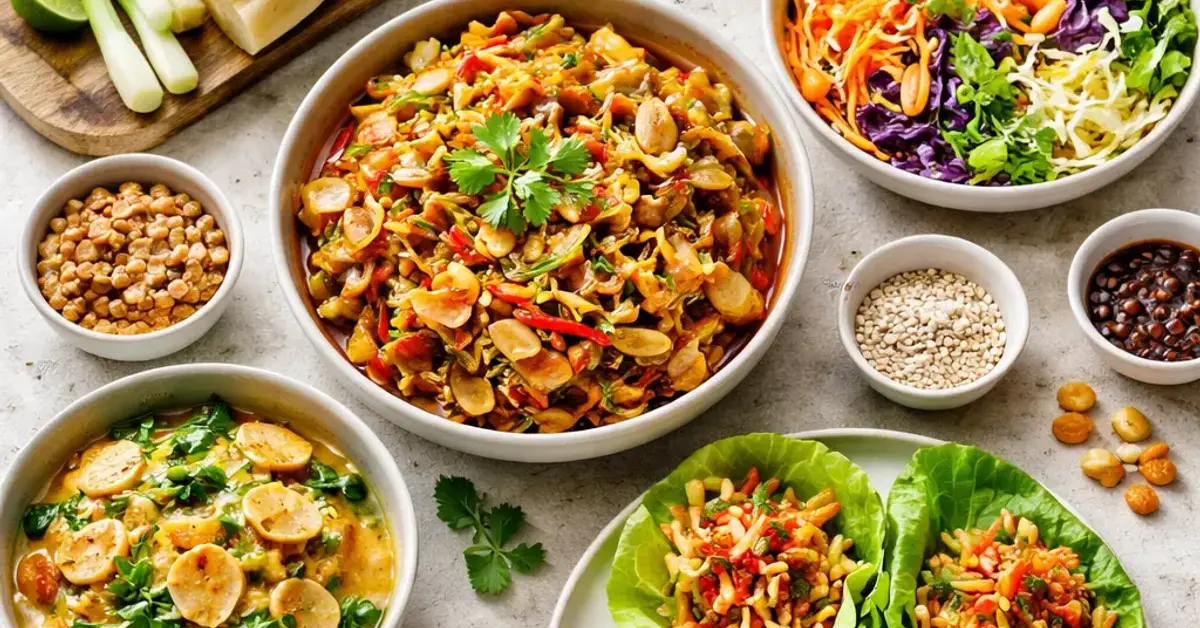
adjust rebung dishes for dietary restrictions Key Takeaways
Bamboo shoots, known as rebung in Southeast Asian kitchens, bring a crisp texture and mild earthy flavor to soups, stir-fries, and curries.
- To adjust rebung dishes for dietary restrictions , start with fresh or water-packed shoots to control sodium and additives.
- For gluten-free diets, replace soy sauce with tamari or coconut aminos and verify curry pastes are certified gluten-free.
- Vegan and low-carb adaptations are straightforward with plant-based proteins and keto-friendly thickeners.
Why Learning to Adjust Rebung Dishes for Dietary Restrictions Matters
Rebung is a star ingredient in many Asian dishes like sayur lodeh, bamboo shoot curry, and stir-fried rebung with chiles. As more people embrace specific eating patterns—whether for health, allergy, or ethical reasons—knowing how to adjust rebung dishes for dietary restrictions ensures everyone can enjoy these meals. Small ingredient changes keep the dish authentic while respecting new needs. For a related guide, see Herb Guide: Fresh vs. Dried Herbs – 5 Smart Tips for Better Rebung Recipes.
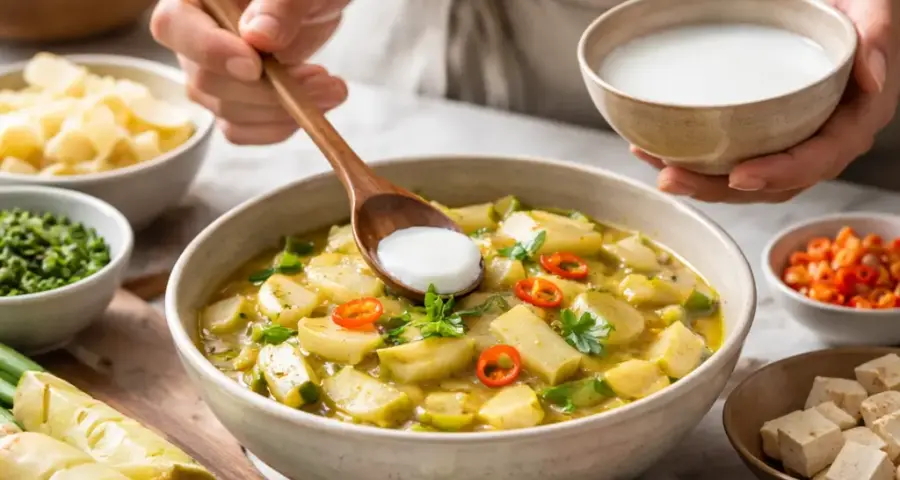
Gluten-Free Rebung Dishes: Substitutes That Work
Many rebung dishes rely on soy sauce, oyster sauce, or fermented bean pastes that contain wheat. The good news: gluten-free alternatives are widely available.
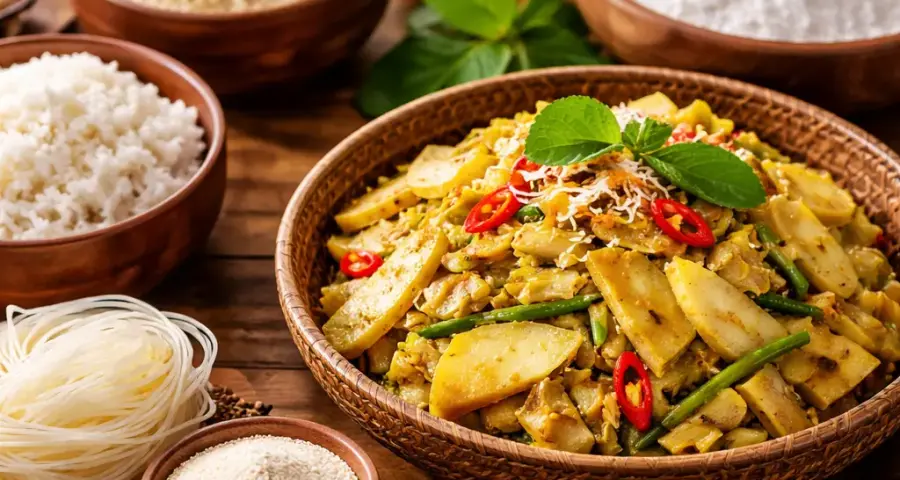
Swap Soy Sauce for Tamari or Coconut Aminos
Tamari is a Japanese soy sauce made with little to no wheat. Coconut aminos, made from fermented coconut sap, are naturally gluten-free and slightly sweeter. Use them in equal measure. For a saltier kick, add a pinch of sea salt.
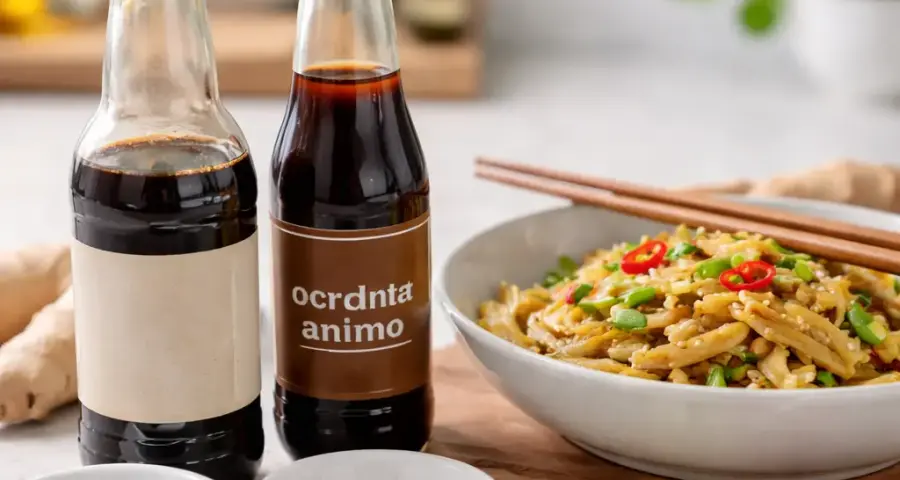
Check Curry Pastes and Stock Cubes
Prepared curry pastes and bouillon cubes often contain hidden gluten. Choose brands labeled “gluten-free” or make your own paste from scratch using fresh chiles, galangal, and spices. This also reduces additives and sodium.
Thicken Without Wheat Flour
If your rebung stew needs thickening, skip wheat flour. Use cornstarch, tapioca starch, or arrowroot powder mixed with cold water. Stir in at the end and simmer until glossy.
Low-Sodium Rebung Recipe Modifications
Traditional low-sodium rebung recipe adaptations start with ingredient selection. Canned bamboo shoots can be high in salt; fresh or vacuum-packed shoots are better. For a related guide, see 5 Essential Tips for Balancing Salt, Sweet, Sour, and Spicy in Rebung Dishes.
Use Fresh or Water-Packed Bamboo Shoots
Choose shoots packed in water with no added salt. Rinse them thoroughly before cooking to remove any residual brine. If using canned, rinse and blanch for one minute to lower sodium further.
Build Flavor with Aromatics Instead of Salt
Garlic, ginger, lemongrass, shallots, and fresh turmeric add depth without sodium. A squeeze of lime juice or a splash of vinegar brightens the dish naturally. For umami, add a small amount of no-salt-added miso paste or nutritional yeast.
Limit Salty Condiments
Replace regular fish sauce with a low-sodium version or skip it altogether. A dash of soy sauce alternative (low-sodium tamari) can still provide familiar flavor.
Vegan Bamboo Shoot Dish: Plant-Based Adaptations
Creating a vegan bamboo shoot dish is simple because rebung is naturally plant-based. The challenge is replicating richness from animal products.
Replace Meat with Tofu, Tempeh, or Mushrooms
Firm tofu or tempeh cubes hold up well in bamboo shoot curries. Shiitake mushrooms add an earthy, meaty texture. Pan-fry them before adding to the pot for extra depth.
Dairy-Free Creaminess
Coconut milk is a classic base for rebung curries and is already dairy-free. For soups, use cashew cream (soaked cashews blended with water) to achieve a silky texture without cream.
Vegan Fish Sauce Substitute
Look for vegan fish sauce made from seaweed and mushrooms, or mix soy sauce (or tamari) with a little seaweed broth. It adds the briny note many dishes need.
Low-Carb and Keto Rebung Dishes
Bamboo shoots are naturally low in carbs—about 2 grams of net carbs per 100 grams—making them ideal for low-carb and keto diets. Still, some traditional accompaniments need adjustment.
Swap High-Carb Ingredients
Replace potatoes or taro with cauliflower pieces. Instead of sugar, use a keto-friendly sweetener like monk fruit or allulose. For thickening, use xanthan gum or glucomannan powder sparingly.
Choose Fats Wisely
Coconut oil, avocado oil, or ghee (if not dairy-sensitive) provide healthy fats that keep you satiated. Avoid vegetable oils high in omega-6.
Watch the Coconut Milk
Full-fat coconut milk is keto-friendly, but “light” versions often contain added sugar or fillers. Read labels carefully.
Best Practices to Adjust Rebung Dishes for Dietary Restrictions
When you adjust rebung dishes for dietary restrictions, keep these strategies in mind:
- Start with the base ingredient: Always use fresh or plain water-packed bamboo shoots to avoid hidden sodium and preservatives.
- Read all labels: Sauces, stocks, and spice blends can contain gluten, sugar, or MSG. When in doubt, make your own.
- Build flavor in layers: Aromatics, herbs, and acid (lime, vinegar) compensate for reduced salt or animal products.
- Test and adjust gradually: Add seasonings in small increments, tasting as you go, especially when swapping multiple ingredients.
By following these methods, you can confidently modify any rebung dish to match gluten-free, low-sodium, vegan, or low-carb requirements.
Useful Resources
For more on gluten-free Asian cooking, visit the Celiac Foundation’s guide to gluten-free Asian cuisine.
For a deep dive into low-sodium ingredient swaps, the American Heart Association’s low-sodium tips offer practical advice.
Now that you know how to adjust rebung dishes for dietary restrictions, try one of these swaps in your next meal. Have a favorite adaptation? Share it in the comments—we’d love to hear how you make rebung work for your table.
Frequently Asked Questions About adjust rebung dishes for dietary restrictions
Can I use frozen bamboo shoots for dietary restriction cooking?
Yes, frozen bamboo shoots are a good option because they usually contain no added salt or preservatives. Thaw them fully before cooking and drain any excess moisture.
Are bamboo shoots naturally gluten-free?
Yes, fresh and plain water-packed bamboo shoots contain no gluten. The gluten risk comes from sauces, marinades, and seasonings added during cooking.
How do I make a low-sodium rebung curry?
Start with fresh bamboo shoots, use low-sodium vegetable broth, and season with garlic, ginger, lemongrass, and lime. Skip fish sauce and use a touch of low-sodium tamari if needed.
What is a good vegan substitute for fish sauce in rebung dishes ?
Mix 1 tablespoon of tamari (or soy sauce) with 1 teaspoon of seaweed flakes and a splash of water. Let it sit for 5 minutes before using. Many stores also sell bottled vegan fish sauce.
Can I eat bamboo shoots on a low-carb diet?
Yes, bamboo shoots are low in net carbs (about 2g per 100g) and fit well into most low-carb and keto meal plans.
Do I need to boil fresh bamboo shoots before cooking?
Yes, fresh bamboo shoots contain cyanogenic glycosides, which are neutralized by boiling for 20-30 minutes. This step is essential for safety and also reduces bitterness.
Are canned bamboo shoots already cooked?
Yes, canned shoots are pre-cooked. You can add them directly to recipes, but rinse them well to reduce sodium if you are on a low-sodium diet.
What can I use instead of coconut milk for a low-carb dish?
Full-fat coconut milk is already low-carb (about 2g net carbs per ¼ cup). For fewer calories, use unsweetened almond milk and add a tablespoon of coconut oil for richness.
How do I thicken a rebung stew without wheat flour?
Mix 1 tablespoon of cornstarch or arrowroot powder with 2 tablespoons of cold water. Stir it into the simmering stew and cook for 1–2 minutes until thickened.
Is oyster sauce gluten-free?
Traditional oyster sauce is often made with wheat flour as a thickener. Look for certified gluten-free oyster sauce or use a gluten-free stir-fry sauce instead.
Can I make rebung dishes ahead of time for meal prep?
Yes, most rebung dishes keep well in the fridge for 3–4 days. Store them in airtight containers and reheat gently on the stove or microwave.
What is the best oil for cooking bamboo shoots on a vegan diet?
Coconut oil, avocado oil, and grapeseed oil all have high smoke points and neutral flavors that work well with rebung.
How do I reduce bitterness in bamboo shoots?
Blanch or boil fresh shoots for 20 minutes, then drain. If bitterness persists, soak the cooked shoots in cold water for 30 minutes before using.
Can I use bamboo shoots in a gluten-free stir-fry?
Absolutely. Use tamari instead of soy sauce, and check any premade stir-fry sauce for hidden gluten. Add plenty of vegetables and your choice of protein.
What is a good low-carb replacement for potatoes in rebung soup?
Cauliflower florets, daikon radish, or chopped zucchini are excellent low-carb substitutes that absorb broth flavors well.
Are bamboo shoots safe for people with nightshade sensitivities?
Yes, bamboo shoots are not in the nightshade family (which includes tomatoes, peppers, and eggplant). They are generally well-tolerated by most people.
Can I use dried bamboo shoots for dietary restriction recipes?
Yes, but dried shoots need to be rehydrated in water for several hours or overnight. They often have a stronger flavor and may require longer cooking.
What should I look for on labels when buying prepared rebung dishes ?
Check for wheat, soy (if allergic), high sodium, added sugar, and MSG. Look for clear dietary labels like “gluten-free” or “low sodium.”
Can rebung be eaten raw in a salad?
Only young, tender shoots can be eaten raw after thorough cleaning. Most varieties require cooking to eliminate natural toxins and improve digestibility.
How do I store leftover cooked rebung dishes ?
Cool the dish to room temperature, transfer to an airtight container, and refrigerate for up to 4 days. Freeze for up to 3 months if needed.