
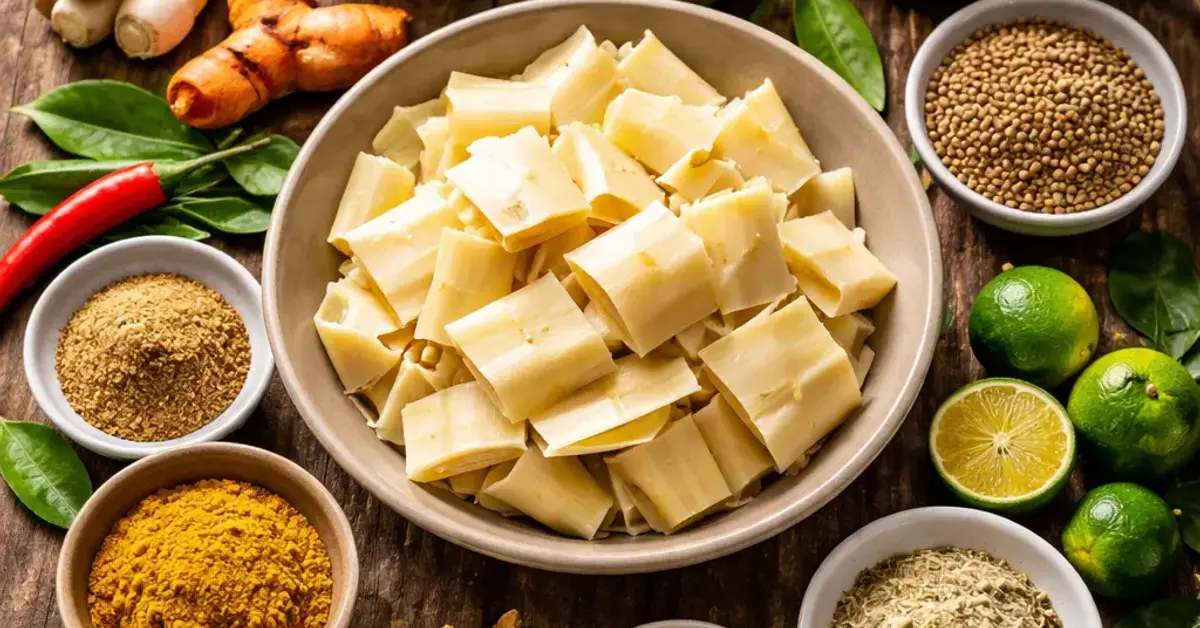
spice pairing for rebung Key Takeaways
Rebung—young bamboo shoots—offer a mild, slightly sweet crunch with subtle earthy bitterness.
- Rebung benefits from warm, aromatic spices that complement its natural sweetness and counter its mild bitterness.
- Turmeric, lemongrass, ginger, galangal, and cumin form the five foundational pairings for most Southeast Asian dishes.
- Mastering these combos unlocks versatile applications from curries and stir-fries to salads and pickles.
Understanding Rebung’s Flavor Profile Before Spice Pairing
Rebung, or young bamboo shoots, have a delicate flavor that is often misunderstood. When harvested young, they taste subtly sweet with a nutty undertone and a texture that remains tender-crisp even after cooking. The shoots also carry a faint earthy bitterness, especially if not properly prepared. This bitterness is not unpleasant—it adds depth—but it needs balancing. For a related guide, see 10 Rebung Mistakes to Avoid (And How to Fix Each One).
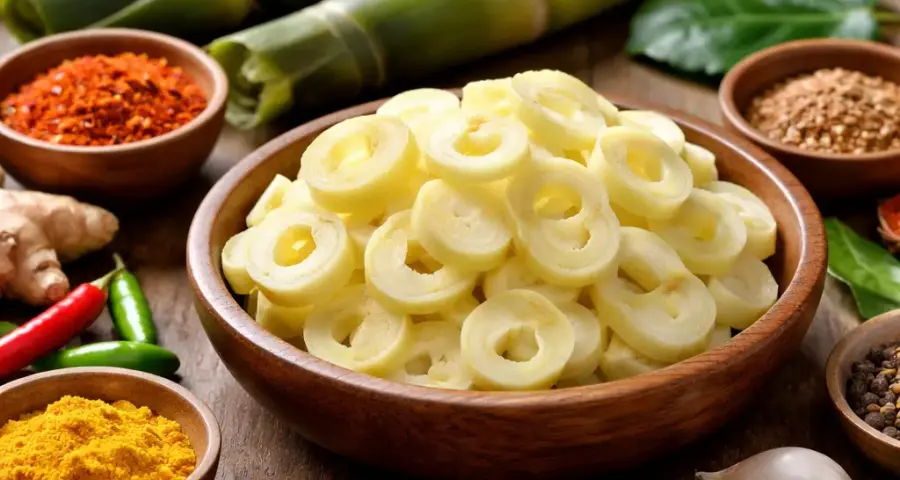
The texture of rebung absorbs surrounding flavors well, making it an ideal canvas for spices. However, its mildness means that heavy-handed seasoning can overwhelm it. The goal of any bamboo shoot seasoning guide is to enhance, not mask, the natural character of the shoot.
Fresh rebung is typically boiled or soaked before cooking to remove any residual bitterness and to soften the fibers. Once treated, the shoots are ready to absorb the aromatic compounds of your chosen spices. Understanding this base profile is the first step toward confident spice pairing for rebung.
5 Proven Spice Pairings for Rebung
Each pairing below has been tested across traditional Southeast Asian kitchens and modern fusion recipes. They work because they respect rebung’s natural sweetness while addressing its bitterness and adding aromatic complexity.
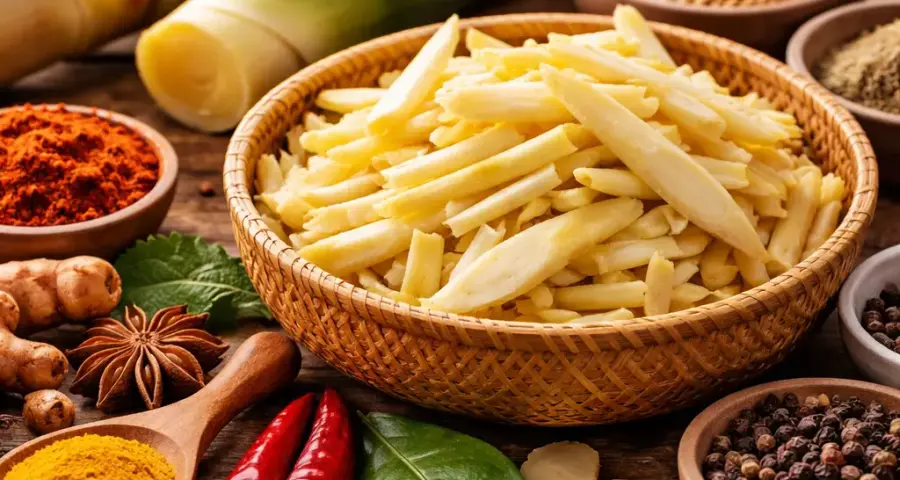
1. Turmeric and Rebung
Turmeric brings a warm, earthy bitterness that echoes rebung’s own subtle notes, creating a cohesive flavor base. The spice also adds a vibrant golden color that makes any dish visually appealing. In Indonesian sayur lodeh, turmeric and rebung are simmered together in coconut milk, producing a comforting, mildly spiced stew.
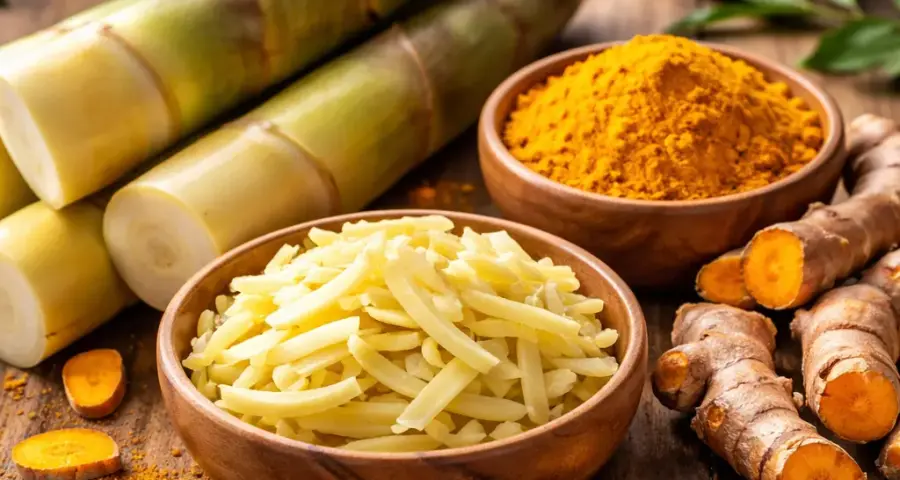
Use fresh turmeric root for a more floral, less dusty flavor. Grate it finely and sauté it in oil before adding the rebung. This releases the curcumin compounds and ensures even coating. Ground turmeric works as a substitute, but use half the quantity to avoid a metallic aftertaste.
This pairing is ideal for soups, stews, and curries where the liquid carries the spice evenly.
2. Lemongrass and Rebung
Lemongrass provides a bright, citrusy lift that cuts through rebung’s earthiness. The two ingredients share a similar level of aromatic intensity—neither dominates, so they meld rather than compete. In Thai bamboo shoot curries, lemongrass is bruised and simmered whole, then removed before serving.
For a stronger infusion, slice the lemongrass into thin rounds and pound it lightly with a mortar and pestle. Add it early in the cooking process so the oils have time to penetrate the rebung fibers. This technique works beautifully in stir-fries and braised dishes.
Lemongrass also pairs well with coconut milk and chili, creating a classic Southeast Asian flavor triangle with rebung at the center.
3. Ginger and Rebung
Ginger’s pungent warmth and slight sweetness make it a natural companion for rebung. It brightens the shoots without adding heaviness. Fresh ginger, sliced or julienned, adds texture as well as flavor. In many Chinese and Filipino preparations, ginger is stir-fried with rebung, garlic, and a splash of soy sauce for a simple yet satisfying side dish. For a related guide, see Diagonal Cut Guide for Rebung Stir-Fries: Avoid These 3 Mistakes.
Young ginger has thinner skin and a milder bite—ideal if you want the spice to support rather than lead. Mature ginger delivers a sharper kick that can stand up to richer meats like pork or duck when paired with rebung.
Add ginger toward the end of stir-frying to retain its crispness and pungency, or simmer it early for a more mellow infusion in soups.
4. Galangal and Rebung
Galangal is often confused with ginger, but its flavor is distinctly different—more piney, peppery, and less sweet. This makes it an excellent partner for rebung because it introduces a new aromatic dimension instead of simply echoing what is already there. Galangal is a staple in Thai tom kha and many Malaysian lemak dishes that feature bamboo shoots.
Because galangal is tough and fibrous, it should be sliced thinly or pounded before cooking. Remove the slices before serving or blend them into a paste for smoother sauces. The spice’s antimicrobial properties also help preserve fermented bamboo shoot preparations.
Galangal pairs especially well with coconut cream and lemongrass, forming a trinity that defines many classic rebung curries.
5. Cumin and Rebung
Cumin’s warm, nutty, slightly peppery profile is less common in traditional bamboo shoot dishes but works surprisingly well. It adds a savory depth that complements the shoots’ natural sweetness while providing a toasty contrast. This pairing shines in Indian-inspired preparations, such as a bamboo shoot stir-fry with cumin seeds, asafoetida, and dried red chilies.
Use whole cumin seeds for better texture and controlled release of flavor. Toast them in hot oil until they start to pop and darken slightly, then add the rebung and other aromatics. Ground cumin can be used, but add it later in cooking to prevent burning.
Cumin’s affinity for beans, potatoes, and yogurt-based sauces means that rebung can stand in for those ingredients in many vegetarian recipes.
How to Choose the Right Spice Pairing for Rebung by Dish Type
Not every spice works equally well in every cooking method. Matching the pairing to the dish ensures the best results.
| Dish Type | Recommended Spice Pairing | Why It Works |
|---|---|---|
| Coconut-based curries | Lemongrass, galangal, turmeric | These spices cut through richness and brighten the coconut flavor. |
| Light stir-fries | Ginger, cumin seeds | Quick cooking preserves the fresh pungency of ginger and the toastiness of cumin. |
| Soups and broths | Turmeric, lemongrass | Turmeric adds color and mild earthiness; lemongrass provides a citrus lift. |
| Fermented or pickled dishes | Galangal, turmeric | Both have antimicrobial properties that support fermentation and add complexity. |
| Dry spiced snacks or stir-fries | Cumin, ginger | These spices cling well to dry surfaces and provide concentrated flavor. |
Common Mistakes When Seasoning Bamboo Shoots
Avoiding these pitfalls will improve any bamboo shoot seasoning guide recipe you try.
Overpowering the mild flavor
Because rebung is mild, it is easy to add too much spice. Start with modest amounts and adjust as you cook. You can always add more, but you cannot remove excess.
Skipping the pre-cooking step
Fresh rebung must be boiled for at least 10 minutes to neutralize the bitter compounds. Canned rebung should be rinsed and drained. Skipping this step leaves a harsh aftertaste that no amount of spice can fully mask.
Using only dried spices
Dried spices lack the volatile oils that fresh herbs and roots provide. Whenever possible, use fresh turmeric, ginger, lemongrass, or galangal, or combine dried spices with fresh aromatics like garlic and shallots.
Useful Resources
For more background on bamboo shoot preparation and traditional uses, visit Specialty Produce’s overview of bamboo shoots for variety descriptions and availability.
For a deeper dive into the science of spice pairing, read Food and Wine’s Spice 101 guide which covers flavor chemistry and pairing principles.
Frequently Asked Questions About spice pairing for rebung
What is the best spice pairing for rebung in a curry?
Lemongrass, galangal, and turmeric form the classic trio for coconut-based curries. They complement rebung’s sweetness and balance its earthy notes.
Can I use ground spices instead of fresh for rebung dishes?
Yes, but reduce the quantity by half and add them later in cooking to prevent bitterness. Fresh spices offer brighter, more complex flavors that better match rebung’s delicate profile.
Does rebung need to be boiled before adding spices?
Yes. Boiling fresh rebung for 10-15 minutes removes natural toxins and bitterness, allowing the spices to shine without interference.
What spices should I avoid with rebung?
Strong, pungent spices like clove, allspice, and nutmeg can overwhelm rebung’s delicate flavor. Use them sparingly if at all.
Can rebung be paired with chili?
Absolutely. Chili adds heat that contrasts nicely with rebung’s sweetness. Use fresh bird’s eye chilies for a clean heat that does not overpower.
Is turmeric or ginger better for bamboo shoot salad?
Ginger is better for raw or lightly cooked salads because its fresh pungency pairs well with acidic dressings. Turmeric works in cooked salad components.
What about coriander seeds with rebung?
Coriander seeds bring a lemony, floral note that harmonizes with rebung. Toast and crush them before adding to stir-fries or braises.
Does lemongrass pair well with rebung in soup?
Yes. Lemongrass imparts a citrusy lift that brightens rebung-based soups, especially when combined with galangal and kaffir lime leaves.
Can I use curry powder as a shortcut for spice pairing?
Curry powder can work, but the flavor will be less nuanced. If using it, add fresh ginger or garlic to boost the aromatic profile.
What spice pairs with rebung for pickling?
Galangal and turmeric are ideal for pickling because of their antimicrobial properties and ability to infuse without losing potency over time.
How do I store leftover cooked rebung with spices?
Store in an airtight container in the refrigerator for up to three days. The flavors will meld overnight, often improving the taste by the second day.
Can rebung be paired with Asian five-spice?
Five-spice contains strong notes like star anise and cinnamon that can overwhelm rebung. Use it sparingly, primarily in braised meat dishes that include bamboo shoots.
Does rebung work with spice blends like garam masala?
Yes, in small amounts. Focus on the warm, sweet spices in garam masala (cinnamon, cardamom, cumin) rather than the clove-heavy versions.
What is the easiest spice pairing for beginners?
Stir-frying rebung with fresh ginger and garlic is the simplest and most forgiving starting point. It requires minimal technique and delivers consistent results.
Can rebung be used in desserts with spices?
Rarely, but yes. In some Southeast Asian sweet soups, young bamboo shoots are simmered in coconut milk with pandan and a touch of cardamom for a fragrant dessert.
Does rebung absorb spice flavor better when raw or cooked?
Cooked rebung absorbs flavors more effectively because heat breaks down its fibrous cell walls, allowing spice oils to penetrate deeper.
Is there a spice pairing for rebung that works with Western dishes?
Yes. Roast rebung with olive oil, garlic, thyme, and a pinch of smoked paprika for a side dish that works alongside roasted meats or grains.
What spice reduces rebung’s bitterness the most?
Turmeric’s earthy bitterness matches and masks rebung’s own bitterness without clashing. A little sugar or coconut milk also helps balance it.
Can I combine multiple spice pairings in one dish?
Yes. Many traditional recipes use two or three pairings together—for example, lemongrass, galangal, and turmeric—to build layered flavors.
How do I know if my rebung is fresh enough for spice to work?
Fresh shoots should feel firm, not rubbery or slimy, and smell faintly like corn or fresh grass. Bad rebung cannot be saved by any amount of spice.