
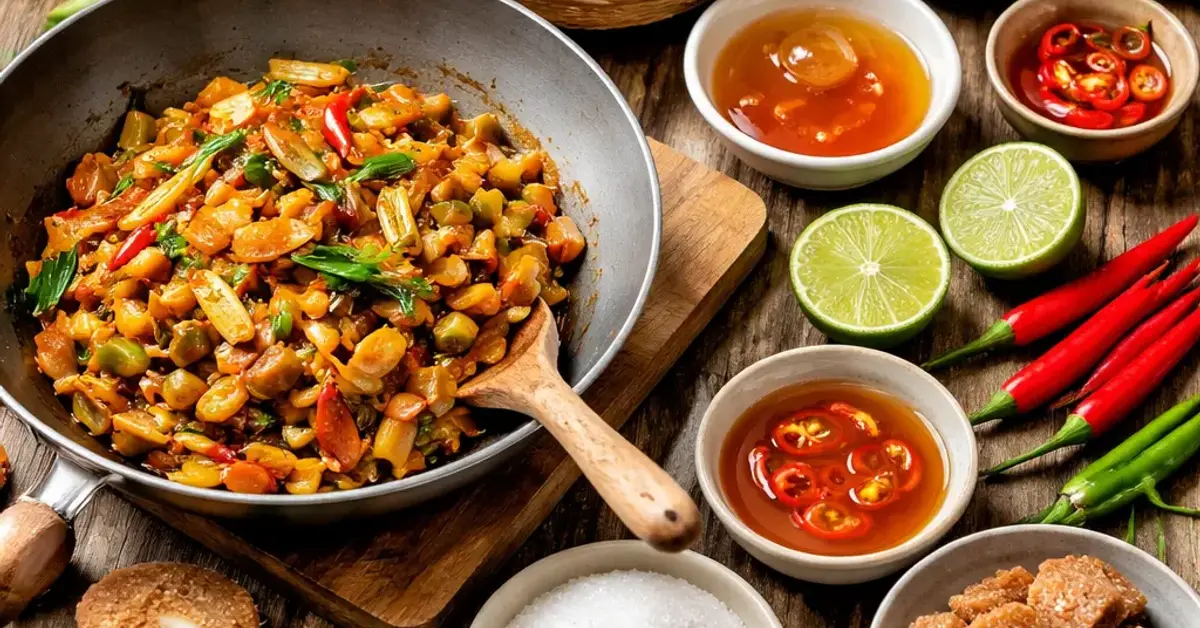
balancing salt sweet sour spicy rebung dishes Key Takeaways
Rebung, or young bamboo shoots, have a naturally mild and slightly earthy flavor that acts as a blank canvas for bold seasonings.
- Understanding balancing salt sweet sour spicy rebung dishes starts with building flavor intensity step by step.
- Always taste and adjust at each stage — bamboo shoots absorb seasoning quickly, so small additions go a long way.
- The ideal ratio is personal, but a 3:2:1:1 proportion of savory to sweet to sour to spicy is a reliable starting point.
Why balancing salt sweet sour spicy rebung dishes Matters
Bamboo shoots don’t have a strong personality of their own. That’s their superpower — they soak up whatever you give them. But it also means that if you mess up the seasoning, there’s no hiding it. When you get the balancing salt sweet sour spicy rebung dishes right, you create a bowl of comfort that surprises with every bite. Each flavor has a job: salt brings depth, sweetness rounds out the edges, sourness cuts through richness, and spicy adds a kick that keeps things exciting.
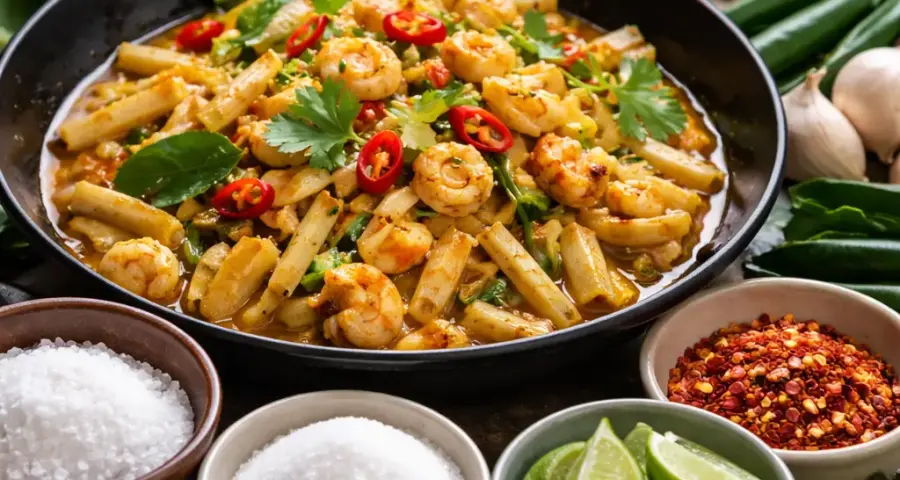
Common Flavor Mistakes in Rebung Cooking
Even experienced home cooks can throw off the balancing salt sweet sour spicy rebung dishes without realizing it. Here are the pitfalls to watch for.

Overloading Salt Before Layering Other Flavors
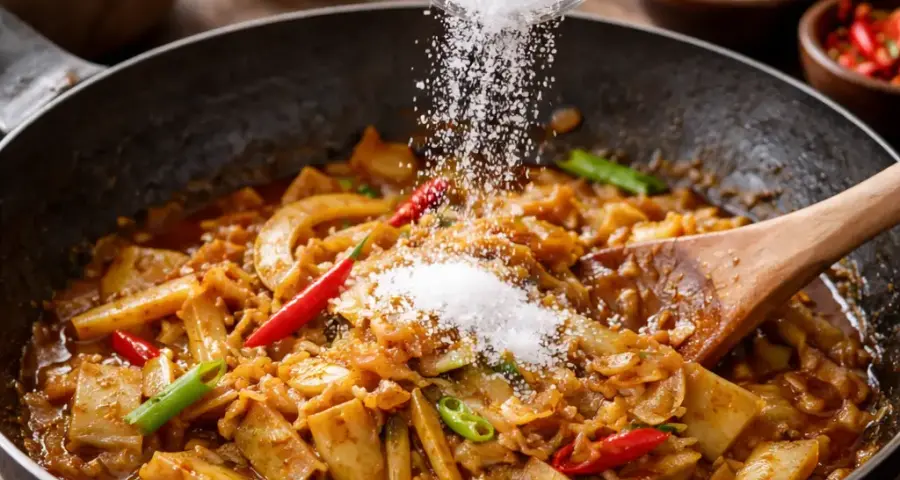
Salt is often the first thing we reach for, but too much early on makes it impossible to fix later. Bamboo shoots are porous, so over-salting early locks in a briny taste that masks the other seasonings. Add salt gradually, and let the sweet and sour elements come in before you decide you need more.
Ignoring Acidity
A squeeze of lime or a splash of tamarind may seem like a small detail, but without it, balancing salt sweet sour spicy rebung dishes falls flat. Acidity brightens the entire dish and prevents the coconut milk or oil from making everything taste heavy. For a related guide, see Lumajang-Style Lodeh Rebung: 7 Easy Tips for a Creamier, Spicier Dish.
Adding Heat Too Early
Spicy ingredients like bird’s eye chilies or chili paste release capsaicin slowly. If you add them at the start, the heat can become overwhelming by the time the dish is ready. Add spicy elements toward the end of cooking for more control over the final kick.
Step-by-Step Guide to Perfect Flavor Balance
Follow this practical sequence to nail the balancing salt sweet sour spicy rebung dishes every time.
Step 1: Build the Savory Base with Salt and Umami
Start by sautéing aromatics like garlic, shallots, and ginger. Then add your protein or vegetables and a tablespoon of fish sauce, soy sauce, or salt. Keep it modest — about a teaspoon per serving — because bamboo shoots will continue to absorb liquid as they cook. Stir and taste before moving on.
Step 2: Introduce Sweetness Gradually
Palm sugar, brown sugar, or even a bit of grated carrot can bring natural sweetness. Add half a teaspoon at a time, stirring until dissolved. The sweetness should be a whisper, not a shout. It supports the salt and prepares your palate for sourness.
Step 3: Add Sourness to Lift the Dish
A tablespoon of lime juice, tamarind paste, or even a splash of rice vinegar will do. Stir it in and wait 30 seconds. You should notice the flavors come together — the salt and sweet become clearer, and the bamboo shoots taste fresher. If the dish feels flat, you probably need more acidity.
Step 4: Finish with Heat
Slice fresh chilies or add a small dollop of sambal oelek. Stir, taste, and let the heat build for a minute before adding more. The goal is warmth, not pain. If you overshoot, balance it with a touch more sweetness or sourness.
Step 5: Let the Dish Rest and Taste Again
Turn off the heat and let the balancing salt sweet sour spicy rebung dishes sit for 2-3 minutes. Flavors meld and mellow as the dish cools slightly. Taste one more time, then adjust with a pinch of salt, a squeeze of lime, or a dash of sugar. Serve with jasmine rice or rice noodles.
Quick Troubleshooting for Off-Balance Rebung
If your final dish tastes wrong, here’s how to fix common issues:
- Too salty? Add a squeeze of lime or a spoonful of coconut cream. Acidity and fat both reduce salt perception.
- Too sweet? A splash of vinegar or extra chili can cut through the sugar.
- Too sour? Stir in a pinch of brown sugar or a drizzle of coconut milk.
- Too spicy? Balance with a teaspoon of sugar and a tablespoon of thick coconut milk or yogurt.
Recommended Flavor Ratios for Common Rebung Styles
| Rebung Dish Style | Salt (Soy/Fish Sauce) | Sweet (Palm Sugar) | Sour (Lime/Tamarind) | Spicy (Chili) |
|---|---|---|---|---|
| Classic Thai stir-fry | 1 tbsp | 1 tsp | 1 tbsp | 1-2 bird’s eye chilies |
| Coconut curry | 1.5 tbsp | 1.5 tsp | 1 tbsp | 1 tbsp chili paste |
| Salad with lime dressing | 1 tsp | 1 tsp | 2 tbsp | 1 fresh chili, sliced |
| Fermented or pickled rebung | 1 tsp | 0.5 tsp | 3 tbsp vinegar | optional |
Useful Resources
For more on Southeast Asian flavor theory, check out Serious Eats’ Thai Flavor Balancing Guide. If you want to explore different bamboo shoot varieties and preparation techniques, The Spruce Eats’ Bamboo Shoot Overview is a great place to start.
Frequently Asked Questions About balancing salt sweet sour spicy rebung dishes
What is rebung?
Rebung is the Indonesian and Malay term for young bamboo shoots. They are harvested before they become tough and bitter, making them tender and ideal for cooking in stir-fries, curries, and salads. For a related guide, see 10 Rebung Mistakes to Avoid (And How to Fix Each One).
Why is balancing flavors important in bamboo shoot dishes?
Bamboo shoots have a mild, earthy taste that easily absorbs surrounding flavors. Without proper balance, the dish can become one-note — too salty, too sweet, or overly spicy. Balancing ensures every spoonful is harmonious.
Can I use canned bamboo shoots for these recipes?
Yes, canned bamboo shoots work well. Just rinse them thoroughly under cold water to remove any metallic or briny taste, then pat dry before cooking.
What is the best salt substitute for balancing salt sweet sour spicy rebung dishes ?
Fish sauce and soy sauce are the most common. For a vegetarian option, use tamari or mushroom soy sauce. Start with a smaller amount because they can be saltier than table salt.
How do I reduce saltiness in an already cooked rebung dish?
Add a splash of lime juice or a drizzle of coconut cream. Acidity and fat both help mask excessive salt without adding more liquid that would dilute the dish.
What sweetener works best for rebung dishes?
Palm sugar or coconut sugar adds a rich, caramel-like sweetness that complements bamboo shoots. Brown sugar or honey are fine alternatives, but use less honey because it is sweeter.
Can I make a rebung dish without spicy ingredients?
Absolutely. The spicy element is optional. If you prefer no heat, skip the chilies or chili paste entirely and rely on salt, sweet, and sour for the flavor profile.
What sour ingredients work best besides lime?
Tamarind paste, rice vinegar, green mango, or even a small amount of pineapple can provide acidity. Each brings a slightly different character to the dish.
How do I prevent bamboo shoots from becoming bitter?
Boil fresh bamboo shoots for 20-30 minutes before using to remove natural bitterness. Canned shoots are already boiled, so just rinse them well.
Is it better to add chili at the beginning or end of cooking?
Add chili toward the end. This gives you better control over the heat level because capsaicin releases slowly. For a mild warmth, add early; for a fresh kick, add just before serving.
Can I prepare a rebung dish in advance?
Yes, but flavors will intensify overnight. When reheating, taste first and adjust with a little extra sweet or sour to restore balance.
What protein goes best with balanced rebung dishes?
Chicken, shrimp, tofu, or pork all work well. The neutral taste of bamboo shoots allows the protein flavor to shine through without competition.
How do I balance salt sweet sour spicy if I’m using coconut milk?
Coconut milk adds richness and a hint of sweetness. Reduce the added sweetener by half, and increase the sour element slightly to cut through the creamy texture.
What side dishes pair well with a flavorful rebung stir-fry?
Steamed jasmine rice, cucumber salad, or a simple omelet all complement the strong flavors without overwhelming them.
Are there any tools I need for perfect balancing salt sweet sour spicy rebung dishes ?
A set of measuring spoons and a small tasting spoon are very helpful. A mortar and pestle for grinding fresh spices also makes a difference in flavor release.
How do I know if I’ve added too much spice?
If your eyes water or your mouth burns enough to block other flavors, you’ve likely overdone it. Balance with sugar and fat immediately to recover the dish.
Can I use dried bamboo shoots for this guide?
Yes, but they require overnight soaking and longer cooking. The same flavor principles apply, but you may need a bit more salt because the shoots will absorb more liquid.
What is the most common mistake people make when starting out?
Adding all the salt at once. Take it slow, layer by layer, and you’ll have much more success with balancing salt sweet sour spicy rebung dishes.
Should I add sugar or sour first when fixing an off dish?
Add sour first if the dish tastes flat or heavy. Then add a pinch of sugar if the sourness is too sharp. Adjusting one at a time helps you control the final result.
Can I use this balancing technique for other vegetables?
Yes, the same principles apply to mild vegetables like zucchini, cabbage, or chayote. Start with the 3:2:1:1 ratio and adjust to taste.