
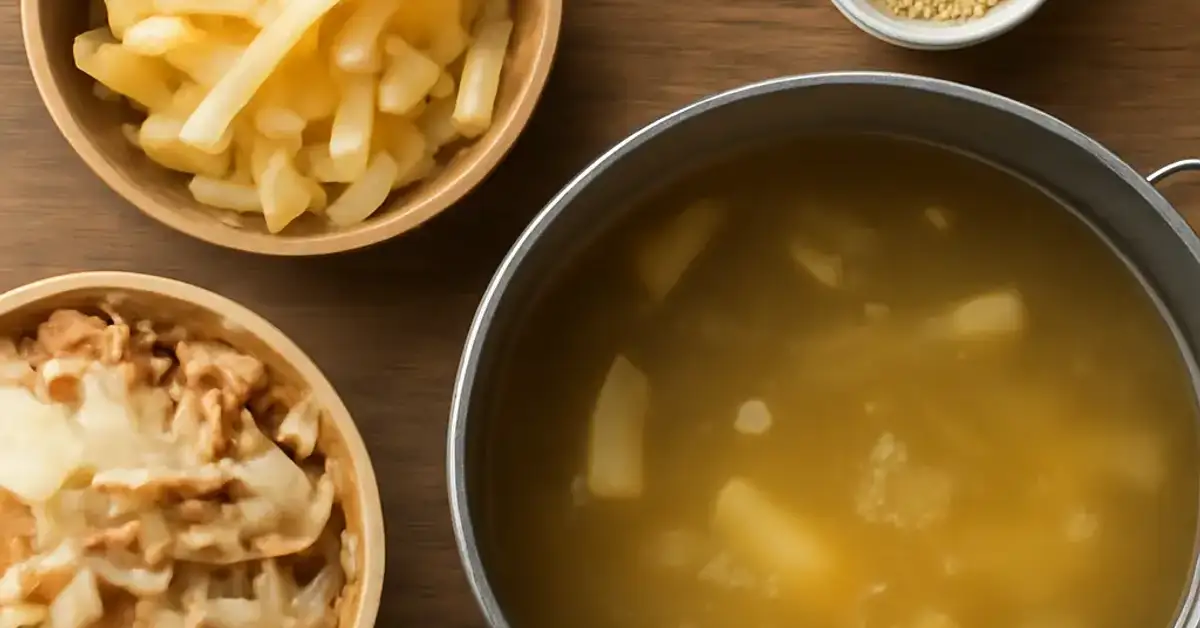
bamboo shoot peel stock Key Takeaways
Making bamboo shoot peel stock ( kaldu rebung ) turns kitchen scraps into a savory, umami-rich broth for soups, stews, and braises.
- bamboo shoot peel stock delivers deep flavor without extra cost or waste, as long as you prep the peels correctly.
- Boiling unsoaked peels or skipping the first boil are the top reasons for bitter broth — both are easy to avoid.
- Proper storage and reuse tips help you get multiple batches from the same batch of peels, maximizing every ounce of flavor.
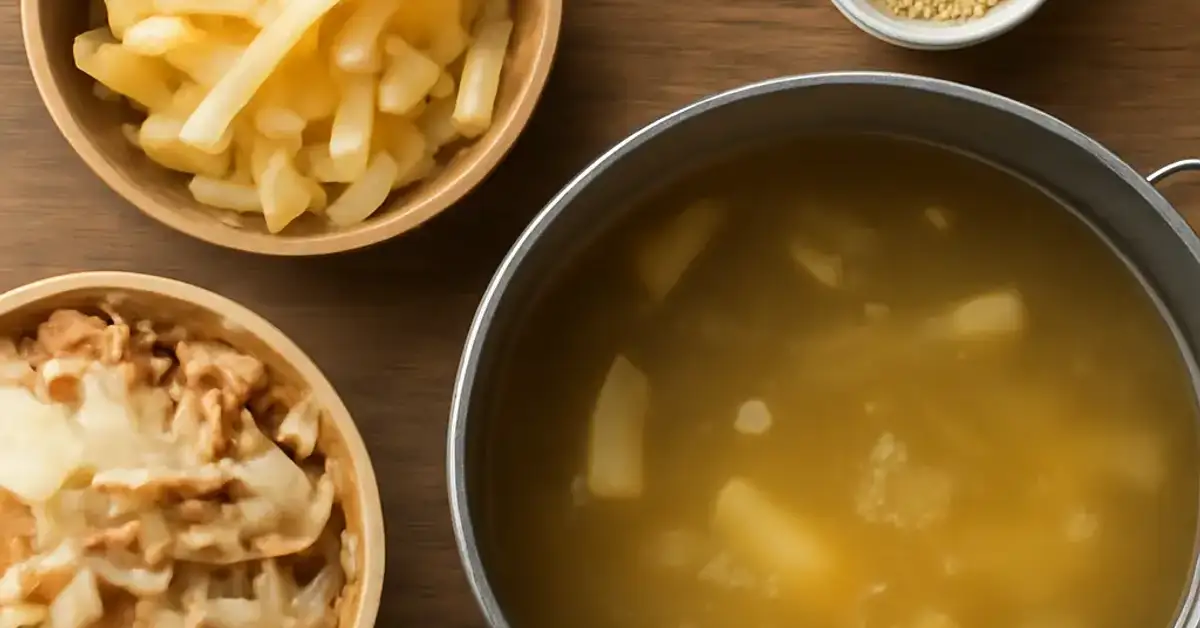
Why bamboo shoot peel stock Deserves a Spot in Your Kitchen
If you’ve ever peeled fresh bamboo shoots and tossed the tough outer layers, you’ve been throwing away liquid gold. In many Southeast Asian kitchens, those peels get simmered into kaldu rebung — a light, subtly sweet broth that adds depth to vegetable soups, noodle bowls, and braised tofu. The process is practically free, reduces food waste, and yields a stock that tastes noticeably cleaner than anything from a cube. For a related guide, see Aging Bamboo Shoots: Avoid 5 Mistakes for Deeper Flavor.
But there’s a catch: bamboo shoot peels contain natural compounds that can turn your stock bitter or astringent if handled wrong. The good news is that with a few simple techniques, you can sidestep those pitfalls completely. For a related guide, see Sous-Vide Bamboo Shoots: 5 Mistakes to Avoid for Perfect Texture.
Mistake #1: Skipping the Soaking Step
Fresh bamboo shoot peels have a layer of fine hairs and a slightly gritty surface. If you toss them straight into the pot, those particles end up in your broth, creating a murky, unpleasant texture.
How to Fix It
Rinse the peels under cold running water, then soak them in a bowl of cool water for at least 30 minutes. Swish them around occasionally to loosen any debris. Drain and give them one more rinse before proceeding. This simple step makes a noticeable difference in clarity.
Mistake #2: Not Boiling the Peels First (Blanching)
Bamboo shoots — and their peels — contain a naturally occurring toxin called taxiphyllin, which breaks down only during boiling. Skipping the initial boil can leave your stock with a sharp, bitter edge that no amount of aromatics can mask. For a related guide, see Boiling Bamboo Shoots: Avoid Toxicity With Proven Times and Doneness Tests.
How to Fix It
Place the soaked and rinsed peels in a pot, cover them with fresh water, and bring to a rolling boil. Let them boil for 10 to 15 minutes. Drain that water completely — do not reuse it. This blanching step removes the bitter compounds and ensures your bamboo shoot peel stock starts with a clean, neutral canvas.
Mistake #3: Using Too Much Water for the First Boil
After blanching, you might be tempted to add a gallon of water to extract as much flavor as possible. But diluting the stock too early results in a watery, weak broth that doesn’t add much to your dishes.
How to Fix It
Use just enough water to cover the peels by about an inch. For a standard batch (the peels from 3–4 medium shoots), that’s roughly 4 to 5 cups. Simmer gently for 45 minutes to an hour, then taste. If you want a stronger stock, simmer longer or reduce the liquid after straining. You can always add more water later to adjust strength, but you can’t remove water once it’s in.
Mistake #4: Overcooking the Stock
Because bamboo shoot peels are fibrous, they can handle a long simmer — but there is a limit. Simmering for more than 90 minutes can break down certain compounds that turn the stock bitter again, undoing all the work you did during blanching.
How to Fix It
Set a timer. After the initial 45-minute simmer, check the flavor every 15 minutes. As soon as the stock tastes aromatic and slightly sweet, strain it. If you’re after an ultra-concentrated broth, remove the peels first, then boil the liquid down separately. That way you control the concentration without overcooking the solids.
Mistake #5: Throwing Away the Peels After One Use
Bamboo shoot peels hold a surprising amount of flavor even after a first simmer. Tossing them after one batch means leaving half the potential behind.
How to Fix It
After you strain the first stock, return the peels to the pot, add fresh water, and simmer for another 30 to 45 minutes. This second run (sometimes called “second stock”) will be lighter but still useful for cooking rice, thinning sauces, or as a base for quick soups. You can even do a third batch if the peels still smell fragrant.
How to Use Your Kaldu Rebung in Everyday Cooking
Once you’ve made your bamboo shoot peel stock, here are a few practical ways to put it to work:
- Soup base: Use it straight as the broth for miso soup, wonton soup, or clear vegetable soup. Add a drizzle of soy sauce or fish sauce to taste.
- Cooking liquid for grains: Replace water with the stock when cooking rice, quinoa, or barley. It adds a subtle savory note that pairs beautifully with stir-fries.
- Braising liquid: Use it to braise tofu, mushrooms, or daikon radish. The stock’s mild sweetness balances soy sauce and ginger.
- Freeze for later: Pour cooled stock into ice cube trays or small containers and freeze. That way you always have a few cubes on hand to deglaze a pan or add a quick flavor boost to sauces.
Pro Tips for the Best bamboo shoot peel stock
These extra pointers come from home cooks who make kaldu rebung regularly:
- Add aromatics during the second simmer: A knob of ginger, a smashed garlic clove, or a few slices of dried mushroom can elevate the flavor without overpowering the bamboo’s natural taste.
- Don’t salt early: Salt intensifies bitterness. Season your dishes only after you’ve finished cooking the stock.
- Use a fine-mesh strainer: Even after soaking, tiny fibers can sneak through. A strainer lined with cheesecloth gives you a crystal-clear broth.
- Combine peels with other vegetable scraps: Onion skins, carrot peels, and celery ends all complement bamboo shoot peel stock. Just avoid strong cruciferous scraps like broccoli or cabbage, which can dominate the flavor.
Useful Resources
For more background on the science behind bamboo shoot preparation, check out this detailed explainer from the University of Florida IFAS Extension on reducing toxins in bamboo shoots: Bamboo Shoot Production and Processing.
For a broader look at Southeast Asian zero-waste cooking techniques, this article from Serious Eats covers how to use vegetable scraps — including bamboo peels — in broths: How to Make Vegetable Stock from Scraps.
Frequently Asked Questions About bamboo shoot peel stock
Can I use frozen bamboo shoot peels to make stock?
Yes, frozen peels work just as well. Thaw them completely first, then follow the same rinsing, soaking, and blanching steps. Freezing does not affect the final flavor.
Do I need to peel the shoots before cooking them?
If you’re using the shoots in a stir-fry or curry, yes, you usually peel to the tender inner layers. But the peels themselves are perfect for stock — don’t toss them.
How long does kaldu rebung keep in the fridge?
Stored in a sealed container, bamboo shoot peel stock keeps for 4 to 5 days in the refrigerator. Always smell it before using — it should smell fresh and mildly sweet, not sour.
Can I use canned or jarred bamboo shoot peels?
Canned or jarred bamboo shoots are already cooked and often salted, so their peels are not ideal for stock. Stick with fresh peels for the best flavor.
Is the stock safe to drink straight?
Yes, as long as you’ve blanched the peels properly. The resulting broth is safe and delicious to sip on its own, though it’s usually used as a cooking base.
Why does my stock smell like ammonia?
An ammonia-like odor means the peels were not blanched long enough or the stock was left at room temperature too long. Always boil for at least 10 minutes and refrigerate promptly.
Can I add salt to the stock while it simmers?
It’s better not to. Salt can bring out bitterness. Season your final dish instead of the stock itself for more control.
How do I know when the stock is done?
Taste it after 45 minutes. It should be mildly sweet and aromatic, with no harsh or bitter aftertaste. If it tastes flat, simmer another 10–15 minutes.
Can I make this stock in a pressure cooker?
Yes. After blanching the peels on the stovetop, transfer them to a pressure cooker with fresh water and cook on high pressure for 20 minutes. Quick-release and strain.
What is the difference between kaldu rebung and regular vegetable stock?
Kaldu rebung uses only bamboo shoot peels, giving it a distinct grassy-sweet flavor that regular vegetable stock, made from onions, carrots, and celery, does not have.
Can I mix bamboo shoot peels with chicken bones?
Absolutely. A chicken-and-bamboo-peel stock is common in Indonesian cooking. It adds richness and a subtle earthy note to soto or bakso broth.
Do I need to peel the fuzzy inner layer from the shoot first?
For the stock, you can leave the fuzzy layer on. The soaking and rinsing steps remove any loose hairs. If you’re cooking the shoot itself, you usually remove that layer.
Can I use dried bamboo shoot peels?
Dried peels are uncommon, but if you have them, rehydrate in hot water for 30 minutes, then proceed with the blanching and simmering steps as usual.
How do I store bamboo shoot peels before making stock?
Refrigerate fresh peels in a plastic bag for up to 3 days. For longer storage, freeze them in a sealed bag for up to 3 months.
Is bamboo shoot peel stock keto-friendly?
Yes, the stock is very low in carbohydrates and contains minimal calories, making it suitable for keto and low-carb diets.
Can I use this stock as a base for ramen?
Definitely. It makes an excellent light ramen broth, especially when combined with shoyu (soy sauce) and a touch of sesame oil.
Why is my stock cloudy?
Cloudiness usually comes from not rinsing the peels thoroughly before blanching, or from boiling too vigorously. Skim any foam that rises during the simmer.
Can I use bamboo shoot peels from pickled shoots?
No, pickled shoots have vinegar, salt, and spices that would ruin the flavor of a neutral stock. Always start with fresh, raw peels.
How many times can I reuse the same peels?
Typically 2 to 3 times. Each subsequent batch will be lighter. After the third use, the peels will be exhausted and should be composted.
Can I add mushrooms or kombu directly to the stock pot?
Yes, adding dried shiitake mushrooms or a strip of kombu during the second simmer adds umami. Remove them before storing the stock.