
rebung mistakes Key Takeaways
Cooking with rebung (bamboo shoots) is a rite of passage in many Southeast Asian kitchens, but small slip-ups can turn a promising dish bitter, tough, or even unsafe.
- Most rebung mistakes stem from skipping the blanching step, which removes natural toxins and bitterness.
- Using old or improperly stored shoots leads to fibrous, unpleasant texture; always choose firm, fresh rebung.
- Simple fixes like soaking in salted water or adjusting cooking time can rescue a dish that went wrong.
Why Avoiding Rebung Mistakes Matters for Beginners
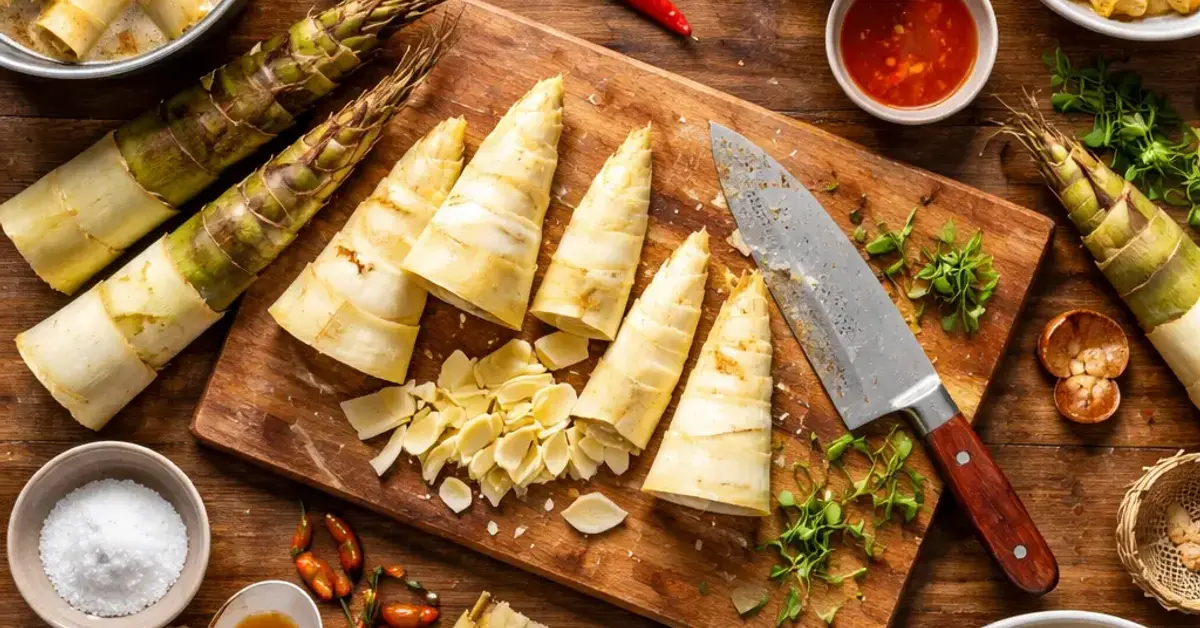
Rebung is a versatile, nutrient-rich ingredient, but it requires a little know-how. Fresh bamboo shoots contain cyanogenic glycosides, which can cause a bitter taste and even mild toxicity if not handled properly. Getting the basics right means unlocking a tender, slightly sweet, and earthy ingredient that absorbs flavors beautifully. Whether you are making a classic sayur lodeh, a spicy rebung curry, or a simple stir-fry, sidestepping these common pitfalls is the key to consistent, delicious results. For a related guide, see 7 Easy Ways to Store Fresh Rebung Without a Fridge.

Mistake 1: Skipping the Blanching Step
The most frequent rebung mistakes is cooking raw shoots without blanching them first. Raw rebung contains sharp, bitter compounds and potentially harmful enzymes. Skipping this step results in a harsh, metallic taste that ruins the whole dish.
How to Fix or Prevent It
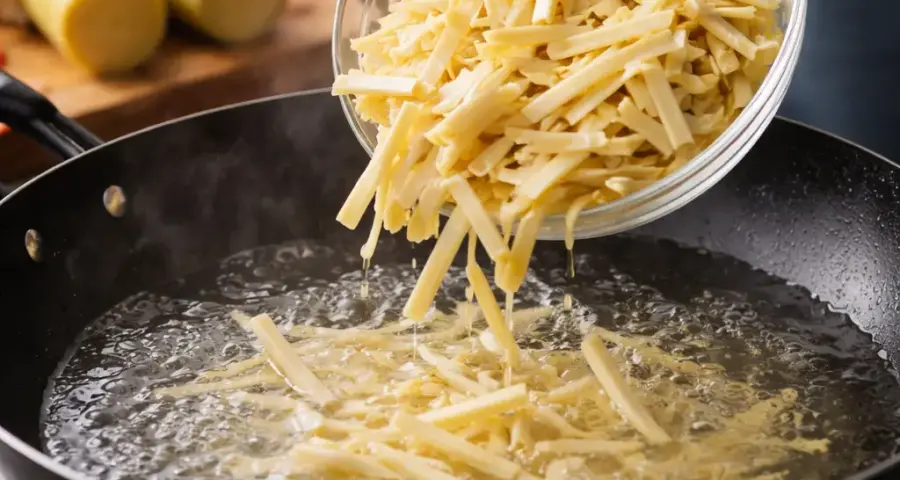
Always blanch rebung in boiling water for 10–15 minutes. Drain, rinse with cold water, and then proceed with your recipe. For extra safety, some cooks repeat the process with fresh water a second time. This simple habit eliminates bitterness and makes the shoots safe to eat.
Mistake 2: Using Old or Wilting Shoots
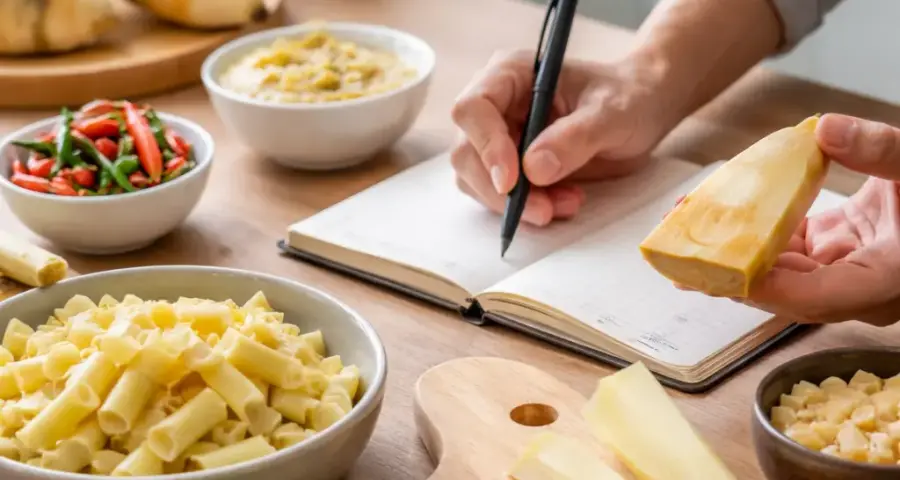
Freshness matters more with rebung than most vegetables. Old shoots become woody, fibrous, and lose that delicate flavor. If the outer leaves are brown or the cut end feels dry and stringy, you are starting with a subpar ingredient.
How to Fix or Prevent It
Buy rebung that feels heavy for its size, with tightly closed leaves. Store it in the fridge, wrapped in a damp cloth, and use it within 2–3 days. If your shoots are already a bit dry, peel off the tough outer layers and slice the inner flesh thinly to salvage what you can.
Mistake 3: Cutting Shoots Too Thick
Thick chunks of rebung take longer to cook and remain crunchy in a way that feels raw rather than pleasant. Beginners often cut shoots like carrots, but the fibrous structure of bamboo requires a different approach.
How to Fix or Prevent It
Slice rebung thinly on the diagonal, about ¼-inch thick. For stir-fries and soups, julienne or fine strips work best. The thinner the cut, the quicker the shoots soften and absorb surrounding flavors. If you already cut them too thick, simply simmer them in broth for an extra 10 minutes to compensate.
Mistake 4: Not Soaking After Blanching
Blanching removes the initial bitterness, but some residual compounds can still linger. Many beginners skip the soaking step that follows, leaving a faint metallic note in the final dish.
How to Fix or Prevent It
After blanching, immerse the shoots in cold water for at least 30 minutes. Change the water once or twice. This extra step leaches out any remaining bitter elements and also helps maintain a crisp texture. For a flavor boost, add a pinch of salt to the soaking water.
Mistake 5: Overcooking Until Mushy
Rebung has a naturally firm texture, but overcooking turns it into a limp, waterlogged mess. This is a common rebung mistakes in slow-cooked stews where the shoots are added too early. For a related guide, see 3 Mistakes to Avoid When Making Gudeg with Sweet Rebung Flavor.
How to Fix or Prevent It
Add rebung toward the end of cooking—about 15–20 minutes before the dish is done. If you are making a curry or soup that simmers for an hour, blanch the shoots first and toss them in during the last stage. Already mushy? You can’t reverse it, but you can puree the mixture into a creamy soup or sauce to salvage the meal.
Mistake 6: Ignoring the Outer Leaves
Beginners sometimes keep too many of the tough outer leaves, thinking they are part of the edible shoot. Those layers are extremely fibrous and nearly impossible to chew, leading to a disappointing mouthfeel.
How to Fix or Prevent It
Peel away all the outer leaves until you reach the pale, tender core. A good rule of thumb is to remove at least three to four layers. If you have already cooked them, pick out the fibrous pieces before serving—they will be obvious by their stringy texture.
Mistake 7: Cooking Without Acid or Aromatics
Rebung has a mild, somewhat plain flavor by itself. Without a little acidity or aromatic support, the dish can taste flat. Many beginner recipes skip ingredients like tamarind, lemongrass, or ginger, missing the chance to brighten the shoots.
How to Fix or Prevent It
Add a splash of lime juice, a piece of asam gelugor, or a stalk of lemongrass while cooking. If your dish is already bland, stir in a squeeze of lime or a dash of fish sauce just before serving. These small additions elevate the rebung without overpowering it.
Mistake 8: Storing Cooked Rebung Incorrectly
Cooked rebung can develop a sour, off-putting smell if left in the fridge for too long or stored in a closed container while still hot. The moist environment encourages bacterial growth and flavor degradation.
How to Fix or Prevent It
Let cooked rebung cool completely before transferring to an airtight container. Refrigerate and use within 3 days. To extend its life, freeze the shoots (after blanching and cooling) in a sealed bag for up to 3 months. If your cooked rebung smells funky, discard it—it is not worth the risk.
Mistake 9: Using Canned Rebung Without Rinsing
Canned or jarred rebung is a convenient shortcut, but many beginners dump the entire contents, brine and all, into the pot. The brine is often salty and can make the dish overly briny or metallic.
How to Fix or Prevent It
Always drain and rinse canned rebung thoroughly under cold running water. Then blanch it in fresh boiling water for 5 minutes before using. This removes the canning liquid and any tinny aftertaste. If you already added it straight from the can, balance the saltiness with a splash of coconut milk or a pinch of sugar.
Mistake 10: Pairing Rebung with Overpowering Flavors
Rebung’s delicate, slightly sweet profile can be completely buried by heavy spices or intense sauces. Beginners sometimes treat it like tofu or tempeh, dousing it in strong curry pastes that mask the shoot’s character.
How to Fix or Prevent It
Use rebung in dishes that let its subtle flavor shine—think light coconut broths, mild stir-fries with garlic and chili, or salads with fresh herbs. If your dish already tastes heavy, add a handful of bean sprouts or fresh herbs like cilantro and mint to restore balance.
Useful Resources
For a deeper dive into the science behind bamboo shoot preparation, check out this comprehensive guide from the FAO’s handbook on bamboo processing. For recipe inspiration and regional variations, the Serious Eats guide to bamboo shoots offers practical tips and tested methods.
Frequently Asked Questions About rebung mistakes
Why does my rebung taste bitter?
Bitterness usually means the shoots were not blanched or soaked long enough. The natural toxins in raw bamboo create that harsh taste. Re-blanch in boiling water for 10 minutes, then soak in cold water for 30 minutes.
How long should I boil fresh rebung?
Boil fresh rebung for 10–15 minutes until tender. For large, thick shoots, extend the time to 20 minutes. Always drain and rinse after boiling to stop the cooking process.
Can I eat raw rebung?
No, raw rebung contains cyanogenic glycosides that can cause digestive discomfort and a bitter flavor. Always cook or at least blanch it before eating to neutralize harmful compounds.
How do I know if rebung has gone bad?
Fresh rebung should feel firm and smell earthy. If it turns slimy, develops a sour odor, or the cut ends become brown and mushy, it is spoiled and should be discarded.
What is the best way to store fresh rebung?
Wrap unpeeled shoots in a damp paper towel, place them in a plastic bag, and refrigerate. Use within 2–3 days. For longer storage, blanch and freeze the peeled shoots.
Can I freeze cooked rebung?
Yes. Cool cooked rebung completely, pack it in an airtight container or freezer bag, and freeze for up to 3 months. Thaw in the fridge overnight before reheating.
Should I peel rebung before cooking?
Yes. Remove the tough outer leaves until you reach the tender, pale inner core. The outer layers are fibrous and inedible.
Is canned rebung already cooked?
Most canned rebung is pre-cooked, but it is still best to drain, rinse, and blanch it for 5 minutes to remove any metallic taste from the canning liquid.
What dishes go well with rebung?
Rebung pairs beautifully with coconut milk (sayur lodeh), spicy curries, stir-fries with chili and garlic, and fresh salads with lime and herbs.
How do I reduce the strong smell of rebung?
Blanching and soaking reduces the characteristic odor. Adding aromatics like lemongrass, ginger, or kaffir lime leaves during cooking also helps mellow the scent.
Can rebung be eaten during pregnancy?
Yes, but only after thorough cooking to remove toxins. Pregnant women should avoid raw or undercooked bamboo shoots. Consult your doctor if you have concerns.
How do I fix salty rebung?
If your dish is too salty, add a splash of coconut milk, a squeeze of lime, or a pinch of sugar to balance the salt. For canned rebung, always rinse and blanch before use.
Does rebung need to be soaked overnight?
Not usually. A 30-minute soak in cold water after blanching is enough. Overnight soaking can make the shoots waterlogged and mushy.
What is the difference between fresh and canned rebung?
Fresh rebung has a superior texture and flavor but requires thorough preparation. Canned rebung is convenient but often softer and may carry a metallic taste if not rinsed well.
Can I use rebung in a slow cooker?
Yes, but add it during the last 30 minutes of cooking to prevent it from turning mushy. Blanch it first to remove bitterness.
Why is my rebung tough even after cooking?
Toughness usually means the shoots were old or cut too thick. Choose fresh, young shoots and slice them thinly. If already tough, simmer in broth for an additional 15 minutes.
Can I eat the tips of bamboo shoots?
Yes, the tender tips are edible and quite delicate. They require less cooking time than the thicker base sections.
How do I remove the bitterness from rebung quickly?
Slice the shoots thinly, blanch in boiling water for 10 minutes, then soak in cold salted water for 15 minutes. This method is the fastest for removing bitterness.
Is rebung high in calories?
No, rebung is very low in calories (about 20–30 calories per cup) and high in fiber, making it a healthy addition to any meal.
Can I use rebung in place of water chestnuts?
In many recipes, yes. Rebung has a similar crunchy texture when cooked properly. It can substitute for water chestnuts in stir-fries and salads.