
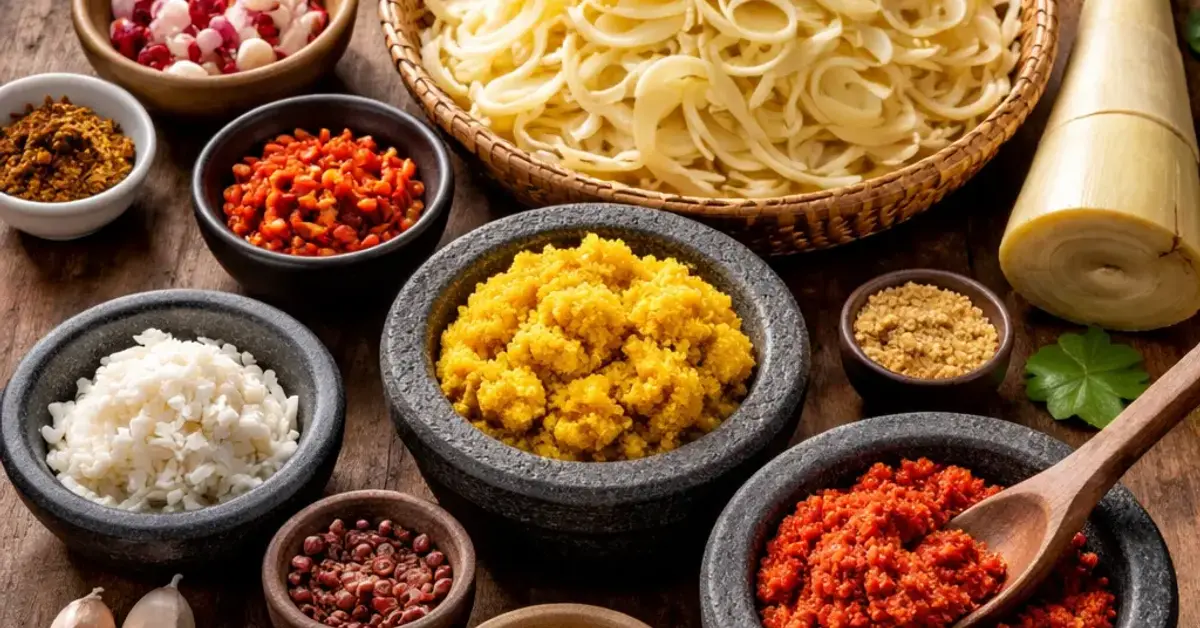
bumbu dasar rebung Key Takeaways
Making a truly authentic bumbu dasar rebung is more than just throwing ingredients into a pan.
- Master the essential technique for a proper bumbu dasar rebung that enhances any Indonesian dish.
- Discover the critical error of skipping the pre-boil for fresh rebung and how it ruins the entire flavor base.
- Learn the correct order of frying aromatics to unlock the deepest, most fragrant spice paste possible.
Why Your Bumbu Dasar Rebung Lacks Depth: The Four Common Pitfalls
If your bumbu dasar rebung tastes flat, bitter, or overly raw, you are likely making one of four specific mistakes. Each mistake directly impacts the final character of your stir-fries, curries, and soups. Below, we break down each error and explain how to fix it permanently.
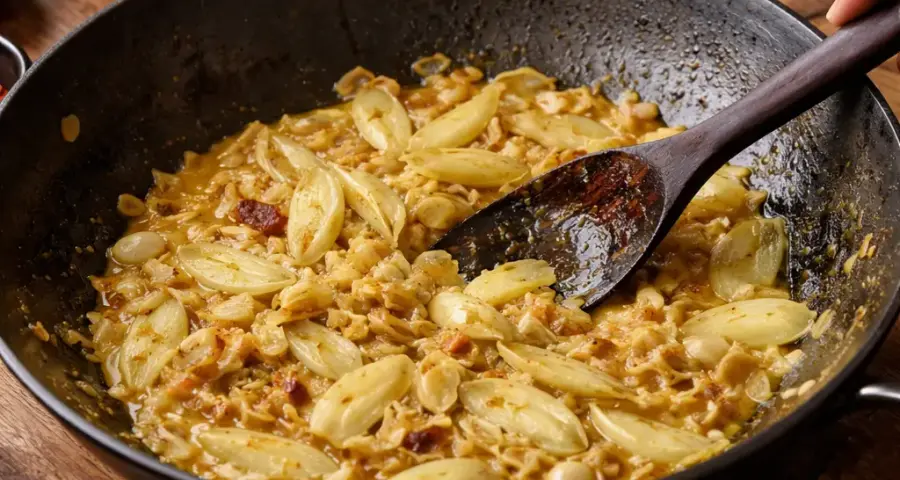
Mistake 1: Using Fresh Rebung Without Pre-Boiling
Fresh bamboo shoots contain natural toxins and a sharp, acrid taste that will dominate your flavor base recipe. Skipping the pre-boil is the most common reason for a bitter end result. Even if you are using pre-cut vacuum-packed rebung, you must boil it briefly to soften the fibers and mellow the flavor.
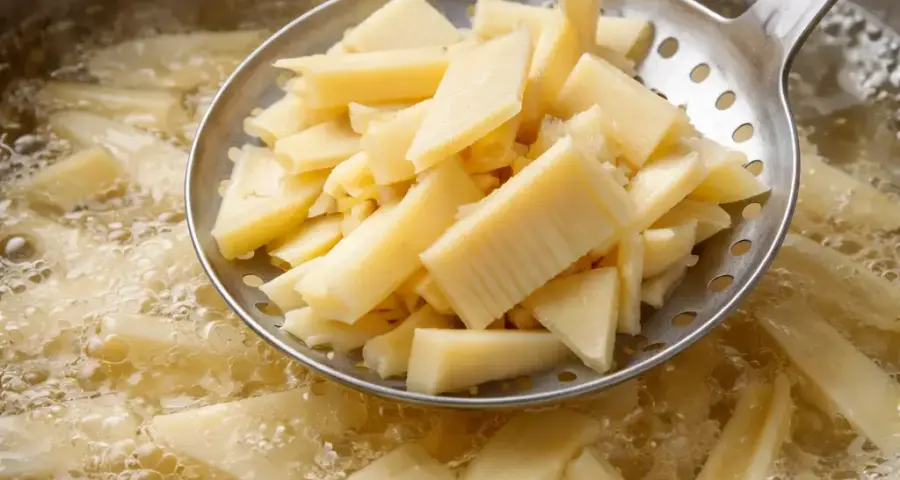
The fix is simple. Slice your rebung thinly, then boil in salted water for at least 10 minutes. Drain and rinse under cold water. This step removes the bitterness and allows the spice paste to shine.
Mistake 2: Overheating the Spice Paste
Many home cooks rush the process by using high heat to fry the spice paste. While this might seem faster, it actually burns the fine powders like turmeric and coriander before the onions and garlic have released their moisture. Burnt spices create a dull, acrid flavor instead of a bright, aromatic one. For a related guide, see Spice Pairing Guide for Rebung: 5 Proven Flavor Combos.
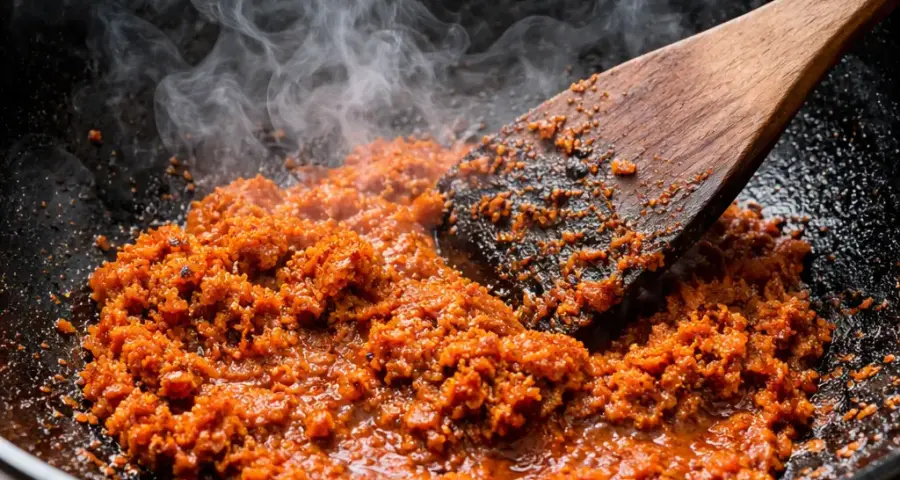
Always fry your Indonesian bamboo shoot seasoning over medium-low heat. Stir constantly until the paste becomes fragrant and the oil separates from the solids. This takes around 5 to 7 minutes, but the patience pays off in layers of flavor.
Mistake 3: Not Blooming the Dried Spices First
In a proper bumbu dasar, dried spices such as coriander seeds, cumin, and white pepper need to be bloomed in hot oil before adding wet ingredients. Blooming releases volatile oils that are essential for a complex taste. If you dump everything together at once, the dried spices remain raw and dusty.
Start by heating your oil. Add whole spices or ground spices and stir for 30 seconds until aromatic. Then add your shallots, garlic, and chilies. This sequence is non-negotiable for an authentic how to make bumbu dasar for rebung process.
Mistake 4: Forgetting to Season at the Right Stage
Salt and sugar are often added at the very end of cooking. While that works for some dishes, your bumbu dasar rebung flavor base needs seasoning included during the frying stage. Adding salt early helps draw moisture from the aromatics, preventing them from burning and creating a more cohesive paste.
Add a pinch of salt and a teaspoon of palm sugar after the paste becomes fragrant. Taste and adjust before you add the pre-boiled rebung. This ensures the seasoning penetrates every strand of bamboo shoot evenly.
How to Make Bumbu Dasar for Rebung: The Correct Method
Now that you know what to avoid, here is a reliable, step-by-step method that produces a rich, authentic bumbu dasar rebung every time.
Ingredients for the Flavor Base
| Ingredient | Quantity | Notes |
|---|---|---|
| Fresh rebung (bamboo shoots) | 200 g | Pre-boiled and sliced thin |
| Shallots | 8 pieces | Peeled and roughly chopped |
| Garlic cloves | 4 pieces | Peeled |
| Red curly chilies | 3 pieces | Adjust for heat preference |
| Fresh turmeric | 2 cm piece | Peeled and sliced |
| Coriander seeds | 1 tsp | Whole, for blooming |
| White peppercorns | ½ tsp | Whole |
| Candlenuts | 3 pieces | Optional, adds creaminess |
| Coconut oil | 3 tbsp | Use for best aroma |
| Salt and palm sugar | To taste | Add during frying |
Step-by-Step Execution
Step 1: Prepare the rebung. If using fresh shoots, pre-boil as described earlier. If using vacuum-packed, give them a quick rinse and drain well. Cut into thin matchsticks so they absorb the spice paste easily.
Step 2: Make the spice paste. Using a mortar and pestle or a food processor, grind the shallots, garlic, chilies, fresh turmeric, and candlenuts into a fine paste. Do not add water; let the natural juices of the aromatics do the work.
Step 3: Bloom the dried spices. Heat coconut oil in a heavy pan over medium-low heat. Add the whole coriander seeds and white peppercorns. Stir for 20 to 30 seconds until they release a nutty aroma.
Step 4: Fry the paste. Add the ground spice paste to the pan. Stir constantly for about 5 minutes until the raw smell disappears and the oil starts glistening on top. Add salt and palm sugar at this stage.
Step 5: Incorporate the rebung. Toss in your pre-boiled bamboo shoots. Mix well so every piece is coated in the golden paste. Cook for another 3 to 4 minutes, stirring occasionally. Taste and adjust seasoning if needed.
The result is a flavor base recipe ready to be used immediately or stored for later use.
Storage Tips for Your Bumbu Dasar Rebung
This Indonesian bamboo shoot seasoning keeps beautifully in the refrigerator for up to one week. Let the base cool completely to room temperature, then transfer it to a clean, airtight glass jar. Pour a thin layer of hot oil on top to create a seal that prevents mold. Always use a dry spoon when scooping out portions to avoid introducing moisture. For a related guide, see 7 Expert Mandoline Slicing Tips for Perfectly Thin Rebung.
For longer storage, portion the cooled paste into ice cube trays and freeze. Once solid, pop the cubes out and store them in a freezer bag. You can grab a cube or two whenever you need a quick, authentic bumbu dasar for a stir-fry or soup. Frozen paste lasts for up to three months without losing its vibrant flavor.
Creative Ways to Use Your Flavor Base
Your freshly made bumbu dasar rebung is incredibly versatile. Here are three ways to put it to work beyond the classic stir-fry.
Rebung Sayur Lodeh (Vegetable Coconut Stew)
Sauté two tablespoons of your flavor base in a pot until fragrant. Add 400 ml of thin coconut milk and bring to a gentle simmer. Throw in chunks of chayote, carrots, green beans, and the pre-cooked rebung. Cook until vegetables are tender, then finish with thick coconut milk and a pinch of galangal powder. Season to taste.
Rebung Oseng (Spicy Stir-Fried Bamboo Shoot)
This is the fastest weekday side dish. Heat a spoonful of your base in a wok with a little extra oil. Toss in pre-boiled rebung strips and sliced bird’s eye chilies. Add a dash of sweet soy sauce (kecap manis) and a squeeze of lime juice just before serving. Serve warm with steamed rice and fried tempeh.
Rebung and Shrimp Curry
Sweat two tablespoons of your base in a pan, then add peeled shrimp and cook until pink. Pour in a cup of coconut milk and let it simmer for 5 minutes. Add your pre-cooked rebung and a handful of Thai basil leaves. The creamy, spicy broth pairs beautifully with jasmine rice.
Useful Resources
For a deeper dive into traditional Indonesian cooking, the following resources offer authentic techniques and regional variations.
- SBS Food: Bumbu – The Essential Indonesian Spice Paste – A comprehensive overview of bumbu blends and their role in Indonesian cuisine.
- The Spruce Eats: Indonesian Bamboo Shoot Recipes – A collection of classic dishes that highlight the versatility of rebung.
Frequently Asked Questions About bumbu dasar rebung
What is bumbu dasar rebung ?
Bumbu dasar rebung is a pre-cooked spice paste specifically made for bamboo shoots (rebung). It typically contains shallots, garlic, chilies, turmeric, coriander, and candlenuts, and is used as a flavor base for many Indonesian dishes.
Can I use frozen rebung for this bumbu dasar ?
Yes, frozen rebung works well. Thaw it completely, then pat dry with a paper towel. You still need to boil it for 5 minutes to remove any residual bitterness before using it in the flavor base.
Do I have to use candlenuts in the recipe?
No, candlenuts are optional. They add creaminess and a slight nuttiness, but you can substitute with raw cashews or simply omit them. The flavor base will still be delicious without them.
Why does my bumbu dasar taste bitter?
Bitterness usually comes from burnt spices or un-boiled rebung. Make sure you cook the paste on medium-low heat and pre-boil your bamboo shoots. Also, avoid using old turmeric, which can become bitter.
How long can I store bumbu dasar rebung in the fridge?
When stored in an airtight container and topped with a layer of oil, the paste stays fresh for up to one week in the refrigerator. Always use a clean, dry spoon to scoop it out.
Can I freeze bumbu dasar rebung ?
Absolutely. Freeze the paste in ice cube trays, then transfer the cubes to a freezer bag. They will keep for up to three months. Thaw only the amount you need directly in the pan.
What dishes can I make with bumbu dasar rebung ?
You can use it for stir-fries (oseng), coconut stews (sayur lodeh), curries, or even as a base for fried rice with bamboo shoots. It pairs well with tofu, tempeh, chicken, or shrimp.
Is bumbu dasar rebung gluten-free?
Yes, the core ingredients are naturally gluten-free. However, if you add store-bought kecap manis or soy sauce later, check the label for wheat content.
Can I reduce the heat level of the paste?
Yes, simply reduce the number of red curly chilies or remove the seeds before grinding. You can also substitute with mild paprika for color without the heat.
What is the best oil to use for frying the bumbu?
Coconut oil is the traditional choice because it complements the spices and adds a subtle richness. Neutral oils like grapeseed or canola also work but won’t impart the same depth.
Do I need to pre-soak dried spices before grinding?
No, you do not need to soak them. Just bloom them whole in hot oil for a few seconds before adding the wet paste. This activates their essential oils without adding moisture.
Can I use ground coriander instead of whole seeds?
Yes, you can. Use 1 teaspoon of ground coriander. Add it during the blooming stage, but stir quickly to prevent burning since ground spices scorch faster than whole seeds.
What if I don’t have fresh turmeric?
Use 1 teaspoon of ground turmeric instead. Add it along with the other ground spices during the blooming step. The color and flavor will still be vibrant, though slightly less fresh-tasting.
Is this bumbu dasar suitable for vegans?
Yes, the flavor base recipe is entirely plant-based. Just ensure you use vegan-friendly sugar (e.g., palm sugar, coconut sugar) and avoid any shrimp paste additions.
Can I add lemongrass or galangal to the paste?
Yes, you can. Add 1 bruised lemongrass stalk and 2 slices of galangal during the frying step. Remove them before storing the paste or leave them in for extra aroma if you plan to use it quickly.
How do I know when the paste is fully cooked?
The paste is ready when the raw smell disappears, the color deepens slightly, and you see beads of oil rising to the surface. This usually takes 5 to 7 minutes over medium-low heat.
Can I make a large batch and can it?
Home canning is not recommended for this paste because of its low acidity. Freezing is the safest and most effective method for long-term storage without losing quality.
What is the difference between bumbu dasar and bumbu instan?
Bumbu dasar is a homemade or fresh paste made from raw ingredients. Bumbu instan is a commercially produced, shelf-stable product that usually contains additives and preservatives. Homemade bumbu dasar offers superior flavor and control over ingredients.
Can I use this bumbu dasar for other vegetables?
Yes, this flavor base works wonderfully with jackfruit, chayote, green beans, and even tofu. The method and cooking time remain the same; just adjust based on the vegetable’s density.
Is it necessary to add palm sugar?
Palm sugar balances the heat and saltiness of the paste. If you don’t have it, you can use coconut sugar, brown sugar, or even a small amount of maple syrup. The sweetness should be subtle, not dominant.