
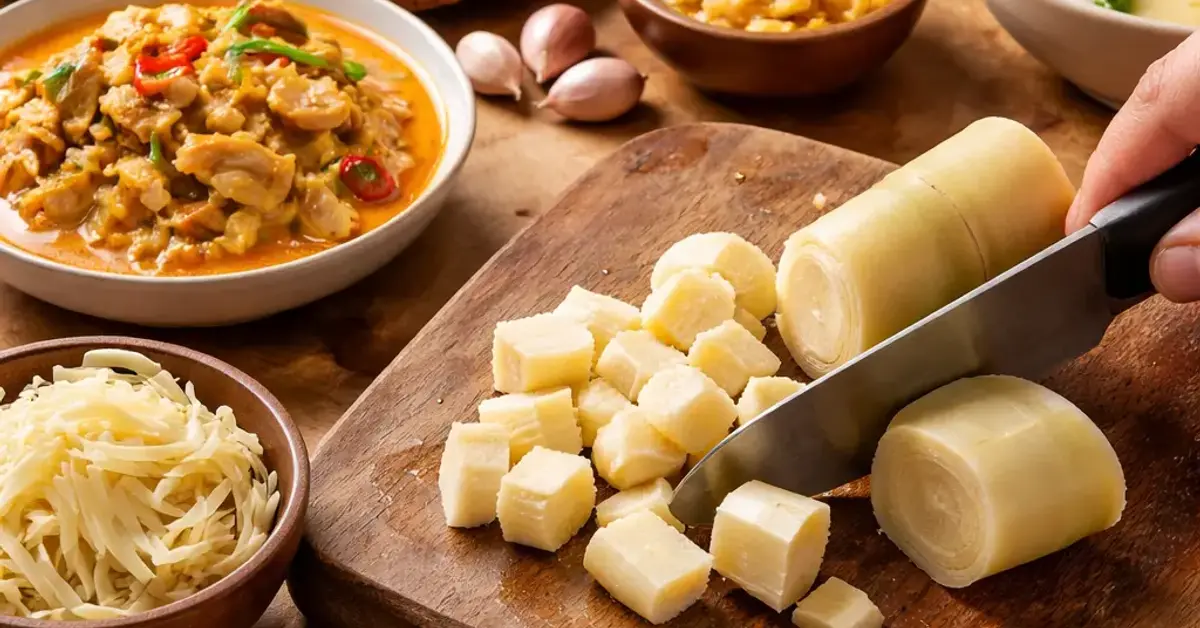
guide to slicing rebung for gulai vs tumis vs lodeh Key Takeaways
Mastering how you slice bamboo shoots (rebung) is the single most important step to achieving the perfect texture and avoiding bitterness in your Indonesian dishes.
- The guide to slicing rebung for gulai vs tumis vs lodeh starts with understanding each dish’s cooking time and liquid level.
- Julienne cuts work best for quick stir-fries (tumis), while thin rounds or half-moons excel in long-simmered gulai.
- Pre-boiling your sliced rebung is non-negotiable to remove natural toxins and soften the fibers before cooking.
Why the Right Cut Matters in Your Guide to Slicing Rebung for Gulai vs Tumis vs Lodeh
Bamboo shoots have a dense, fibrous structure that responds differently to heat depending on thickness. Slice them too thick for a quick tumis and you end up with chewy, undercooked chunks. Slice them too thin for a slow-simmered gulai and they disintegrate into mush. Understanding these mechanics is the foundation of any reliable guide to slicing rebung for gulai vs tumis vs lodeh.
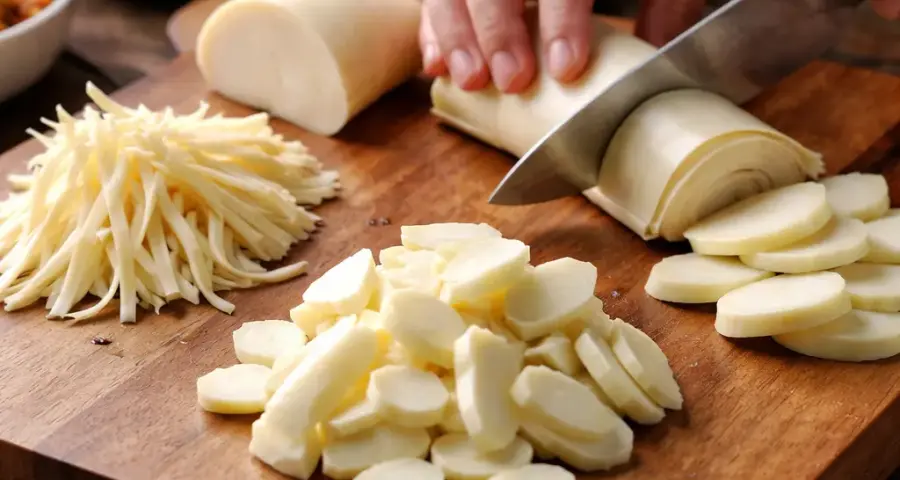
The type of dish also affects how much bitterness remains. Thin slices expose more surface area to water during boiling, which helps leach out hydrocyanic compounds. Thicker slices may retain a slight edge of bitterness unless boiled longer. The choice of cut is therefore a balance between texture control and flavor extraction.
Common Mistake #1: Using One Cut for All Three Dishes
The most frequent error home cooks make is assuming any slice works for every recipe. A uniform julienne might look neat, but it fails both gulai and lodeh where longer cooking times call for sturdier pieces. Conversely, thick wedges ruin the delicate bite of a stir-fry. Your guide to slicing rebung for gulai vs tumis vs lodeh must treat each dish as a separate case with its own ideal dimensions. For a related guide, see 10 Rebung Mistakes to Avoid (And How to Fix Each One).
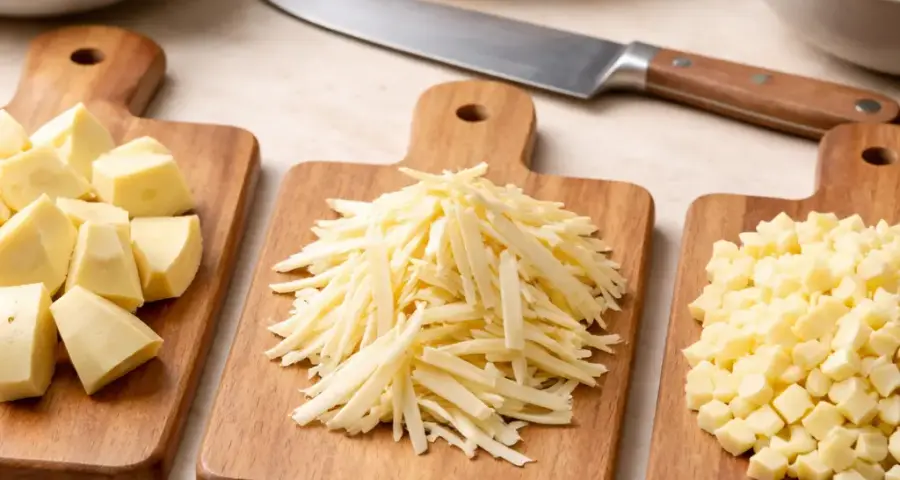
Recommended Cuts at a Glance
Here is a quick comparison table to keep in your kitchen:
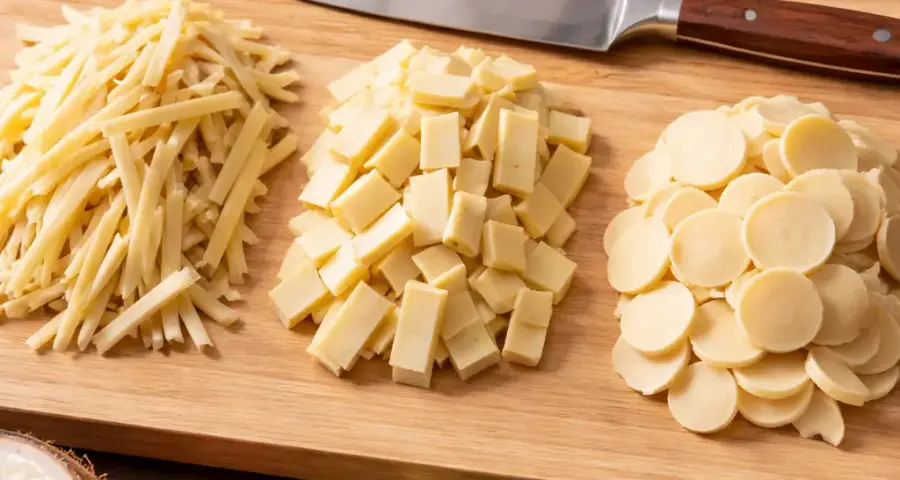
| Dish | Cooking Time | Best Cut for Rebung | Slice Thickness |
|---|---|---|---|
| Gulai | 45–90 minutes | Thin rounds or half-moons | 3–5 mm |
| Tumis | 5–10 minutes | Julienne (matchsticks) | 2–3 mm wide |
| Lodeh | 20–40 minutes | Short batons or angled slices | 4–6 mm |
Rebung untuk gulai benefits from shapes that hold up under prolonged simmering in coconut milk. Rebung untuk tumis needs fine cuts that cook through instantly. Rebung untuk lodeh sits in between — slices should be substantial enough to retain shape but thin enough to absorb the mild broth.
Common Mistake #2: Ignoring the Direction of the Grain
Bamboo shoots have a distinct longitudinal grain, much like celery or lemongrass. Slicing against the grain shortens the fiber length, making the cooked shoot noticeably more tender. Slicing with the grain yields long, stringy pieces that can feel tough even after prolonged cooking.
In your guide to slicing rebung for gulai vs tumis vs lodeh, always cut across the grain for tumis and lodeh where tenderness is paramount. For gulai, you can choose either direction depending on desired mouthfeel, but across-the-grain slices absorb the rich gulai gravy more thoroughly.
Common Mistake #3: Skipping the Pre-Boil Step
Many cooks rush to throw raw slicing rebung directly into the pan. This is a mistake for three reasons: bitterness, texture, and safety. Fresh bamboo shoots contain taxiphyllin, a cyanogenic glycoside that breaks down only with heat and water. Boiling sliced rebung for 10–15 minutes removes this compound and softens the fibers so the final dish is tender.
After boiling, drain and rinse under cold water. At this stage, the shoots are ready to be added to any recipe. For rebung untuk gulai, you can boil them a little longer — up to 20 minutes — to guarantee they won’t be tough after the full simmer. For rebung untuk tumis, a quick 8-minute boil is sufficient since the stir-fry itself is brief.
Common Mistake #4: Cutting All Shoots the Same Size Regardless of Age
Not all bamboo shoots are created equal. Younger shoots are more tender and can handle thinner cuts without falling apart. Older, larger shoots have denser fibers and require slightly thicker slices to maintain integrity during cooking. Adjusting your cut based on the shoot’s age is a mark of an experienced cook and an essential nuance in any complete guide to slicing rebung for gulai vs tumis vs lodeh.
Here is a quick reference:
- Young shoots (pale yellow, narrow diameter): Use julienne for tumis, thin rounds for gulai, short batons for lodeh.
- Mature shoots (greenish or wider than 5 cm): Increase thickness by 1–2 mm across all cuts, and pre-boil for an extra 5 minutes.
Common Mistake #5: Forgetting to Adjust Cook Time After Slicing
Even if you cut perfectly, your final dish can go wrong if you don’t adapt the cooking time to the slice dimensions. For example, if you julienne rebung untuk gulai by accident, reduce the simmer time to 30 minutes to prevent mush. If you use thick half-moons for rebung untuk tumis, extend the stir-fry by 3–4 minutes and add a splash of water to steam them through.
A solid guide to slicing rebung for gulai vs tumis vs lodeh teaches you to treat the cut and cooking method as one integrated decision. When you match them correctly, the result is a harmonious dish where every bite of rebung sings with flavor and texture.
Useful Resources
For more Indonesian cooking techniques and bamboo shoot science, check out these trusted sources:
Cara memotong rebung correctly transforms an ordinary vegetable into the star of your dish. Use this guide to slicing rebung for gulai vs tumis vs lodeh every time you cook, and you’ll never face another mushy or bitter bamboo shoot again. Happy cooking!
Frequently Asked Questions About guide to slicing rebung for gulai vs tumis vs lodeh
Can I use frozen rebung for these dishes?
Yes, frozen bamboo shoots are already pre-boiled. Thaw and drain them before slicing, then follow the recommended cuts for each dish. Reduce boiling time to 3–5 minutes just to reheat.
What is the best knife for slicing rebung ?
A sharp chef’s knife or a Chinese cleaver works best. Dull blades crush the fibers rather than slicing cleanly, leading to uneven cooking and a ragged appearance.
Should I peel rebung before slicing?
Yes, always remove the tough outer leaves. The edible core is pale and tender. Trim any woody base and discard the layered husk completely.
How thin should I slice rebung for tumis?
Aim for matchstick-sized pieces about 2–3 mm wide. This ensures they cook through in under 10 minutes without becoming soggy.
Can I slice rebung a day ahead?
Slice and blanch them, then store in cold water in the fridge for up to 24 hours. Change the water once to prevent souring. Drain before cooking.
Why does my gulai rebung taste bitter?
Bitterness usually comes from inadequate boiling or using older shoots. Boil sliced rebung for at least 15 minutes, discarding the water, before adding to gulai.
Does the cut affect the rebung’s nutritional value?
Minimally. The cut primarily affects texture and cooking time, not nutrition. However, thinner slices release more natural sugars into the cooking liquid, which may slightly reduce calorie content.
Can I use a mandoline for slicing rebung ?
Yes, a mandoline produces uniform slices quickly. Use the julienne attachment for tumis and the 3–5 mm setting for gulai or lodeh. Watch your fingers as bamboo shoots can be slippery.
What is the difference between rebung and canned bamboo shoots?
Fresh rebung has superior texture and flavor but requires proper preparation. Canned shoots are pre-cooked and softer, making them less ideal for gulai where structural integrity matters. For a related guide, see Rebung Storage Guide: Smart Tips for Fresh, Canned, Frozen, or Dried.
How do I store leftover rebung after slicing?
Keep blanched slices in an airtight container covered with water in the refrigerator for 2–3 days. Re-blanch briefly before using if the water smells sour.
Is rebung safe to eat raw?
No, raw bamboo shoots contain cyanogenic compounds that can cause digestive discomfort. Always boil or cook them thoroughly before consumption.
Can I slice rebung for lodeh in a food processor?
A food processor with a slicing disc works for uniform rounds, but avoid using the grating attachment as it produces uneven shreds that turn mushy in lodeh.
What if my rebung is already sliced from the market?
Check the thickness. If it’s too thick for your dish, slice each piece in half crosswise or lengthwise. Re-boil for 5 minutes to compensate for any storage delay.
Does rebung need to be soaked after slicing?
Soaking in salted water for 30 minutes after slicing can help draw out bitterness before boiling. Rinse thoroughly before cooking.
Can I use the same cut for rebung in sambal goreng?
Sambal goreng rebung is similar to tumis. Use julienne or thin batons. The spicy sambal coats the fine slices evenly for maximum flavor.
How do I know if my rebung is too old for these dishes?
Older shoots feel heavy, have a wider diameter, and show more pronounced fibrous lines. They work better in gulai with extra boiling time. Avoid them for tumis.
Should I cut rebung on a bias for any dish?
Angled (bias) cuts increase surface area for faster cooking and better sauce cling. They work well for lodeh and gulai if you want a more elegant presentation.
Can I mix different cuts in the same dish?
It’s not recommended because uneven sizes cook at different rates. Some pieces will be done while others remain crunchy or become pasty.
How does the cut affect the dish’s appearance?
Thin rounds in gulai look rustic and absorb the yellow gravy, while neat julienne in tumis gives a professional, restaurant-style finish. Cuts influence plate appeal.
Is there a traditional way to slice rebung in Indonesian cooking?
Traditional cooks often slice rebung into thin half-moons for gulai and tiny matchsticks for tumis using a heavy cleaver. The methods have been passed down through generations.