
rehydrating dried bamboo shoots Key Takeaways
Dried bamboo shoots are a shelf-stable pantry staple in many Asian cuisines, prized for their unique crunch and subtle earthy flavor.
- The two-step soak-and-boil method is the most reliable approach for rehydrating dried bamboo shoots to a tender yet firm texture.
- Changing the water during soaking reduces bitterness and removes residual preserving compounds.
- Thicker shoots need longer rehydration times, and a pinch of sugar in the final boil can enhance natural sweetness.
What You Need to Know Before Rehydrating Dried Bamboo Shoots
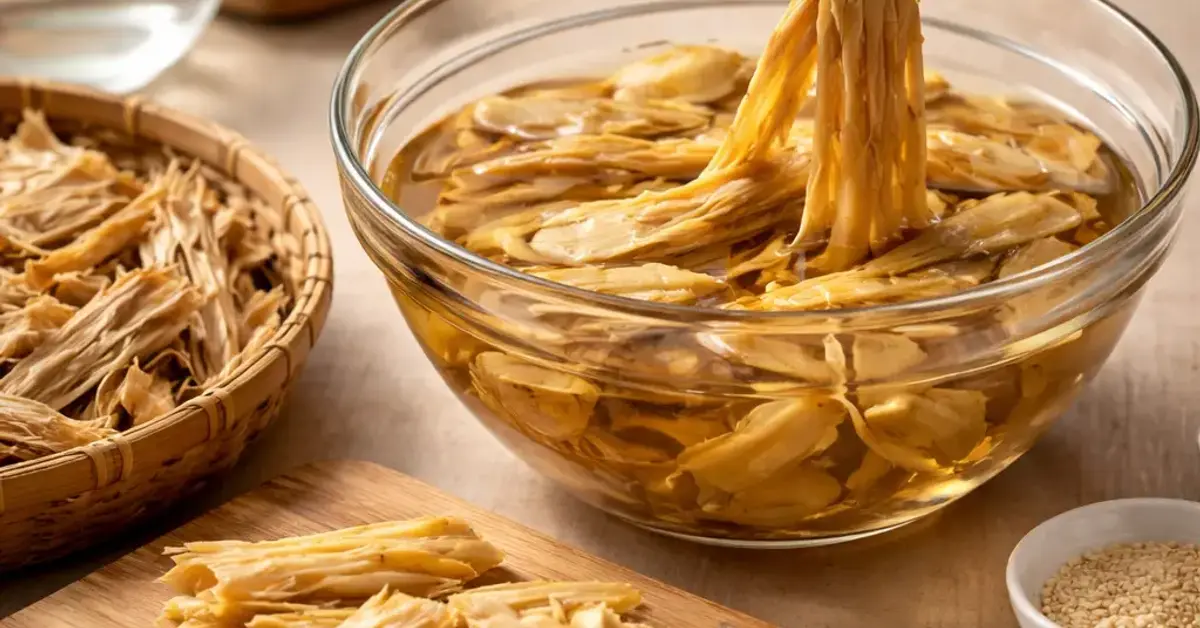
Rehydrating dried bamboo shoots is not complicated, but it does require patience and a little planning. The dried form is essentially fresh bamboo shoot that has been boiled, sliced, and then dehydrated for long-term storage. When you rehydrate them, you are reversing that process — coaxing water back into the cellular structure to restore pliability and volume.
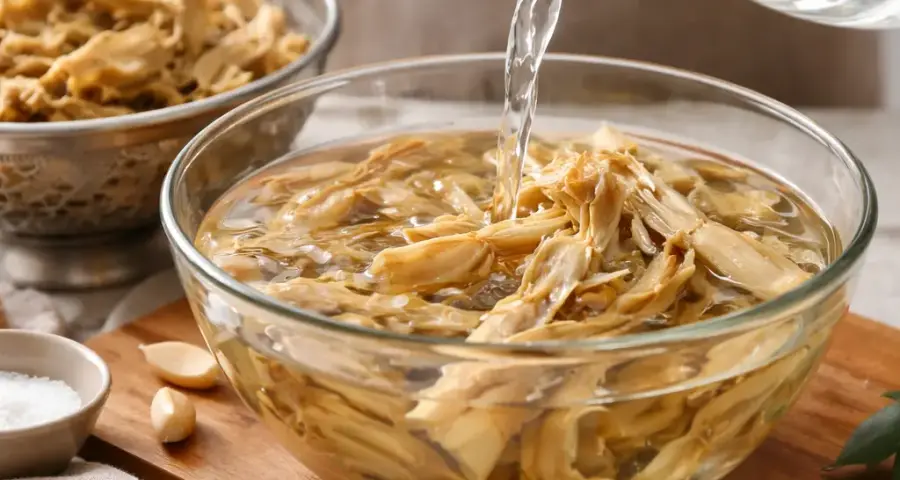
One common mistake is underestimating the time required. Thin strips might be ready in a few hours, but whole or thick-cut shoots can take overnight. Another oversight is skipping the initial rinse, which washes away surface dust and any residual lime or salt used during processing.
Quality also matters. Older batches of dried bamboo shoots may have a stronger, almost fermented smell. That aroma diminishes significantly with proper soaking and a couple of water changes, so don’t let it put you off.
How to Rehydrate Dried Bamboo Shoots: Step-by-Step Method
This method works for all types of dried bamboo shoots — sliced, shredded, or whole. The process is broken into three phases: preparation, soaking, and cooking. For a related guide, see Dried Bamboo Shoots: Easy Rehydration Method and 3 Top Brands Ranked.
Step 1: Rinse and Sort
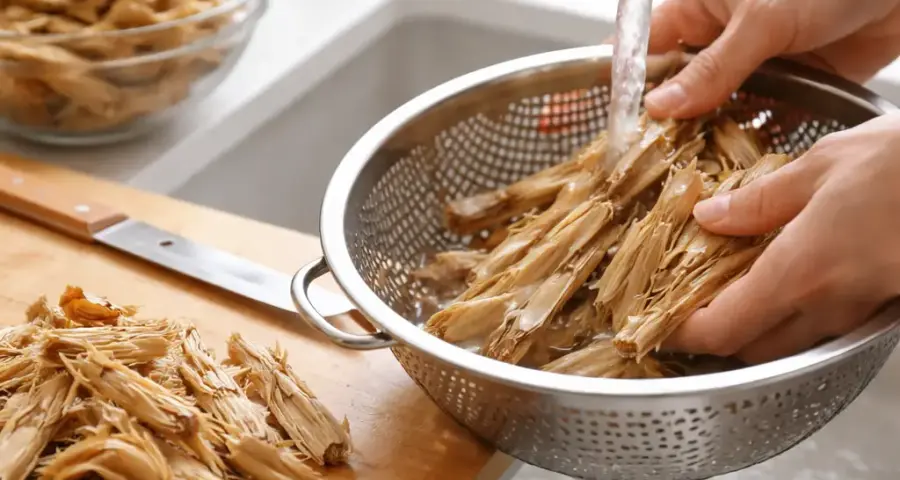
Place the dried shoots in a colander and rinse under cold running water for 30 seconds. Pick through them to discard any discolored pieces or bits of debris. If the shoots are very large, break them into smaller pieces so they rehydrate more evenly.
Step 2: Cold Water Soak (Overnight Recommended)
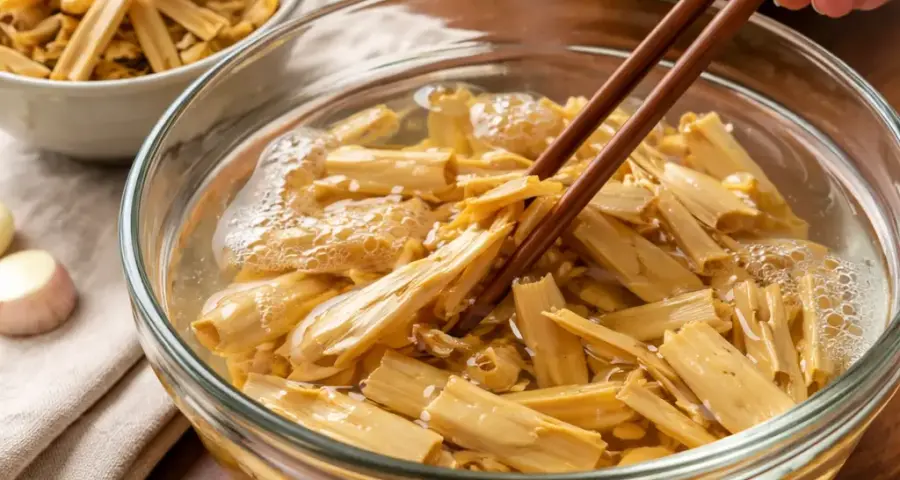
Transfer the rinsed shoots to a large bowl and cover with cold water by at least 2 inches. Let them soak for 8 to 12 hours. Change the water once or twice during that time if possible — this helps leach out any lingering bitterness. For a faster option, use warm water and soak for 3 to 4 hours, changing the water halfway.
Step 3: Boil to Finish Rehydration
After soaking, drain the shoots and place them in a saucepan. Cover with fresh cold water and bring to a boil. Reduce the heat to a gentle simmer and cook for 45 minutes to 1 hour. Thicker pieces may need up to 90 minutes. The shoots are ready when they feel tender but still have a slight resistance when bitten. Drain and rinse one last time before using.
Step 4: Season While Warm (Optional but Recommended)
If you plan to use the shoots in a dish with a mild broth or light sauce, toss the warm drained shoots with a splash of soy sauce and a few drops of sesame oil. This infuses flavor deep into the fibers while they are still porous.
Key Tips for Rehydrating Dried Bamboo Shoots Perfectly
Even experienced cooks occasionally end up with shoots that are too soft or still have a chalky center. Here are five signals that separate good results from great ones.
Watch the Water Temperature
Hot water speeds up rehydration but can make the outer layers mushy before the center softens. Always start with a long cold soak, then finish with a gentle simmer. Never boil aggressively during the final step — that can cause the shoots to fall apart.
Use a Pinch of Baking Soda
If your dried shoots are unusually tough, add ½ teaspoon of baking soda to the soaking water. This slightly alkaline environment helps break down fibers faster. Just be sure to rinse very thoroughly afterward to remove any soapy taste.
Test for Doneness by Bending
Take a piece of shoot and bend it gently. Properly rehydrated shoots should bend without cracking. If it snaps, it needs more time. If it feels floppy and tears easily, it is over-hydrated and best reserved for soups where texture matters less.
Save the Cooking Liquid
The water used to boil the shoots is rich in umami and minerals. Let it cool, then freeze it in small containers to use as a flavorful broth base for ramen, miso soup, or braised vegetables.
Pair with the Right Cooking Method
Rehydrated bamboo shoots work best in dishes that involve some simmering or stir-frying. They are less ideal for raw salads or cold preparations unless they are very thinly sliced after rehydration.
Common Problems and How to Fix Them
Even when following the steps closely, you might encounter a few issues. Here is how to troubleshoot the most common ones.
Shoots Still Have a Bitter Taste
Bitterness usually means not enough water changes during the soak. Next time, soak for a full 12 hours and change the water three times. If you are in a hurry, blanch the shoots in boiling water for 2 minutes, drain, and repeat before the main soak. For a related guide, see Boiling Bamboo Shoots: Avoid Toxicity With Proven Times and Doneness Tests.
Shoots Are Too Soft and Mushy
This happens when the temperature is too high during the final cook or the shoots were soaked too long. For future batches, reduce the simmer to the lowest possible setting and check doneness after 40 minutes. If you already have mushy shoots, use them in a pureed soup or grind them into a paste for fillings.
Shoots Feel Rubbery
Rubberiness indicates under-hydration. The interior is still dense. Return the shoots to the pot, add fresh water, and simmer for another 30 minutes. Let them cool in the liquid before draining.
Variations: Different Soaking Liquids for More Flavor
Once you master the basic method, experiment with these simple variations to add extra depth to your dishes.
| Soaking Liquid | Flavor Profile | Best Used In |
|---|---|---|
| Cold water (standard) | Neutral, clean | Any dish |
| Cold water + kombu (kelp) | Subtle marine umami | Japanese soups, dashi-based broths |
| Cold water + dried shiitake | Earthy, savory | Chinese braises, hot pot |
| Cold water + pinch of salt | Slightly seasoned | Stir-fries where salt is added later |
| Warm water + rice vinegar (1 tbsp per quart) | Bright, tangy | Vietnamese-style salads, pickled shoots |
For any of these flavored soaks, use the liquid only for the initial cold soak. Switch to plain water for the boiling step so the flavors do not become overwhelming.
Storing Rehydrated Bamboo Shoots
Once rehydrated, bamboo shoots are perishable. Store them in an airtight container covered with fresh cold water in the refrigerator. Change the water every day to keep them fresh for up to 5 days.
For longer storage, drain the shoots thoroughly, pat them dry, and freeze them in a single layer on a baking sheet. Once frozen solid, transfer to a freezer bag. They will keep for up to 3 months. Use them directly from frozen in soups and stews — no need to thaw first.
Useful Resources
For a deeper look at the science behind rehydrating dried ingredients, Serious Eats has an excellent guide on how to rehydrate dried mushrooms (the same principles apply to bamboo shoots).
To explore classic Chinese recipes that feature rehydrated bamboo shoots, The Woks of Life offers a thorough collection of bamboo shoot recipes and preparation tips.
Frequently Asked Questions About rehydrating dried bamboo shoots
Can I rehydrate dried bamboo shoots without soaking overnight?
Yes, you can use warm water and soak for 3 to 4 hours, changing the water once. The texture will be less tender than an overnight soak, but it is fine for stir-fries.
How long does it take to rehydrate dried bamboo shoots fully?
Thin strips need about 4 to 6 hours of soaking plus 30 minutes of simmering. Whole or thick shoots require 8 to 12 hours of soaking and up to 90 minutes of simmering.
Do I need to boil dried bamboo shoots after soaking?
Yes, boiling (or simmering) after soaking is essential to fully soften the fibers and eliminate any residual preserving compounds. Cold soaking alone is not enough.
Why are my rehydrated bamboo shoots bitter?
Bitterness usually results from insufficient water changes during soaking or from using very low-quality shoots. Soak for at least 8 hours and change the water twice.
Can I use a pressure cooker to rehydrate dried bamboo shoots faster?
Yes. After a quick 30-minute warm soak, pressure cook the shoots on high for 20 minutes with plenty of water. Let the pressure release naturally.
Should I salt the soaking water?
It is not necessary, but a small pinch of salt can help season the shoots from the inside out. Do not use more than ½ teaspoon per quart.
What is the best ratio of water to dried bamboo shoots?
Use at least 3 parts water to 1 part shoots by volume. The shoots expand significantly, so leave room in the bowl.
Can I rehydrate dried bamboo shoots in broth instead of water?
Yes, using vegetable or chicken broth adds flavor. Be aware that the broth will become diluted, so adjust seasoning in your final dish.
How do I know when dried bamboo shoots have gone bad?
Dried shoots that smell strongly of ammonia, have visible mold, or feel slimy after soaking should be discarded. Fresh dried shoots have a faint earthy aroma.
Can I skip the rinse before soaking?
It is best to rinse first to remove dust and any surface residue from processing. Skipping it can lead to cloudy soaking water and off-flavors.
Is it safe to eat rehydrated bamboo shoots raw?
Rehydrated shoots that have been thoroughly boiled are safe to eat without further cooking. However, they are usually more palatable when heated in a dish.
Do I need to peel dried bamboo shoots?
Most dried bamboo shoots are sold already peeled and sliced. If you have whole dried shoots, peel off any tough outer layers after the initial soak.
Can I freeze dried bamboo shoots without rehydrating them first?
There is no benefit to freezing dried shoots — they keep perfectly at room temperature in a sealed container. Freeze only after rehydrating.
How do I rehydrate dried bamboo shoots for soup?
Follow the standard soak-and-simmer method but add the shoots directly to the soup pot during the last 30 minutes of cooking. The soup liquid will absorb extra flavor.
What causes the white film on rehydrated bamboo shoots?
A slight white film is usually starch or natural sugars that leached out during soaking. Rinse the shoots well, and it will disappear. If it smells sour, discard them.
Can I rehydrate dried bamboo shoots in milk?
Milk is not recommended because it can curdle and leave an unpleasant residue. Stick to water or light broths.
Are rehydrated bamboo shoots keto-friendly?
Yes, bamboo shoots are very low in net carbohydrates and fit well into a keto or low-carb diet after rehydration.
How do I rehydrate dried bamboo shoots without a stove?
Soak in warm water for 4 to 6 hours, changing the water twice. Then microwave the shoots in a bowl of water on high for 5 minutes, let rest for 10 minutes, and repeat until tender.
Can I use the soaking water for cooking?
Only use the final simmering water (after boiling) in recipes. The initial soak water should be discarded because it contains impurities and bitter compounds.
What is the shelf life of dried bamboo shoots?
Stored in a cool, dark, dry place in an airtight container, dried bamboo shoots last 1 to 2 years. Over time they may darken and lose some flavor but remain safe to eat.