
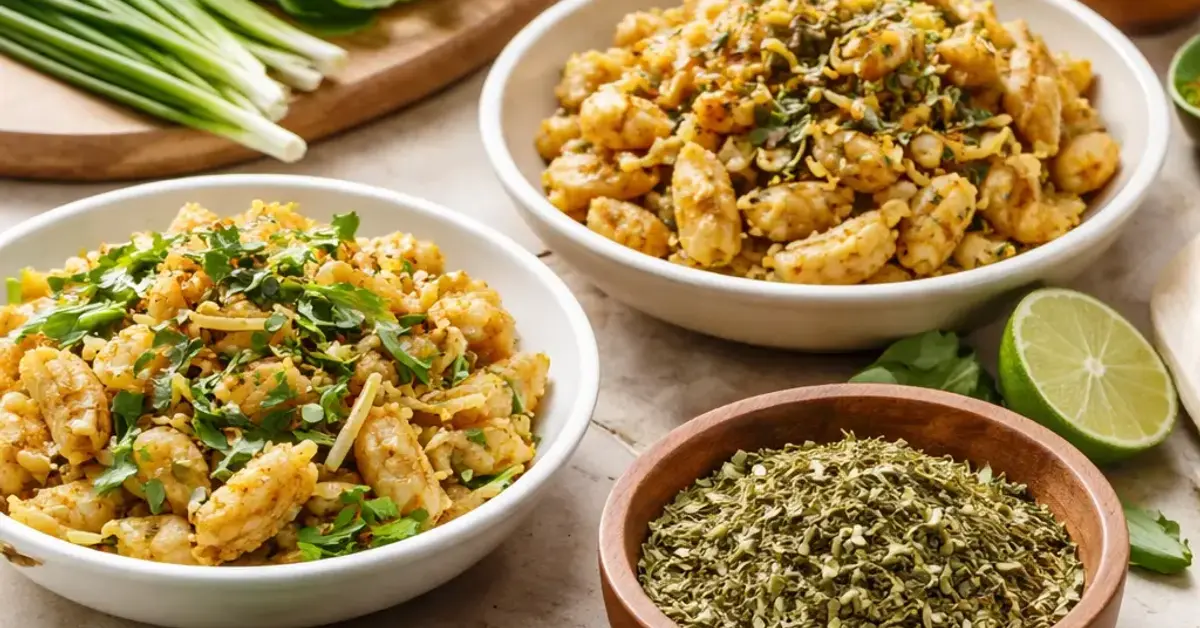
fresh vs dried herbs rebung recipes Key Takeaways
Choosing between fresh vs dried herbs rebung recipes can transform your dish from ordinary to exceptional.
- Fresh herbs add bright, aromatic notes ideal for finishing dishes and delicate bamboo shoots.
- Dried herbs offer concentrated flavor that holds up during long simmering with Rebung.
- Learn the 3:1 substitution rule and when to break it for optimal taste in Southeast Asian cooking.
Why Fresh vs Dried Herbs Rebung Recipes Demand a Careful Choice
Rebung, or young bamboo shoots, have a mild, slightly sweet flavor and a tender-crisp texture. They absorb surrounding seasonings beautifully, which means your herb selection directly impacts the final taste. The debate of fresh vs dried herbs rebung recipes centers on when each form releases its essential oils and how those oils interact with the shoot’s moisture. For a related guide, see Spice Pairing Guide for Rebung: 5 Proven Flavor Combos.
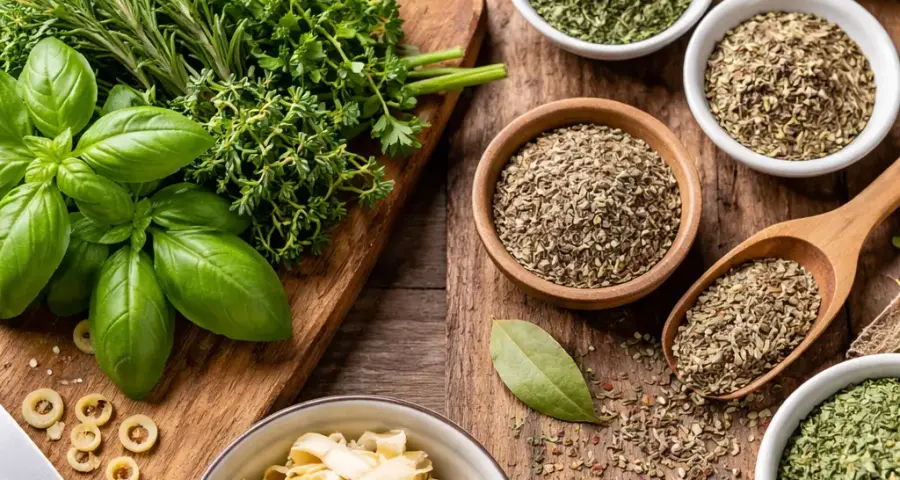
Fresh herbs, such as cilantro, Thai basil, and mint, deliver volatile aromatics that dissipate with prolonged heat. Dried herbs, like bay leaves, dried oregano, or dried lemongrass, release their flavors slowly, making them ideal for braises and curries. Understanding this core difference helps you pick the right herb at the right moment.
5 Smart Tips for Using Fresh vs Dried Herbs in Rebung Recipes
Applying the right herb at the right stage is the secret to balanced Rebung dishes. Here are five actionable tips to elevate your cooking.
Tip 1: Match the Herb Form to the Cooking Method
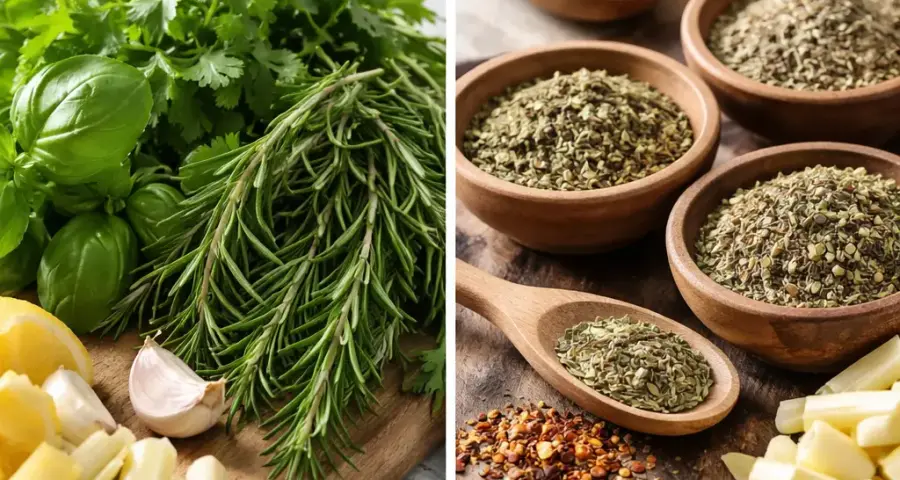
If you are stir-frying Rebung for a quick side dish, fresh herbs like scallions or Thai basil work best. Add them off the heat to preserve their fragrance. For slow-simmered Rebung curries or soups, dried herbs such as dried galangal or kaffir lime leaves release their punch gradually, infusing the broth without turning bitter.
Tip 2: Follow the 3:1 Substitution Rule—But Adjust for Rebung
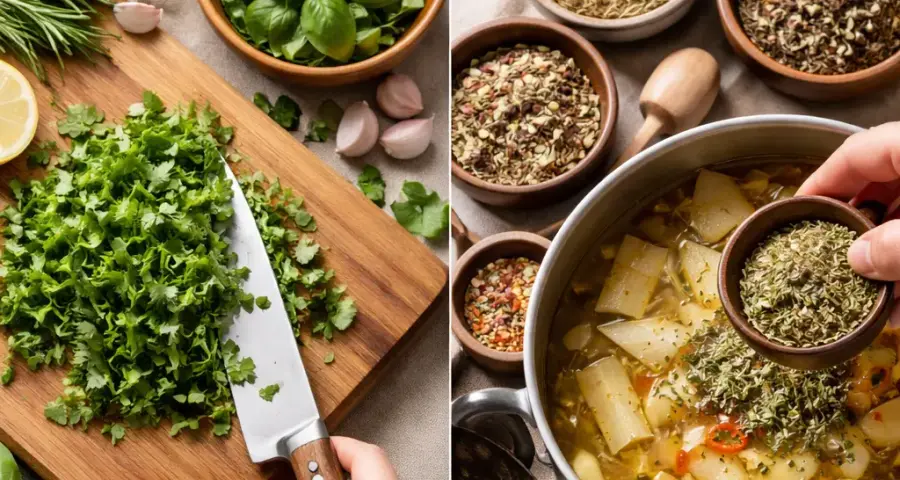
The standard ratio for substituting dried herbs for fresh is 1 tablespoon fresh = 1 teaspoon dried. However, Rebung’s mild flavor means you may need to increase the dried amount by an extra ½ teaspoon per tablespoon called for, especially in broths. Taste as you go, because dried herbs intensify during cooking.
Tip 3: Refresh Dried Herbs with a Quick Bloom
Before adding dried herbs to a Rebung recipe, bloom them in a little hot oil or coconut milk for 30 seconds. This step rehydrates the leaves and unlocks volatile compounds that mimic fresh herb brightness. It works beautifully with dried turmeric, ginger, or cumin leaves.
Tip 4: Use Fresh Herbs as a Final Garnish for Visual Appeal
Even if you use dried herbs during cooking, always finish your Rebung dish with a sprinkle of fresh herbs. The contrast in color and aroma signals freshness. A handful of chopped cilantro or micro Thai basil turns a home-cooked meal into a restaurant-quality plate.
Tip 5: Store Herbs Properly to Maintain Potency
Fresh herbs lose intensity within days. Wrap them in damp paper towels inside a sealed bag in the fridge—this keeps basil, mint, and cilantro usable for up to a week. Dried herbs should be kept in airtight glass jars away from light and heat. Replace dried herbs every six months for the best flavor in your Rebung recipes.
Best Herb Combinations for Rebung Dishes
Some herb pairings work exceptionally well with bamboo shoots. Here is a quick reference table for common Rebung preparations.
| Dish Type | Fresh Herbs (finishing) | Dried Herbs (cooking) |
|---|---|---|
| Stir-fried Rebung | Thai basil, scallions, cilantro | Dried garlic, dried chili flakes |
| Rebung curry (coconut-based) | Mint, fresh curry leaves | Dried galangal, dried lemongrass |
| Rebung soup (clear broth) | Green onions, fresh dill | Bay leaves, dried ginger |
| Rebung salad (raw or blanched) | Mint, cilantro, fresh lime leaves | None (use fresh only) |
Common Mistakes When Using Fresh vs Dried Herbs in Rebung Recipes
Avoid these pitfalls to keep your Rebung dishes balanced.
Overcooking Fresh Herbs
Adding fresh herbs too early in a simmering Rebung dish will turn them bitter and colorless. Always add them during the last minute of cooking or as a garnish.
Using Dried Herbs Past Their Prime
Dried herbs that have sat on the shelf for over a year lose almost all their essential oils. Your Rebung recipe will end up tasting flat. If the herb has no smell, it won’t add flavor.
Ignoring the Salt Factor
Dried herbs often contain concentrated salts or blends. When substituting dried for fresh in a Rebung recipe, reduce added salt by a pinch until you taste the final dish.
Useful Resources
For more on herb measurement conversions, visit the Spruce Eats guide to herb substitutions.
To explore authentic Southeast Asian Rebung recipes, check out Saveur’s collection of bamboo shoot dishes.
Frequently Asked Questions About fresh vs dried herbs rebung recipes
Can I use dried herbs in place of fresh in any Rebung recipe?
Yes, but adjust the quantity and timing. Use one-third the amount of dried herbs and add them early in the cooking process so they have time to rehydrate and release flavor.
What is the best dried herb for Rebung stir-fry?
Dried garlic flakes and dried chili work well in stir-fries because they release flavor quickly in hot oil without needing long simmering.
How do I store fresh herbs so they last longer?
Wrap herbs loosely in a damp paper towel, place them in a resealable plastic bag with a little air, and store in the refrigerator crisper drawer. Change the paper towel every two days.
Should I use fresh or dried lemongrass for Rebung curry?
Both work, but dried lemongrass is more convenient for long-simmered curries. Fresh lemongrass should be bruised and added whole, then removed before serving. Dried lemongrass powder can be stirred directly into the curry paste.
Can I freeze fresh herbs for later use in Rebung dishes?
Yes. Chop fresh herbs, pack them into ice cube trays with a little water or oil, and freeze. Add the cubes directly to soups or curries—they won’t be crisp but will retain flavor.
Why does my Rebung dish taste bitter when I use dried herbs?
Bitterness often comes from old dried herbs or from adding them too late in the cooking process. Always check the freshness and bloom dried herbs in oil before adding liquid.
What fresh herbs are essential for authentic Rebung recipes ?
Thai basil, cilantro, mint, and scallions are the most common. For specific regional variations, fresh culantro (sawtooth herb) and fresh turmeric leaves are also used.
How do I substitute dried basil for fresh basil in a Rebung salad?
Dried basil is not recommended for salads because it lacks the tender texture and bright aroma. If you must, crush dried basil finely and toss with a little lime juice before adding.
What is the shelf life of dried herbs?
Most dried herbs retain peak flavor for 6 to 12 months when stored in a cool, dark, airtight container. After that, they lose potency but remain safe to use in larger quantities.
Can I combine fresh and dried herbs in the same Rebung recipe?
Absolutely. Use dried herbs during cooking for depth and finish with fresh herbs for brightness. This layering technique is common in Thai and Indonesian bamboo shoot dishes.
Do dried herbs need to be rehydrated before adding to Rebung recipes ?
Not always, but rehydrating (blooming) in hot oil or a small amount of broth intensifies their flavor. This step is especially helpful for woody herbs like dried rosemary or bay leaves.
What is the moisture content of fresh Rebung and how does it affect herb absorption?
Fresh Rebung has a high water content (around 90%). This means it dilutes strong dried herbs slightly, so you may need to season more aggressively than with drier vegetables like carrots.
Are there any herbs that should never be used dried in Rebung dishes?
Fresh herbs with very delicate leaves—like chervil, chives, or fresh dill—lose almost all character when dried. Stick to fresh versions for these.
How do I adjust cooking time when using dried herbs in a quick Rebung recipe?
If a recipe calls for fresh herbs but you only have dried, add them at the beginning of cooking instead of the end. This gives them time to soften and integrate.
Can I grow my own herbs for Rebung recipes ?
Yes. Thai basil, mint, and cilantro are easy to grow in pots or garden beds. Freshly picked herbs have the strongest flavor and are perfect for finishing Rebung dishes.
What is the role of salt in dried herb blends for Rebung cooking?
Many commercial dried herb blends include salt as a preservative and flavor enhancer. When using them, reduce added salt in the recipe to avoid over-seasoning the mild Rebung. For a related guide, see 5 Essential Tips for Balancing Salt, Sweet, Sour, and Spicy in Rebung Dishes.
How do I know if my dried herbs are still good?
Crush a small amount between your fingers. If the aroma is faint or musty, replace them. Fresh dried herbs should release a strong, recognizable scent immediately.
Can I use dried herbs in a Rebung salad dressing?
Yes, but steep dried herbs in warm oil or vinegar for 15 minutes before mixing the dressing. This extracts flavor without adding raw, dusty textures.
What is the best way to chop fresh herbs for Rebung recipes ?
Use a sharp knife and a gentle rocking motion. Avoid crushing the leaves, which can cause browning and loss of essential oils. For basil, roll the leaves first for a clean chiffonade.
Do I need to peel Rebung before cooking with herbs?
Yes, remove the tough outer layers of the bamboo shoot. The tender inner flesh absorbs herb flavors much better. After peeling, slice or dice as your recipe requires.