
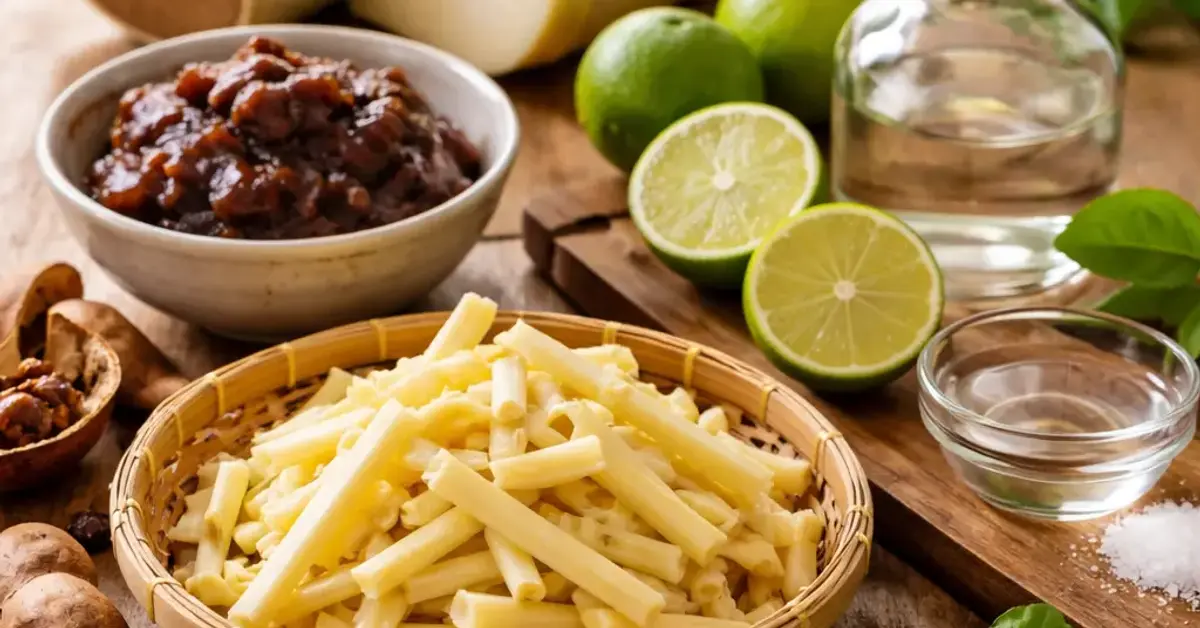
souring agents for rebung Key Takeaways
Rebung, or young bamboo shoots, have a naturally earthy, slightly bitter taste that benefits from a touch of acidity.
- souring agents for rebung include tamarind, lime, and vinegar, each offering distinct flavor profiles and acidity levels.
- Tamarind provides a deep, fruity tang ideal for slow-cooked dishes, while lime delivers a fresh, bright citrus note.
- Vinegar (rice, white, or apple cider) is a versatile pantry staple that works well for pickling and quick stir-fries.
What Makes Souring Agents for Rebung So Important?
Cooking rebung without a souring agent often results in a dish that tastes flat or overly vegetal. The natural bitterness of bamboo shoots needs a counterbalance, and acidity fills that role beautifully. Beyond flavor, acidic ingredients also help break down the shoots’ fibrous texture, making them tender and more pleasant to eat. In many Southeast Asian kitchens, adding a souring agent is not optional—it’s a foundational step that transforms rebung from tough and bland to vibrant and delicious. For a related guide, see 5 Essential Tips for Balancing Salt, Sweet, Sour, and Spicy in Rebung Dishes.
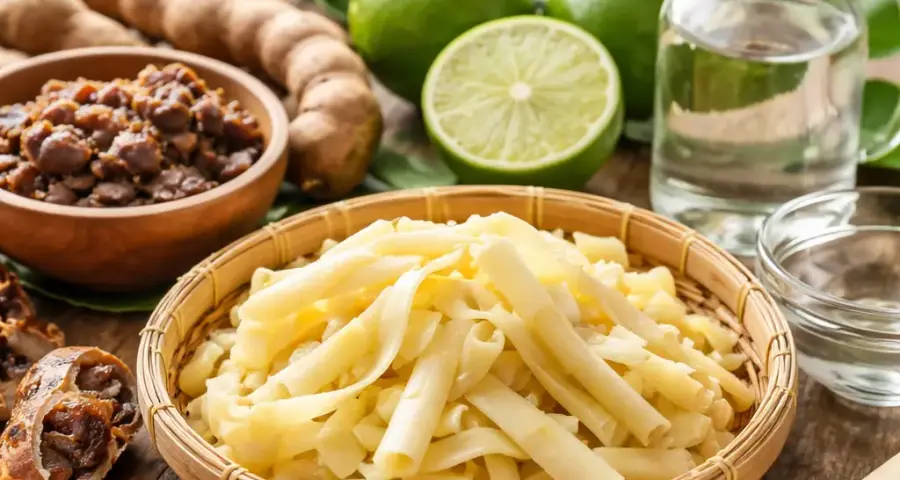
Each souring agent brings its own character to the table. Tamarind adds complexity, lime adds freshness, and vinegar adds sharpness. Understanding when to use each one will elevate your cooking and help you achieve the exact taste you’re aiming for.
1. Tamarind: The Classic Rebung Souring Agent
Tamarind is arguably the most traditional souring agent for rebung in Southeast Asian cooking. It comes from the pulp of the tamarind pod and offers a deep, fruity sourness that lingers pleasantly. Unlike lime or vinegar, tamarind has a subtle sweetness and an almost caramel-like undertone that pairs beautifully with smoky or spicy dishes. For a related guide, see Rebung Prepping Made Easy: A Beginner’s Guide to Peeling and Cooking.
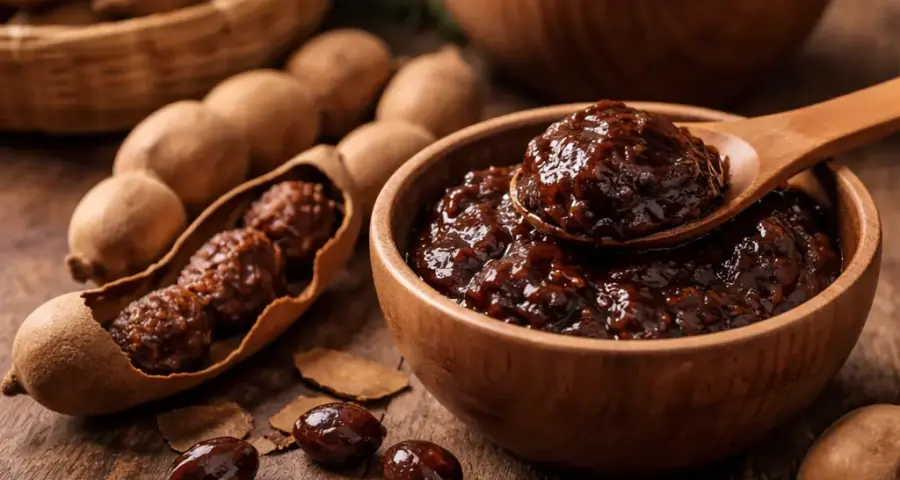
How to Use Tamarind for Rebung
You can buy tamarind as a pressed block of pulp (with seeds) or as a concentrated paste. For rebung, the pulp method is more authentic. Soak a golf-ball-sized piece of tamarind pulp in about ¼ cup of warm water for 10 minutes, then mash it with your fingers and strain out the seeds and fibers. Use the liquid in your curry, soup, or stir-fry.
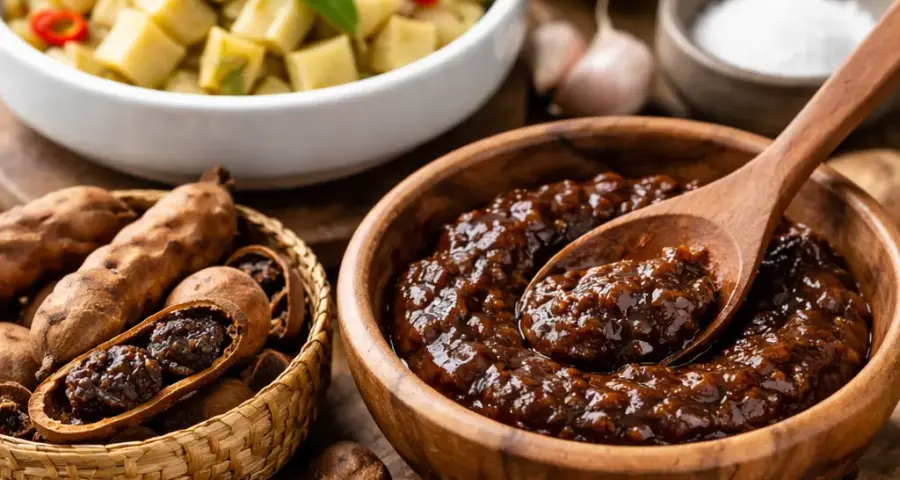
Best dish pairing: Tamarind works wonders in slow-simmered bamboo shoot curries (like rebung lemak or masak lemak) where the acidity has time to meld with coconut milk and spices.
2. Lime Juice: A Bright, Fresh Souring Agent for Rebung
Lime juice, usually from key limes or regular Persian limes, is the go-to choice when you want a clean, sharp acidity without added sweetness. Its bright citrus punch can instantly wake up a dish of rebung, especially if you are serving it with grilled meats or seafood.
When to Add Lime Juice
Unlike tamarind, you should add lime juice near the end of cooking or even just before serving. Prolonged heat can dull its flavor and cause bitterness. A squeeze of fresh lime right before plating gives the rebung a lively tang that cuts through richness.
Best dish pairing: Lime is perfect for light soup versions of rebung, such as a clear bamboo shoot soup with ginger and chili, or as a finishing touch for a rebung salad (like a Southeast Asian-style slaw).
3. Vinegar: The Versatile Pantry Rebung Souring Agent
Vinegar is the most accessible of the three souring agents for rebung. Its high acidity level makes it ideal for pickling or quick cooking methods where you need a fast infusion of tang. Rice vinegar, white distilled vinegar, and apple cider vinegar are the most common options, each with a slightly different personality.
Choosing the Right Vinegar for Rebung
- Rice vinegar: Mild and slightly sweet—best for delicate stir-fries or when you don’t want the sourness to overpower.
- White vinegar: Sharp and neutral—great for pickling rebung because it preserves color and adds a clean sourness.
- Apple cider vinegar: Fruity and mellow—works well in braises or sauces where you want a subtle apple note alongside the acidity.
Best dish pairing: Use vinegar for quick pickled rebung (acar rebung) or in stir-fries where you deglaze the pan with a splash of vinegar at the end.
Choosing the Right Souring Agents for Rebung: A Quick Comparison
| Souring Agent | Flavor Profile | Best Cooking Method | When to Add |
|---|---|---|---|
| Tamarind | Fruity, deep, slightly sweet | Slow simmer, curries, stews | Early in cooking |
| Lime juice | Bright, fresh, sharp | Salads, finishing touch, light soups | At the end or off-heat |
| Vinegar (rice/white/ACV) | Neutral to fruity, high tang | Pickling, stir-fries, quick braises | Mid to late cooking |
This table should help you decide at a glance. If you’re making a rich, spicy curry, go with tamarind. If you want a fresh, citrusy finish, reach for lime. For a quick weeknight meal or pickling project, vinegar is your best friend.
Pro Tips for Using Souring Agents for Rebung
Getting the best results from your chosen souring agent requires a little technique. Here are a few practical pointers:
- Start small. You can always add more acidity, but you can’t remove it. Taste as you go.
- Balance with salt and heat. Sourness works in harmony with salt, chili, and umami-rich ingredients like shrimp paste or fish sauce. Adjust these elements together for a rounded dish.
- Prepare rebung properly first. Always boil or pre-cook bamboo shoots to remove natural toxins and soften them before you add the souring agent. Boiling also reduces bitterness that may compete with the acidity.
- Substitution rule of thumb: If you lack tamarind, use 1 tablespoon lime juice + ½ teaspoon brown sugar per tablespoon of tamarind liquid. If you lack lime, use rice vinegar with a pinch of sugar. For vinegar substitution, lime juice works one-to-one in most recipes.
A Practical Takeaway: Simple Rebung Dish with Tamarind
To put this guide into action, here is a straightforward idea: stir-fry boiled rebung slices with garlic, shallots, and dried shrimp. Add a splash of tamarind liquid, a pinch of salt, and a few slices of red chili. Cook until the liquid mostly evaporates. Finish with a squeeze of lime and serve with steamed rice. This recipe uses two souring agents for rebung together, giving you the depth of tamarind and the freshness of lime in one dish.
Experiment with the ratios, and soon you will develop a feel for how each souring agent behaves. The more you cook with them, the more intuitive it becomes.
Useful Resources
For further reading on the culinary uses of bamboo shoots and Southeast Asian cooking techniques, these resources are excellent starting points:
- Serious Eats: Southeast Asian Cooking Guide – A comprehensive resource covering key ingredients and cooking methods from the region.
- The Spruce Eats: How to Cook Bamboo Shoots – Practical tips for selecting, preparing, and cooking bamboo shoots, including souring suggestions.
Frequently Asked Questions About souring agents for rebung
Can I use lemon juice instead of lime juice for rebung?
Yes, lemon juice works as a substitute, but it is slightly less acidic and less aromatic than lime. Use a bit more lemon juice to achieve the same tang.
What is the best vinegar for pickling rebung?
White distilled vinegar is the best choice for pickling because its neutral flavor does not alter the color or taste of the shoots, and it has a clean, high acidity.
Does tamarind paste work the same as tamarind pulp?
Tamarind paste is more concentrated and often contains preservatives. Use about half the amount compared to fresh pulp water, and adjust seasoning accordingly.
Can I combine tamarind and lime in the same dish?
Absolutely. Many traditional recipes use tamarind for overall depth and a splash of lime at the end for brightness. Just be careful not to over-sour.
How long should I boil rebung before adding souring agents?
Boil fresh bamboo shoots for at least 20 minutes, then drain and rinse. Canned shoots need only 5 minutes of boiling to remove the tinny taste.
What if I don’t have any souring agent at home?
In a pinch, use plain yogurt or buttermilk. They add a mild tang and creamy texture, though the flavor will be less authentic for Asian dishes.
Is tamarind sourer than lime?
Tamarind is generally less sour by volume than fresh lime juice, but its sourness is more layered and persists longer on the palate.
Can I use bottled lime juice instead of fresh?
Bottled lime juice works in a pinch but lacks the volatile oils that give fresh lime its brightness. It also may contain preservatives that affect flavor.
How do I store leftover tamarind water?
Store strained tamarind water in a sealed jar in the refrigerator for up to 5 days, or freeze it in ice cube trays for longer use.
Does vinegar affect the color of bamboo shoots?
White and rice vinegar do not affect color. Apple cider vinegar may give shoots a very faint golden tint, which is harmless and often unnoticeable.
What dishes benefit most from lime juice as a souring agent for rebung?
Lime juice is excellent in clear broths, salads, and any dish where you want a fresh, zesty finish. It also pairs well with fish-based rebung recipes.
Can I use vinegar to tenderize rebung?
Yes, the acetic acid in vinegar helps break down the fibers in bamboo shoots. Add a tablespoon to the boiling water during the initial prep stage.
Is there a non-acidic substitute for souring agents?
If you need to avoid acid for dietary reasons, you can use a small amount of yogurt or buttermilk, but the flavor profile will be very different.
How do I know if I’ve added too much souring agent?
If the dish becomes too puckering, balance it with a small amount of sugar or sweetener. Coconut milk also helps mellow excessive acidity.
What type of tamarind is best for cooking rebung?
Unsweetened tamarind pulp from Thailand or India is the most authentic. Avoid tamarind candy or sweetened concentrate, as they add sugar you may not want.
Can I use sour fruits like green mango as a souring agent?
Yes, green mango or other sour fruits can be used in some regional recipes. They add a unique fruity note but are less common than the three agents covered here.
Does the acidity of souring agents affect how long rebung stores?
Acidic environments help preserve food. Pickled rebung with vinegar can last for weeks in the fridge, while dishes with lime or tamarind should be consumed within a few days.
Can I use souring agents in dried bamboo shoot recipes?
Yes. Rehydrated dried bamboo shoots benefit from acidity even more because they can be chewy. Tamarind or vinegar helps soften them during simmering.
What is the cultural significance of tamarind in rebung dishes?
In Malaysia, Indonesia, and Thailand, tamarind is deeply traditional in dishes like rebung lemak and tom yum. It represents a balance of sour, spicy, and savory that defines many regional cuisines.
Can I use balsamic vinegar as a souring agent for rebung?
Balsamic vinegar is too sweet and strongly flavored for most rebung recipes. It can be used experimentally in fusion dishes, but traditional results are better with rice or white vinegar.